BECK: Mongolian Chop Squad
Madhouse / Harold Sakuishi · 2004
Defining music anime with the authenticity standard and sound absence technique that all subsequent music anime must reference
Music / band anime register (Beck, K-On, Bocchi the Rock, Carole and Tuesday). Stage-light haze, instrument detail, performance close-ups, indie-band slice-of-life.
The moves a human crew would use to get here. Cue applies them for you, and knowing their names is how you ask for a change.
Depicting musical climaxes through crowd reaction, character facial expression, and abstract visual response rather than playing the actual music -- forcing audience emotional projection
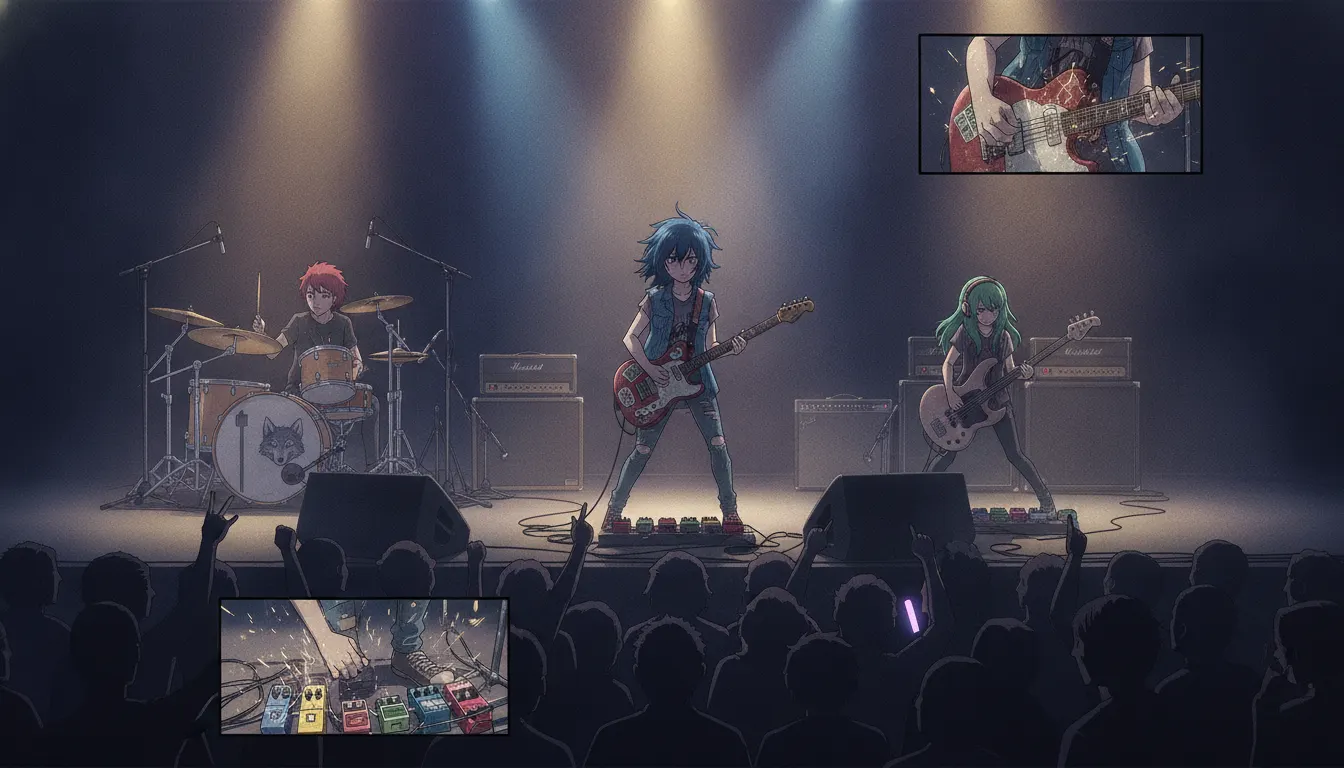
Guitars, pedal boards, and venue PA systems rendered with equipment-specific detail signaling genuine subcultural knowledge rather than prop-level approximation
Protagonist designs that begin visually unremarkable, with visual interest developing as musical identity matures -- inverting the anime convention of strong immediate design impact
Small venue stages with basic colored gel lighting on minimal rigs, sweat-soaked performers, and crowd energy communicated through bodies in motion rather than faces
Band shirts, jackets, and shoes rendered with wear-marks, fading, and texture that signal secondhand or well-loved objects rather than costume-fresh appearance
Backgrounds and character wardrobes populated with real band references, venue posters, and equipment brands that reward subcultural knowledge with recognition
BECK: Mongolian Chop Squad (2004-2005, animated by Madhouse, adapting Harold Sakuishi's manga) remains the most critically respected music anime for its uncompromising portrayal of a teenage rock band's artistic development. The series established a visual grammar for music anime that prioritizes authenticity over spectacle: grunge-aesthetic character design, real instrument rendering, and a visual approach to musical performance that communicates what the music feels like without showing it literally.
BECK's character designs are deliberately un-glamorous by anime standards. Characters wear worn band shirts, secondhand jackets, and scuffed shoes. Protagonist Yukio 'Koyuki' Tanaka starts the series with deliberately unremarkable design -- he only becomes visually interesting as his musical identity develops. This grounding in realistic imperfection distinguishes BECK from idol anime's polished performance aesthetic.
BECK's most praised quality is its detailed rendering of musical equipment: guitars (the series features fictional axes modeled on specific Fender and Gibson designs), pedal boards, drumkits, and venue PA systems are drawn with enthusiast-level precision. This specificity signals a commitment to the culture's material reality rather than using instruments as props. The manga's creator Harold Sakuishi is a documented guitar enthusiast, and this knowledge transferred to the visual production.
BECK's most famous technique is the deliberate absence of music during climactic performance sequences. Where most music anime would play the band's songs, BECK often depicts crowd reactions, character close-ups, and abstract visual responses to music rather than the music itself. This forces the audience to project their own musical ideal onto the performances, creating a more powerful emotional effect than any actual song might.
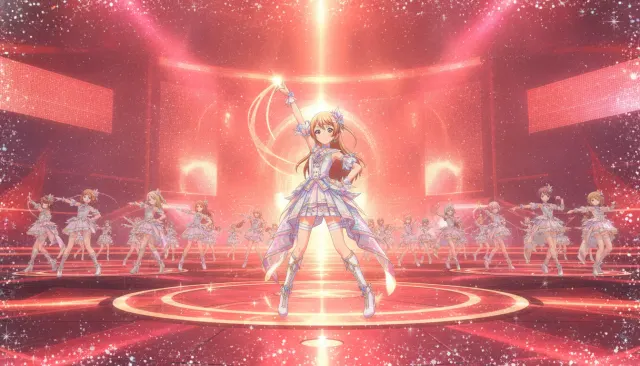
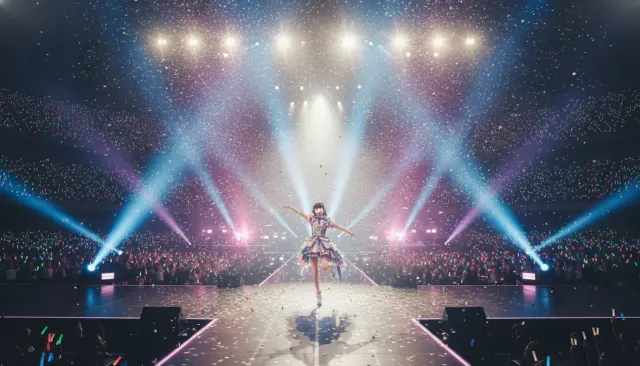
BECK established the visual grammar for live music venues in anime: cramped club stages with colored gels on basic lighting rigs, sweat-soaked performers, crowd energy shown through bodies rather than individual reactions. Later music anime including Nana (2006), Given (2019), and Bocchi the Rock! (2022) all inherit this grounded venue aesthetic as opposed to the arena-scale idol anime performance.
Madhouse / Harold Sakuishi · 2004
Defining music anime with the authenticity standard and sound absence technique that all subsequent music anime must reference
Madhouse / Ai Yazawa · 2006
Josei-demographic music anime with punk rock and visual kei band aesthetics alongside romantic drama
CloverWorks / Aki Hamaji · 2022
Contemporary music anime inheriting BECK's club venue realism with a social anxiety protagonist and innovative abstract visualization sequences
Lerche / Natsuki Kizu · 2019
BL-adjacent indie rock music anime with BECK-influenced gear rendering and small venue atmospheric grounding
MAPPA / Shinichiro Watanabe / Yuki Kodama · 2012
Jazz-era coming-of-age with Watanabe's music direction and MAPPA's instrument-session animation quality
MAPPA / Shinichiro Watanabe · 2019
Futuristic singer-songwriter music anime with live acoustic performance sequences showing Watanabe's ongoing interest in authentic musical portrayal
A Look is not a filter. It is a set of stored decisions the pipeline reads before it makes a single frame, so two videos in the same Look actually match.