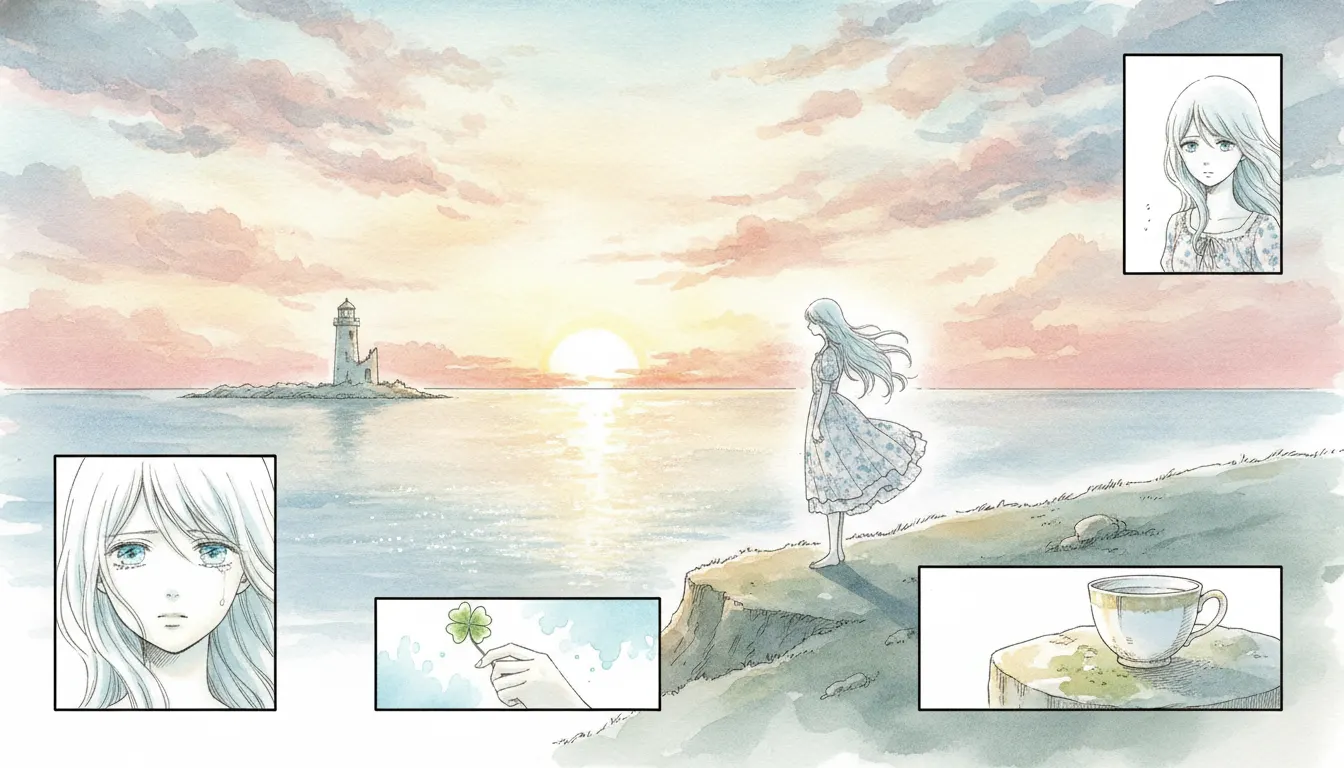
Nana
Ai Yazawa · 2000
Definitive josei manga following two women named Nana through love, music, and adult disappointment
Josei (adult women) manga register (Nana, Honey and Clover, Princess Jellyfish). Softer linework, emotional character close-ups, watercolor wash, quiet panels.
The moves a human crew would use to get here. Cue applies them for you, and knowing their names is how you ask for a change.
Full panels without dialogue or sound effects where facial expression and composition carry the complete emotional content
Smaller, less stylized eyes and more adult body proportions signaling psychological maturity and narrative seriousness
Dusty rose, sage green, and warm ochre tones replace shojo's bright pastels, signaling adult emotional weight through color desaturation
Cooking scenes, commute sequences, and work environments integrated into emotional arcs to anchor character psychology in daily reality
Male characters drawn and written with equal psychological detail to female leads, distinguishing josei from shonen romance's asymmetric characterization
Soft focus and light bloom used only at genuine emotional peaks rather than decoratively, making the effect more meaningful when it appears
Josei is a manga demographic targeting adult women (typically 18-40), published in magazines including Josei Comics, Melody, and Feel Young. Distinguished from shojo (teen girls) by more complex emotional realism, willingness to depict adult relationships in their messy actualities, and a greater tolerance for unresolved or painful outcomes. The aesthetic emerged from the 1970s-80s shojo manga revolution and matured into its own distinct visual and narrative grammar.
Josei manga prioritizes delicate, precise linework over the bold expressionist strokes of shonen or the decorative floral excess of some shojo. Artists like Moyoco Anno (Sakuran, 2001-2003; Hataraki Man, 2004-2008) and Fumi Yoshinaga (What Did You Eat Yesterday?, 2007-present) employ clean realistic proportions with emotional weight carried through subtle facial shifts rather than exaggerated reactions. Eyes are often smaller and more realistic than shojo conventions, emphasizing maturity and psychological interiority.
Color work -- in colored pages and anime adaptations -- tends toward muted, sophisticated tones: dusty roses, sage greens, warm ochres. The softness signals emotional safety but the desaturation signals adult weight. Bloom and soft focus are used sparingly, unlike shojo's frequent use of sparkle and flower overlays. When bloom appears in josei, it marks genuine moments of joy rather than decorative habit.
Josei manga uses silence strategically: panels without dialogue or sound effects, where the artwork carries the full emotional load. White space is a punctuation mark. Anime adaptations like Nana (2006, Madhouse), Chihayafuru (2011-2020, Madhouse), and Kids on the Slope (2012, MAPPA) preserve this breathing room with extended held shots on faces.
Romantic relationships are depicted across time, showing wear, growth, and sometimes failure. Male characters are drawn with as much psychological specificity as female protagonists -- a distinguishing feature from shonen romance. Mundane domestic detail (cooking, commuting, work frustration) grounds emotional climaxes in plausible daily life.
Ai Yazawa · 2000
Definitive josei manga following two women named Nana through love, music, and adult disappointment
Yuki Suetsugu · 2007
Competitive karuta manga with deeply realized emotional relationships across high school and early adulthood
Fumi Yoshinaga · 2007
Quiet slice-of-life manga about a gay couple whose relationship is revealed through weekly cooking routines
Moyoco Anno · 2001
Edo-period courtesan story with striking stylized artwork and female interiority at the center
Yuki Kodama / MAPPA (anime 2012) · 2007
Coming-of-age jazz-era story with achingly precise emotional pacing adapted by Shinichiro Watanabe
Moyoco Anno · 2004
Magazine editor protagonist navigating work identity and gender expectations with Anno's precise linework
A Look is not a filter. It is a set of stored decisions the pipeline reads before it makes a single frame, so two videos in the same Look actually match.
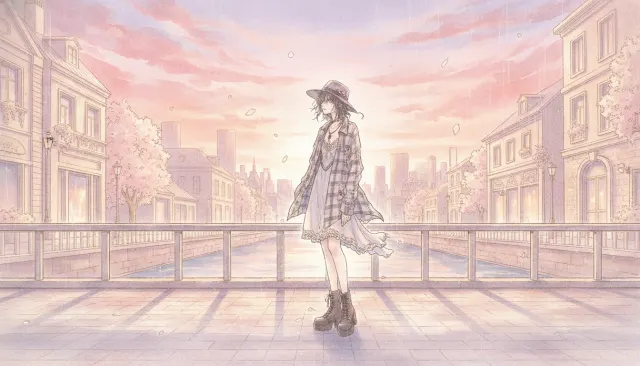 Manga SubtypesShojo Josei Adult Romance Pastel
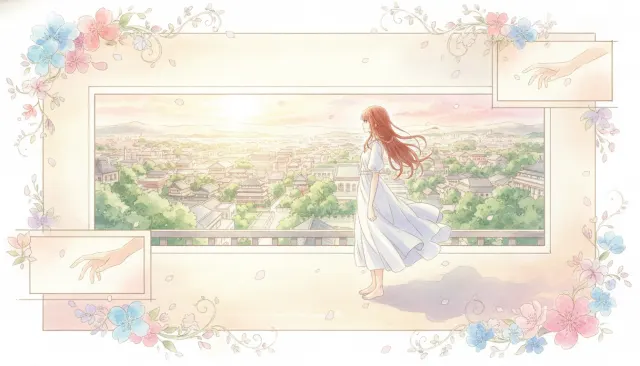 Subgenre Romance ComedyModern Shojo Romance Pastel Uniform
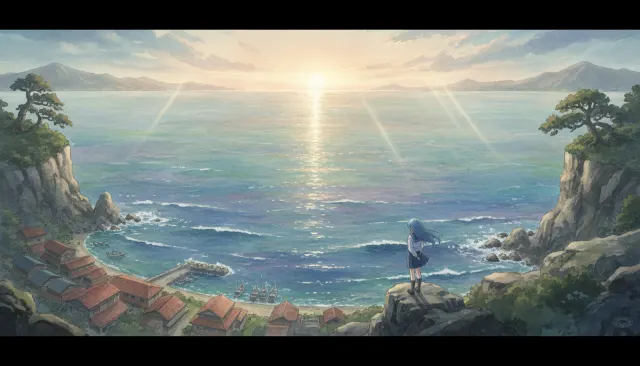 Studio Aesthetic ExpandedPA Works Nagi no Asukara Watercolor
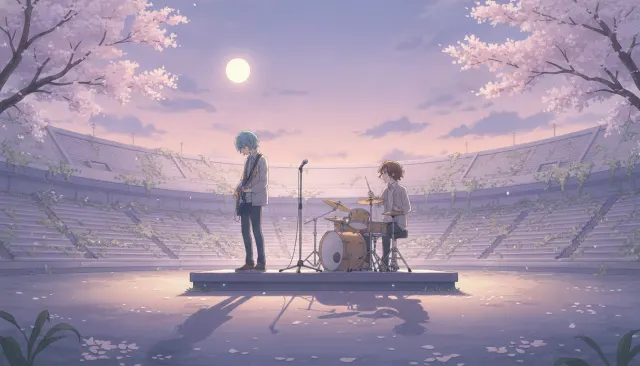 Subgenre Romance ComedyBL Shounen-Ai Light Pastel
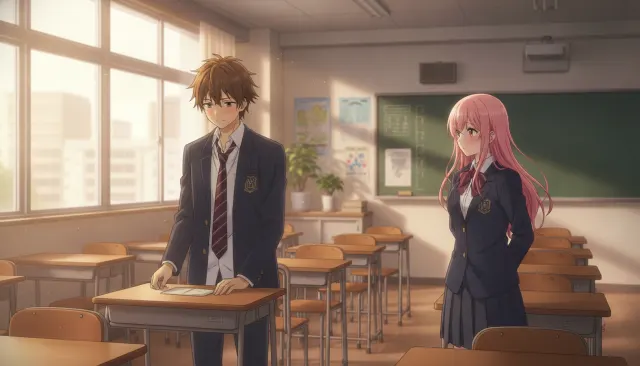 Subgenre Romance ComedySchool Romance Classroom Anime
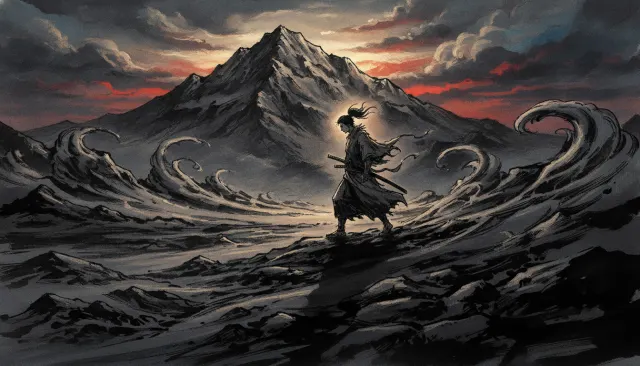 90S Manga AestheticsVagabond Inoue Brush Stroke Manga