K-On!
Kyoto Animation / Kakifly / Naoko Yamada · 2009
Originating series defining the warm pastel slice-of-life visual grammar for the following decade
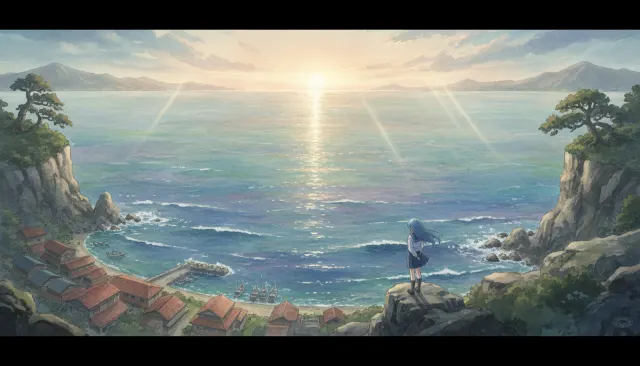
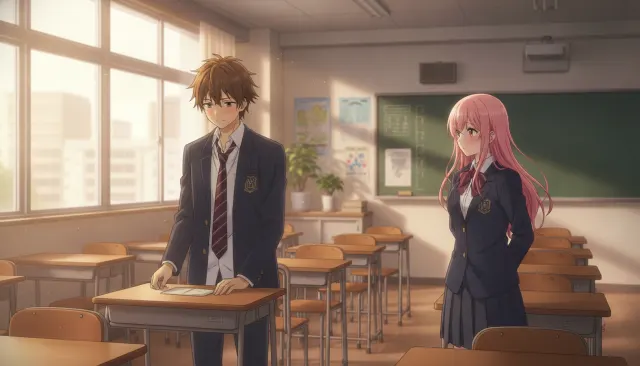
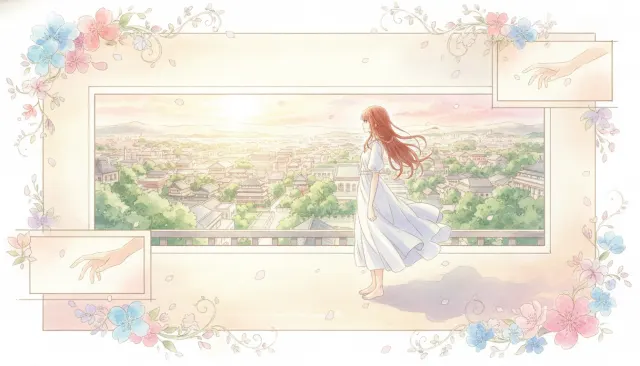
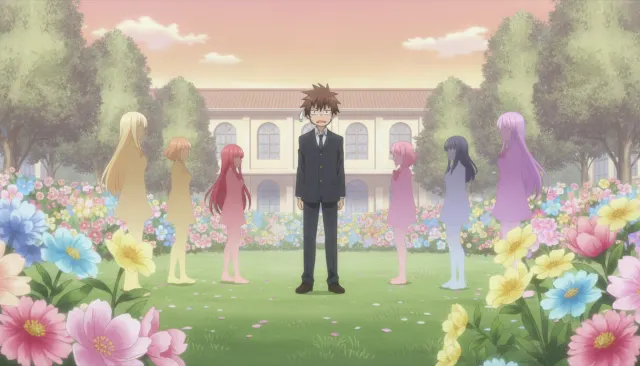
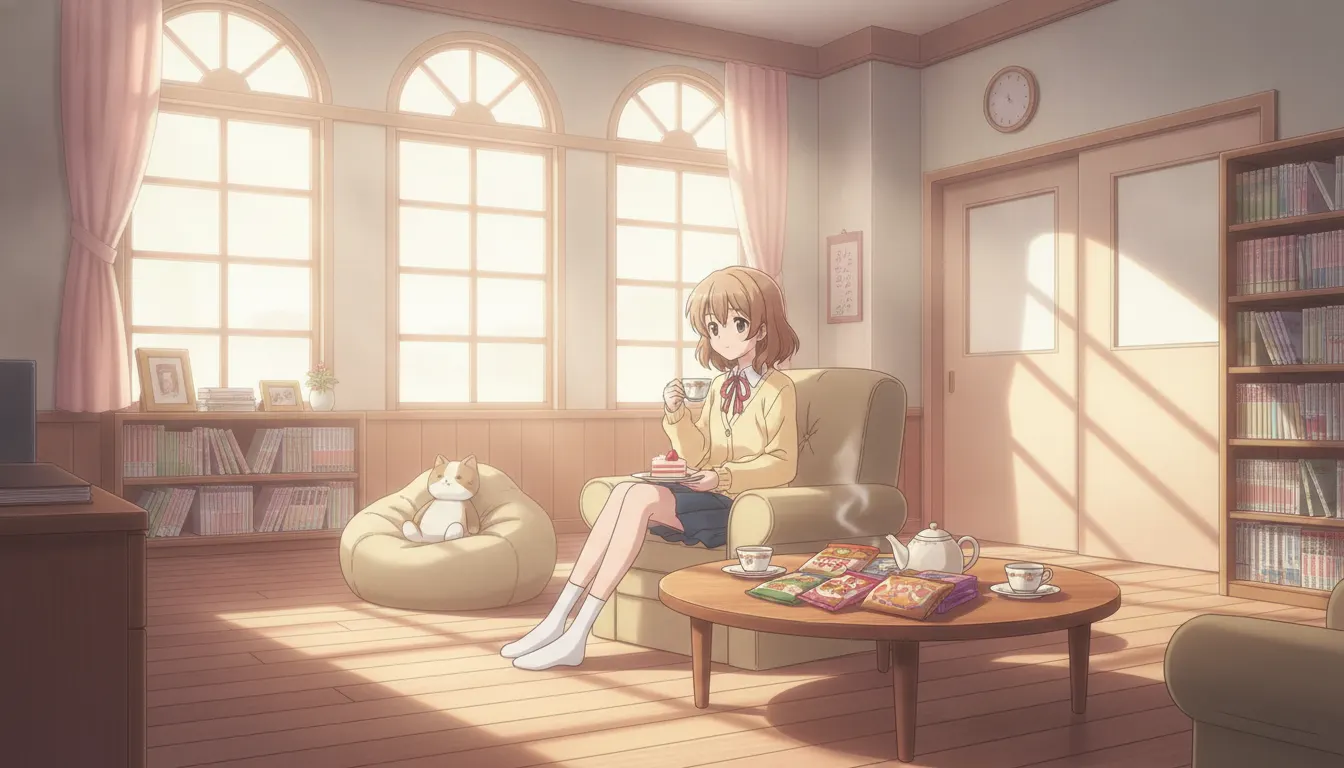
K-On / Lucky Star / Nichijou slice-of-life pastel register. Soft warm school-life palette, calm rooms, snack and tea moments, no conflict.
The moves a human crew would use to get here. Cue applies them for you, and knowing their names is how you ask for a change.
Warm amber afternoon light diffused through thin curtains in the music club room -- the series' most identifiable and imitated environmental lighting technique
Extraordinary animation care applied to non-dramatic actions: finger placement on guitar frets, fluid tea pours, soft hand gestures -- elevating everyday moments
A color architecture based on warm creams, dusty roses, soft sky blues, and slightly warm skin tones that creates an enclosing sense of emotional safety
Cardigans, leg warmers, and seasonal accessories added to uniforms as time-passage markers and signals of character intimacy and growth
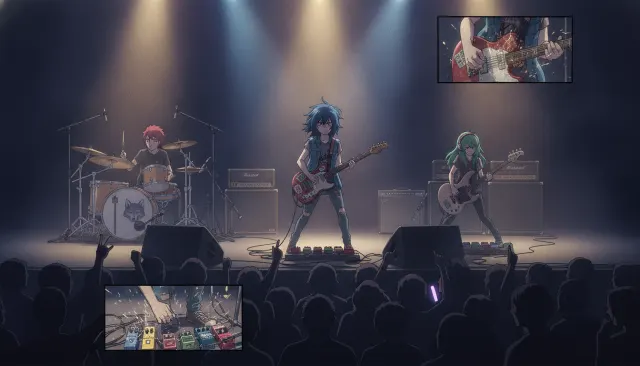
Deliberately careful animation quality in concert/performance sequences contrasted against casual everyday quality, making peaks feel genuinely earned
Club room, kitchen, and school hallway as recurring comfort spaces shot with consistent warm framing that signals home and safety
K-On! (2009-2010, with Season 2 in 2010 and the film in 2011) was produced by Kyoto Animation under director Naoko Yamada and character designer Yukiko Hiro, adapting Kakifly's four-panel manga. It became the defining work of moe slice-of-life anime and established a visual template -- warm pastels, domestic intimacy, and extraordinary attention to mundane detail -- that influenced a generation of productions and the broader aesthetic category now called 'iyashikei' (healing anime).
Kyoto Animation applied its signature animation quality to material that seemed to not require it: club room conversations, cake eating, school hallways. The result was a demonstration that animation excellence operates independently of dramatic stakes. Characters' fingers move individually when playing guitar chords. Tea pours with correct fluid dynamics. These choices signal respect for the mundane as worthy of artistic attention.
K-On!'s palette is constructed around warm creams, dusty roses, and soft sky blues. Skin tones are slightly warm, never cold. The school's music club room -- all warm wood, afternoon sunlight, and the girls' instruments -- functions as a recurring comfort space, and its lighting palette (golden hour through thin curtains) became the series' most-referenced visual shorthand. This specific quality of light -- warm, slightly diffused, unhurried -- defines the K-On! aesthetic.
Yukiko Hiro's character designs emphasize rounded, soft faces with large luminous eyes. Yui's unfocused enthusiasm, Mio's anxious expressiveness, Mugi's gentle smile -- each character's emotional identity is legible frame by frame. Uniform designs are used as soft character canvases: seasonal additions (cardigans, leg warmers) track time passing and signal intimacy.
Performance sequences -- notably the season finales and the film's After School Tea Time set -- are animated with technical precision that contrasts with the series' otherwise casual visual rhythm. This dynamic between careful-mundane and carefully-animated-peak creates emotional contrast that makes the performances feel genuinely climactic.
Kyoto Animation / Kakifly / Naoko Yamada · 2009
Originating series defining the warm pastel slice-of-life visual grammar for the following decade
Kyoto Animation / Naoko Yamada · 2010
26-episode expansion with the most refined version of the club-room-afternoon-light aesthetic
Kyoto Animation / Naoko Yamada · 2011
London-set theatrical extension showcasing how the aesthetic translates outside its home environment
Kinema Citrus / Komata Mikami · 2013
Direct aesthetic successor applying K-On!'s warm slice-of-life grammar to a data processing club
Silver Link / Atto · 2013
Rural expansion of the iyashikei pastel aesthetic with KyoAni-influenced attention to environmental light
Kyoto Animation / Ayano Takeda · 2015
Same studio, more dramatic music-club narrative that shares K-On!'s commitment to instrument and performance detail
A Look is not a filter. It is a set of stored decisions the pipeline reads before it makes a single frame, so two videos in the same Look actually match.