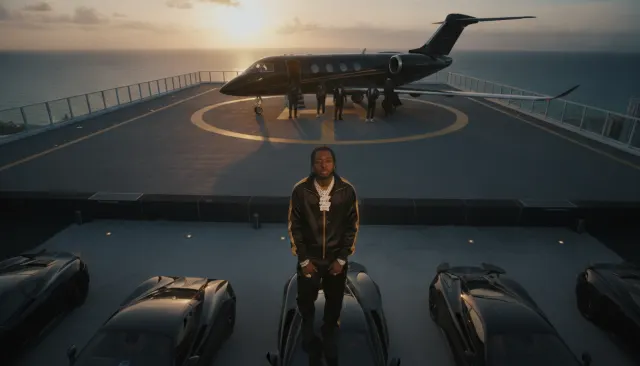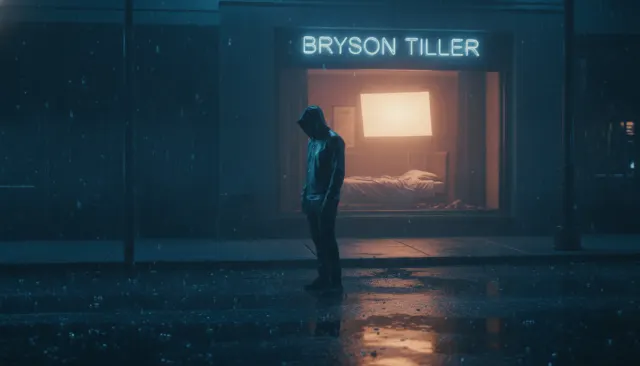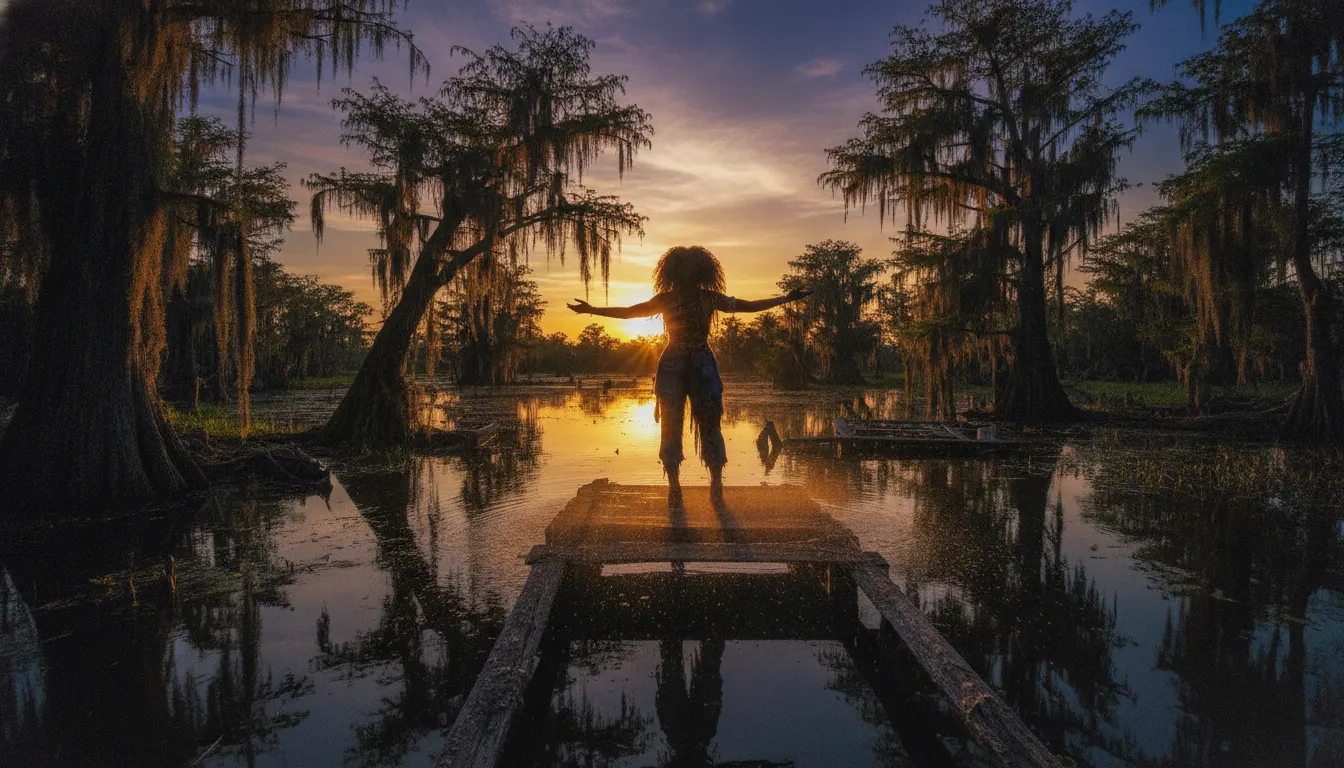
Beyoncé, 'Formation' dir. Melina Matsoukas, dp Bradford Young
2016
the defining work
Melina Matsoukas bold MV. Beyonce Formation Louisiana symbolism, Rihanna We Found Love kinetic, saturated cinematic-doc hybrid, political punch.
The moves a human crew would use to get here. Cue applies them for you, and knowing their names is how you ask for a change.
style compositional approach: groups arranged in heraldic, complete-image formations readable as stills
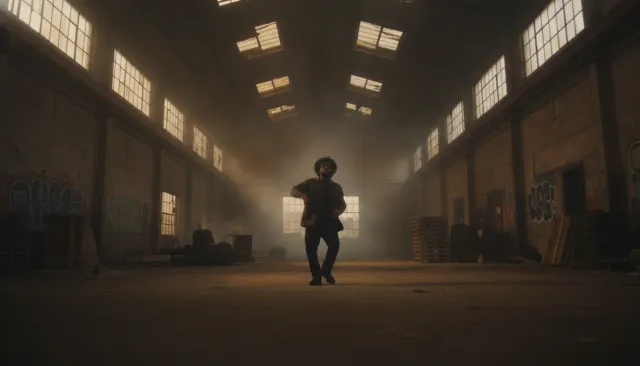
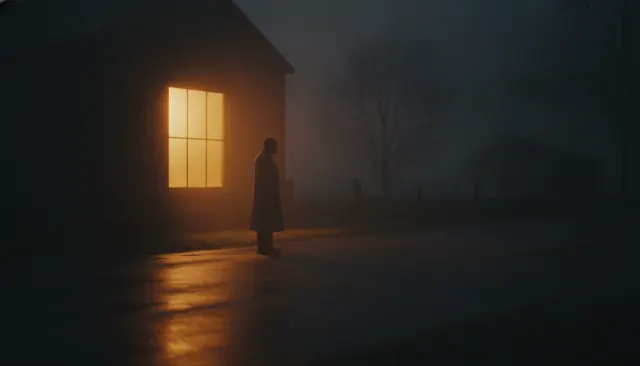
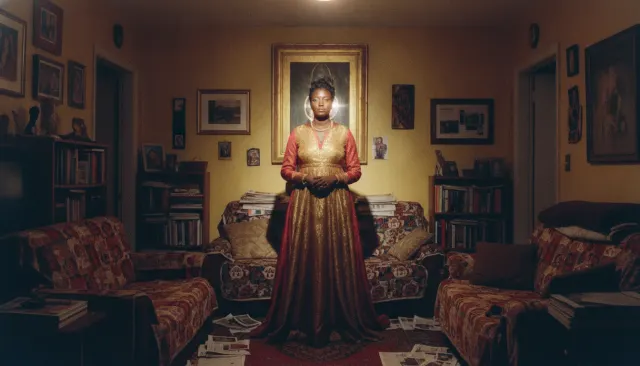
deep warm shadow, Brown-amber skintone rendering, indirect Southern light
historical photography, archival footage, specific community imagery as primary material
team and drill team formations as choreographic reference - the body as cultural statement
judgmental camera gaze: the lens documents without editorial condemnation or celebration
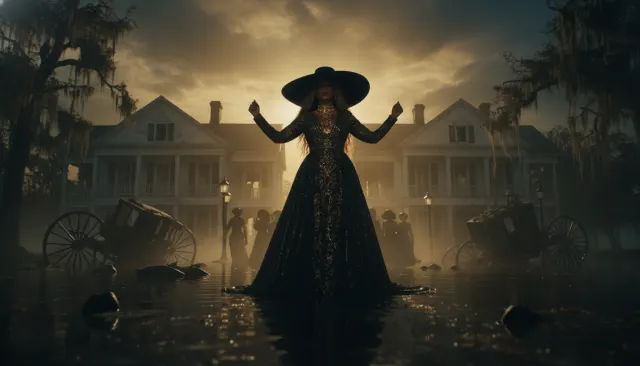
specific symbolic locations: the flooded shotgun house, the plantation, the beauty parlor, the church
Melina Matsoukas is one of the defining directorial voices in contemporary music video and television, and her aesthetic is inseparable from her political and cultural commitments: a visual practice that centers Black women, asserts cultural pride, and uses the full vocabulary of cinematic composition, color, and symbolism as instruments of representation and argument.
Beyoncé's "Formation" (dir. Melina Matsoukas, 2016) is the most analyzed American music video of the decade - a densely layered visual text that operates simultaneously as personal narrative, Black Southern cultural archive, protest document, and aesthetic manifesto. Released on February 6, 2016 - the day before Beyoncé's Super Bowl 50 performance, one year after the formation of Black Lives Matter as a nationally visible movement - the video's timing was as deliberate as its imagery.
The visual architecture is built on tableau-style compositions: groups of Black people arranged in deliberate, almost heraldic formations that invoke both the choreographic tradition of historically Black colleges and universities (HBCU step teams) and the tradition of formal portraiture in Western painting. Individual shots are constructed as complete images rather than fragments in an edit - they can be isolated as stills and contain their meaning independently.
Key visual sequences: the New Orleans shotgun house submerged in floodwater with Beyoncé atop a police cruiser (invoking Hurricane Katrina and police violence simultaneously); the Black Panther Party-costumed dancers in front of a row of police officers; the archival Black Southern domestic imagery (dinner tables, church fans, beauty parlors). These sequences draw on Bradford Young's cinematography - his signature: deep, warm shadow, skin tones rendered in brown-amber rather than neutralized, the specific quality of indirect Southern light.
Matsoukas' earlier work with Rihanna - "We Found Love" (2011), shot in Scotland - used a different but related toolkit: handheld urgency, color-graded to a dreamlike saturation, with a narrative of toxic romantic obsession rendered with the same non-judgmental camera gaze that Matsoukas brings to all her subjects. The visual energy is kinetic rather than tableau - the camera participates in the intoxication of the relationship it documents.
Matsoukas' work as director and executive producer on Insecure (HBO, 2016-2021) applied her visual intelligence to Black middle-class Los Angeles life - a milieu rarely depicted with the visual care she brought to it. The color palette for Insecure (warm, saturated, LA afternoon light) became a reference for a specific contemporary Black American lifestyle aesthetic.
2016
the defining work
2011
Scotland, kinetic intoxication
early Matsoukas kinetic style
2013
visual comparison point for the Formation contrast
Black LA lifestyle aesthetic
2012
Capetown, color-saturated tableau
2013
afrofuturist visual comparison
2019
expanded cinematic vision
A Look is not a filter. It is a set of stored decisions the pipeline reads before it makes a single frame, so two videos in the same Look actually match.