Mailchimp
2018 rebrand (Collins + Jessica Hische): wordmark and identity system
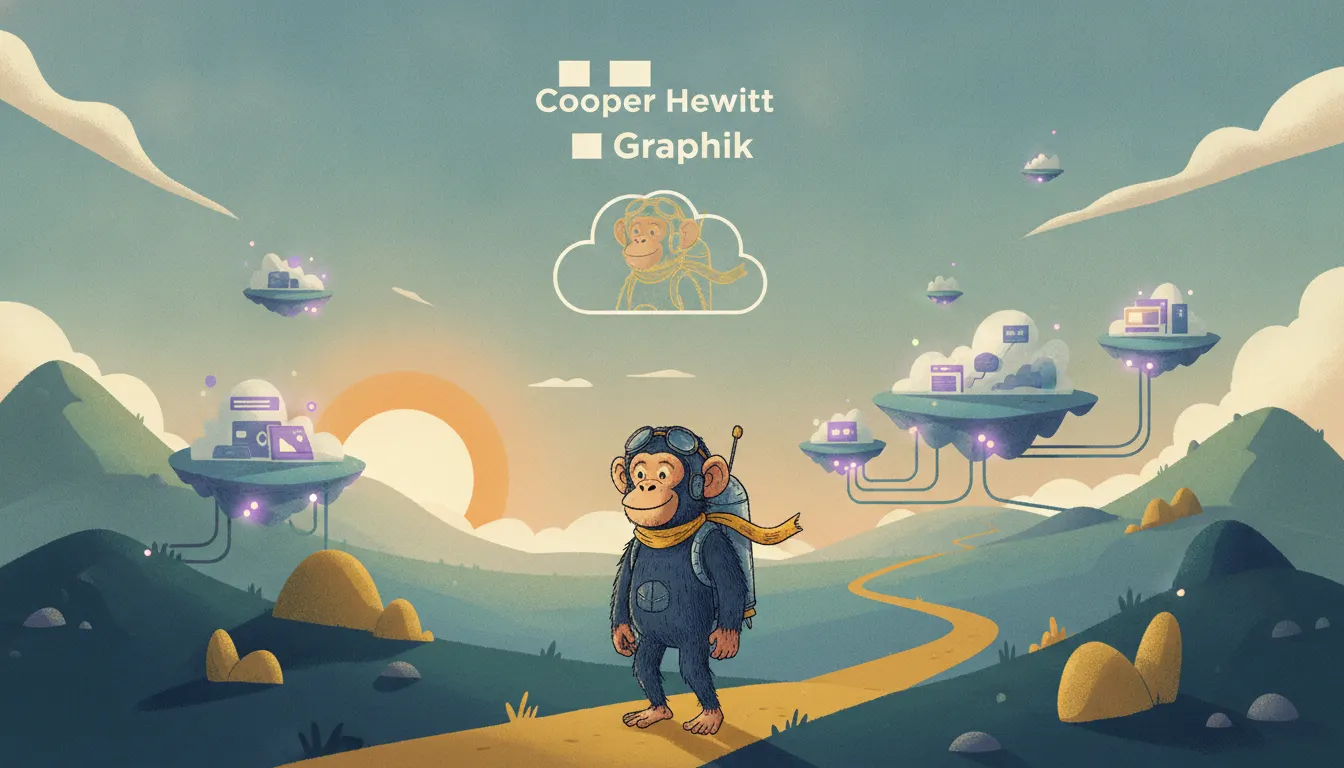
Mailchimp friendly illustrated brand aesthetic. Cooper Hewitt headline + Graphik body, hand-drawn chimp mascot, mustard accent, quirky illustrated SaaS identity.
The moves a human crew would use to get here. Cue applies them for you, and knowing their names is how you ask for a change.
4 color) palette per piece
varied skin tones, body types, and contexts built into the illustration system
serif supporting typeface set generously for readability
Mailchimp's illustrated brand aesthetic, developed primarily through the 2018 rebrand, represents a landmark case study in building a distinctive visual identity for a mass-market SaaS product using illustration, custom typography, and a deliberately non-corporate palette. It shifted the visual language of email marketing software - historically dominated by screenshots and stock photography - toward something closer to an independent magazine or cultural institution.
Mailchimp had been building toward a distinctive visual identity throughout the 2010s, but the 2018 rebrand, developed with design firm Collins and lettering artist Jessica Hische, crystallized the look. Hische redesigned the Mailchimp logo wordmark into a custom script lettering that reads as simultaneously handmade and authoritative. The rebrand also introduced a bold yellow-and-black palette (Cavendish Yellow, a specific Pantone warm yellow, against near-black), which gave Mailchimp an immediately recognizable identity distinct from the blue-heavy software sector.
Mailchimp developed an extensive illustration library using a flat, editorial style with slightly irregular geometric forms suggesting handcraft without being literally hand-drawn. The illustration system uses limited color (typically three to four colors per piece, anchored to the yellow-black brand palette), bold outlines, and characters designed with inclusive representation across skin tones, body types, and contexts. The style was partly inspired by mid-century advertising illustration and editorial cartoons, giving it a warm analog quality incongruous with the fintech SaaS category - strategically so.
Mailchimp's chimpanzee mascot Freddie predates the rebrand, but the 2018 work refined his expression and posture into a confident, slightly irreverent character. His wink became the brand's default greeting. The combination of a chimpanzee mascot with serious small-business utility software broke category conventions deliberately.
The Cavendish Yellow and near-black palette, combined with Hische's script wordmark and a grotesque supporting typeface (Cooper Hewitt, later replaced by custom variants), created a visual voice described internally as 'sophisticated, warm, and slightly absurd.' The combination targeted the ambitious small business owner who wanted to feel like a creative professional rather than an enterprise software user.
Mailchimp's rebrand accelerated a trend already underway: SaaS companies hiring illustrators and type designers rather than relying on generic UI screenshots and stock photography. Basecamp, Notion, Slack, and dozens of later SaaS brands developed illustrated identities in the 2018-2023 period, with Mailchimp's work as a direct reference.
2018 rebrand (Collins + Jessica Hische): wordmark and identity system
2018
custom Mailchimp script logotype
2017
Did You Mean Mailchimp campaign : pre-rebrand brand awareness push
Freddie mascot evolution (2001-2018 continuous refinement)
A Look is not a filter. It is a set of stored decisions the pipeline reads before it makes a single frame, so two videos in the same Look actually match.