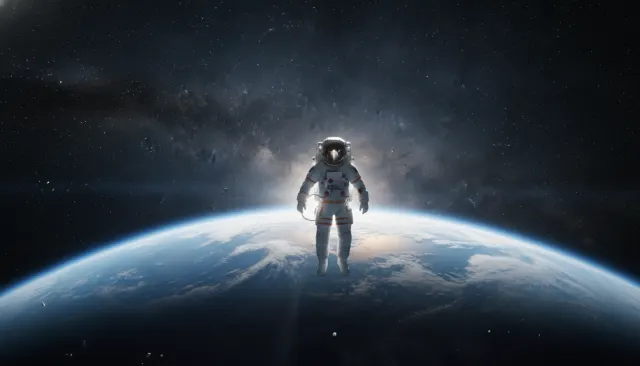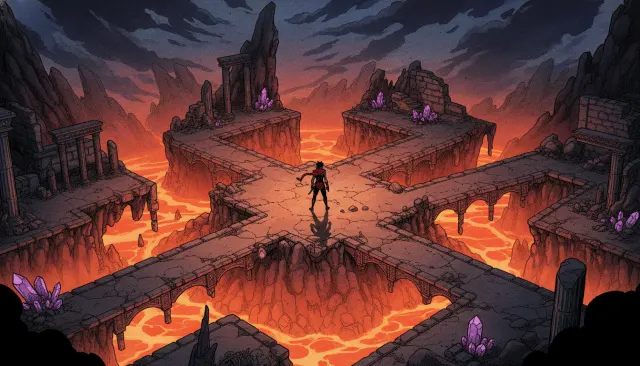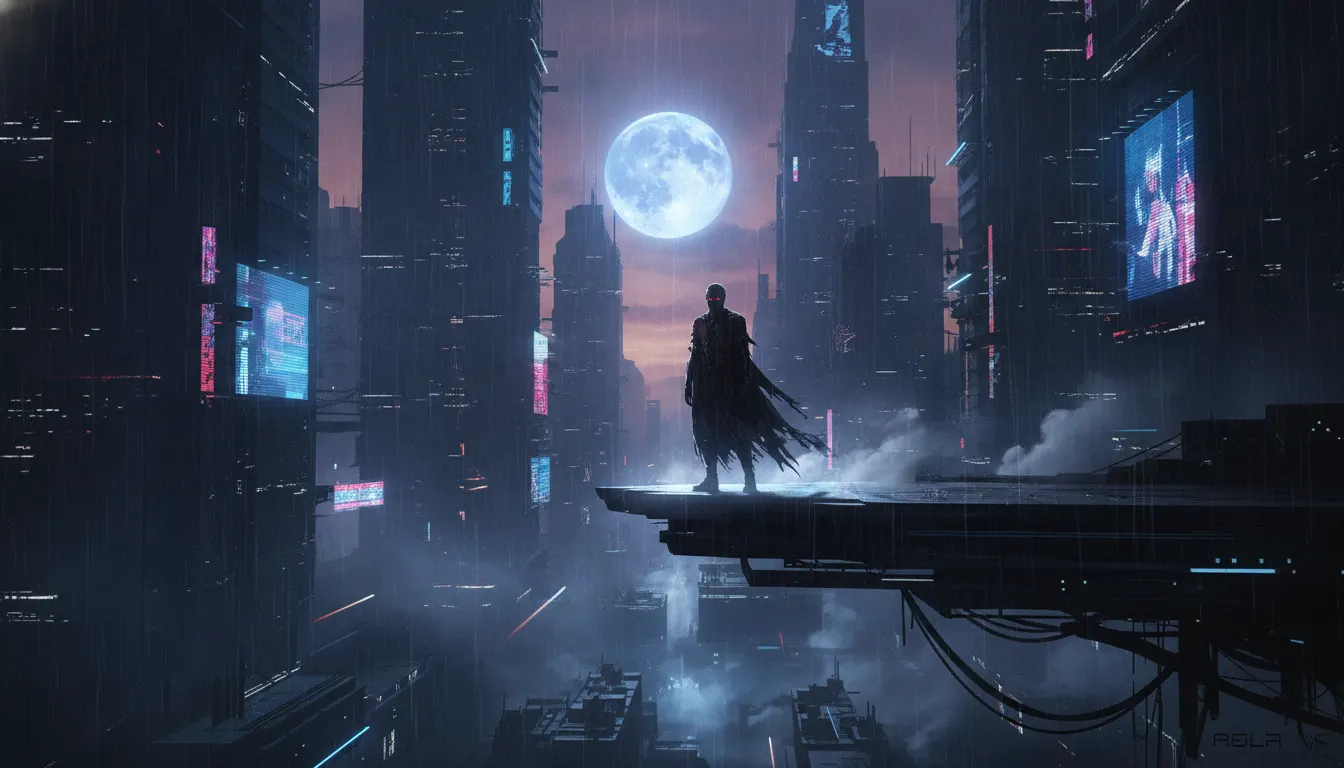
Love, Death & Robots Volume 1
Netflix / Tim Miller / David Fincher / Blur Studio et al. · 2019
18-episode debut covering photorealistic to flat-graphic animation range; Emmy winner for Outstanding Animated Program
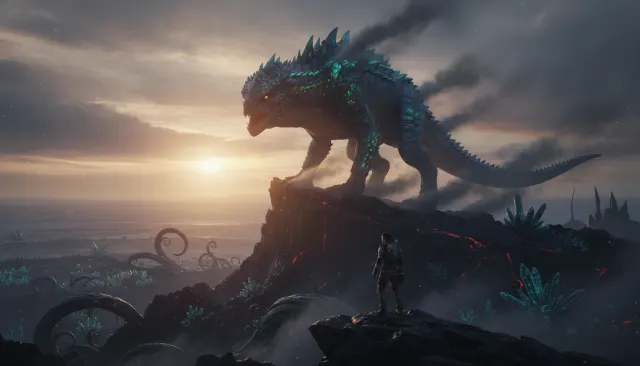
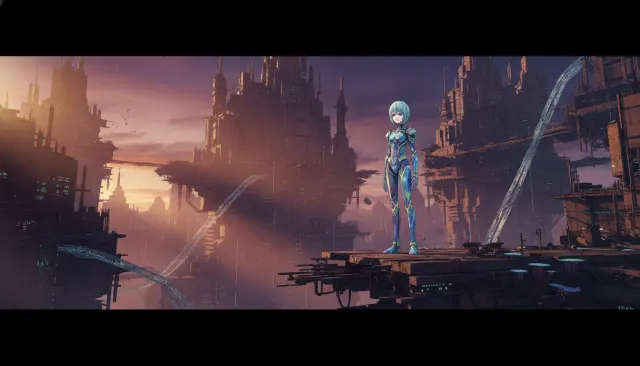
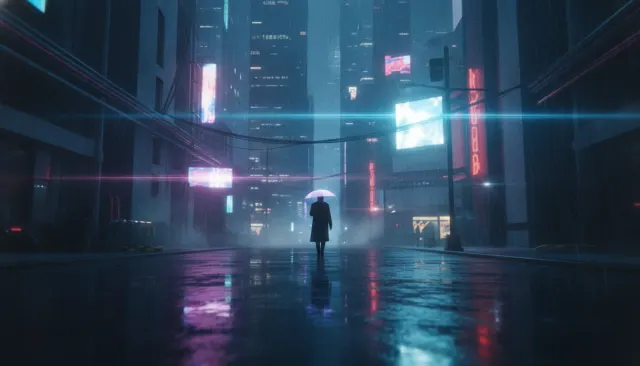
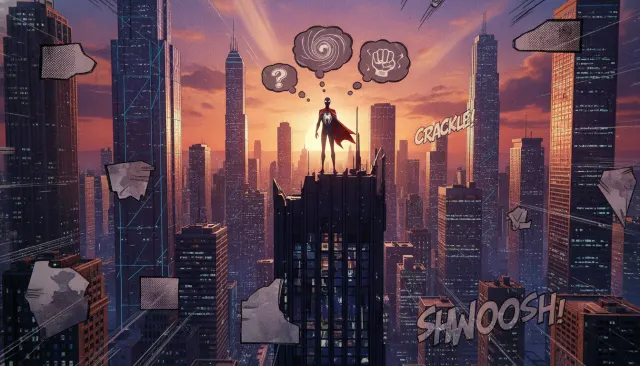
Netflix Love Death Robots animated anthology. Per-episode 3D style swing, hyperreal to stylized cyberpunk, mature short-form.
The moves a human crew would use to get here. Cue applies them for you, and knowing their names is how you ask for a change.
Each episode produced by a different studio with a different style brief, creating a deliberate showcase of the full range of contemporary 3D animation capability
Near-film-quality skin, eye, and facial performance rendering in 'Beyond the Aquila Rift' and 'Bad Travelling' that competes with major studio theatrical VFX
'The Witness' approach: hand-drawn rotoscope passes composited over 3D geometry to create a hybrid that reads as neither pure 2D nor pure 3D
Episodes like 'Pop Squad' using extreme high-contrast noir lighting against stylized character geometry, demonstrating how lighting can define genre register within 3D
5-17 minute episode constraints that force maximum visual efficiency -- each episode's aesthetic must be established and pay off within the short format
The series' explicit content permission enables 3D aesthetic choices (gore, intimacy, moral complexity) that mainstream animation markets gatekeep, expanding the visual vocabulary available
Netflix's Love, Death & Robots (producers Tim Miller and David Fincher, 2019-2022, three volumes) is the most technically diverse animated anthology series in the streaming era. Each episode is produced by a different studio with a different artistic direction, creating a collection of 3D animation styles that spans photorealism, stylized 3D, hybrid live-action-CG, and hand-drawn techniques. The series has become the premier showcase for adult animated short film production globally, with episodes from studios including Blur Studio, Axis Animation, Unit Image, Platige Image, and Passion Animation.
The first volume's 18 episodes covered extraordinary stylistic ground: 'Sonnie's Edge' and 'Beyond the Aquila Rift' by Blur Studio used photoreal near-film-quality character rendering; 'Three Robots' used stylized expressive 3D; 'Good Hunting' used an anime-adjacent illustrated style; 'The Witness' used a hyperreal rotoscope-over-3D hybrid; 'When the Yogurt Took Over' used minimal flat graphic design. This diversity was intentional -- Miller and Fincher built the series as a showcase for the full range of contemporary 3D animation capability.
Blur Studio's episodes -- particularly 'Beyond the Aquila Rift' (2019) and 'Bad Travelling' (2022) -- established a new benchmark for photoreal short film character rendering. 'Bad Travelling' won the Emmy for Outstanding Short Form Animated Program (2023) and is widely cited as the most convincing near-film-quality character CG outside of feature production. The characters' skin, eyes, and facial performance compete with major studio theatrical VFX.
Beyond the photoreal benchmark episodes, Love Death Robots episodes like 'Pop Squad' (Unit Image, 2021), 'Ice Age' (Blur Studio), and 'Automated Customer Service' demonstrate different stylized 3D approaches: neo-noir lighting geometry, retro-future material language, and comedy timing in CG character animation. The anthology format makes the series a living catalog of contemporary stylized 3D production.
The series created a pipeline for short-form adult animated content that bypassed traditional broadcast gatekeepers, influencing how CG studios pitch and develop their own IP. Multiple studios that contributed to Love Death Robots have since greenlit their own productions on the strength of their episode's reception.
Love Death Robots is explicitly conceived as a contemporary heir to Heavy Metal (1981) and Heavy Metal 2000 (2000) -- the adult animated anthology films based on the Heavy Metal magazine that published Moebius, Richard Corben, and Vaughn Bode. Tim Miller has stated directly that seeing Heavy Metal as a teenager was the origin of his desire to make Love Death Robots. The visual DNA runs through both: adult themes given full visual treatment, genre horror and science fiction mixed with erotic content, and the premise that animation is not inherently a children's medium. The series updates this tradition from 2D cel animation to the full range of contemporary 3D.
Volumes 2 and 3 brought in directors from outside Blur Studio's Los Angeles axis: Alberto Mielgo (Spain, 'The Witness'), Gabriele Pennacchioli (Italy, 'Automated Customer Service'), and Piotr Sikora (Poland, Platige Image episodes). This geographic expansion diversified the aesthetic range of the anthology and demonstrated that high-end adult 3D animation could be produced at the required quality level by studios across three continents. The series has become a global calling card for premium 3D short-film production.
Netflix / Tim Miller / David Fincher / Blur Studio et al. · 2019
18-episode debut covering photorealistic to flat-graphic animation range; Emmy winner for Outstanding Animated Program
Netflix / Tim Miller / David Fincher · 2021
8-episode second volume with 'Ice' and 'Pop Squad' among the most visually refined entries in the anthology
Netflix / Tim Miller / David Fincher · 2022
9-episode third volume featuring 'Bad Travelling' (Blur Studio), the series' most acclaimed photoreal benchmark
Blur Studio / Tim Miller · 2019
Photoreal character rendering that established the series' benchmark for near-film-quality short animation
Blur Studio / David Fincher · 2022
Emmy Award Outstanding Short Form Animated Program 2023; widely cited as peak photoreal short film character CG
Passion Animation Studios / Alberto Mielgo · 2019
Rotoscope-over-3D hybrid by the director who later won the Oscar for The Windshield Wiper (2022)
A Look is not a filter. It is a set of stored decisions the pipeline reads before it makes a single frame, so two videos in the same Look actually match.