PUPPET STOP MOTION · CONTEMPORARY · USA

Laika Coraline Spooky Stop Motion

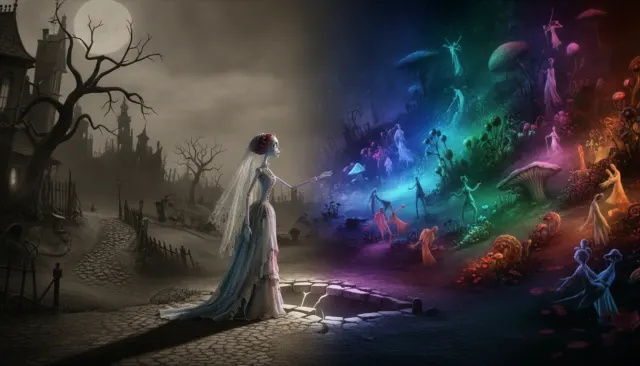
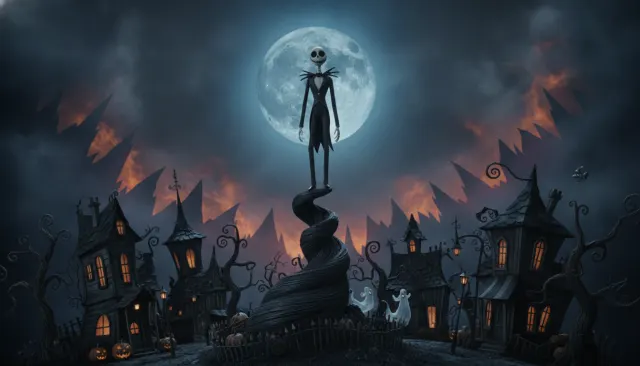
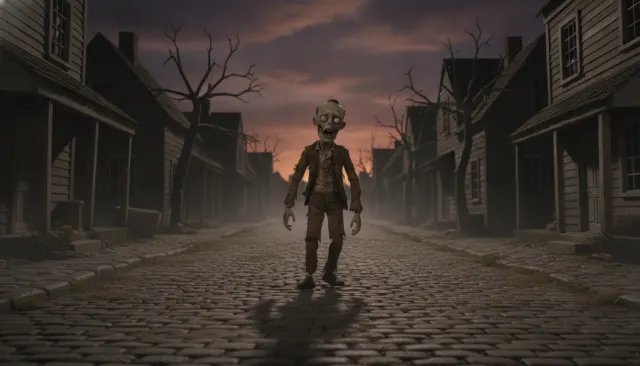
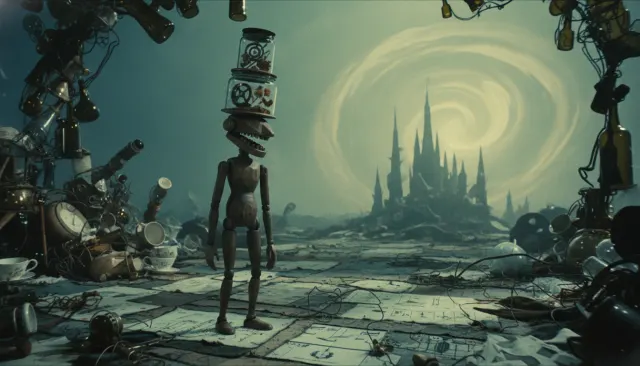
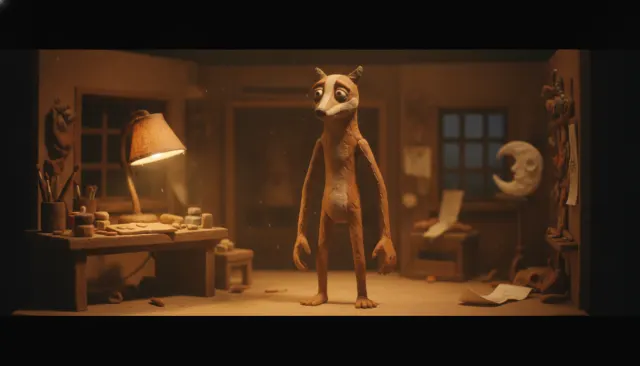
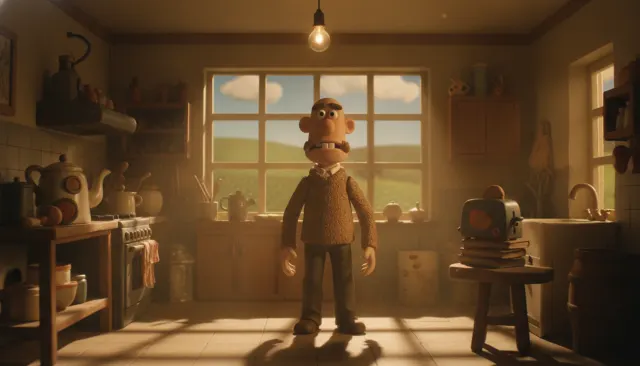
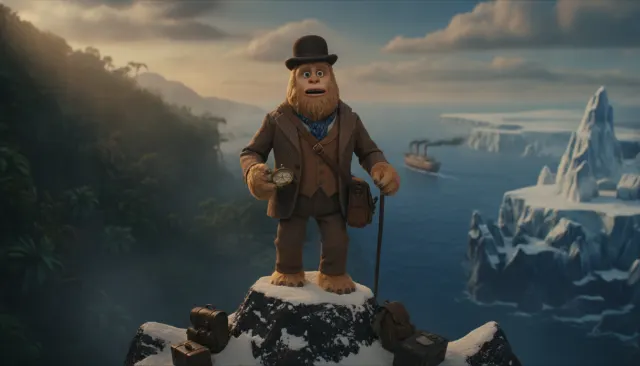
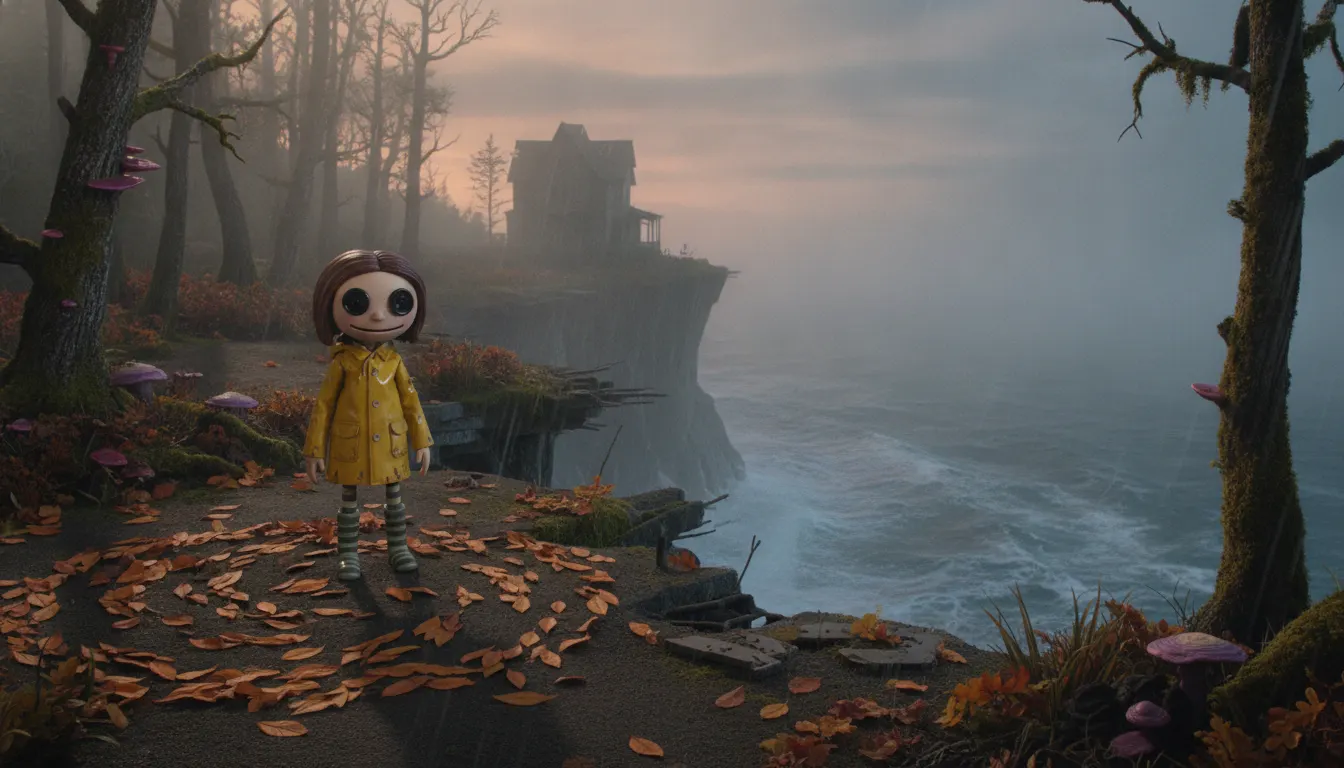
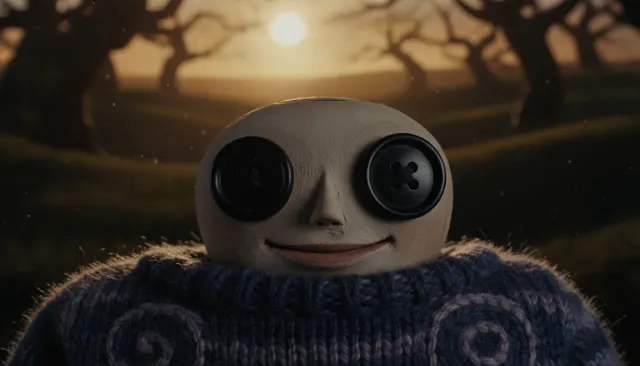
Laika Coraline spooky-storybook puppet stop motion. Button-eye uncanny doubles, autumnal Oregon dread, silicone-skin puppets, replacement-face animation.

stop-motionspookyuncannystorybook
LUT laika-coraline-violet-dread
WHEN TO USE
  • Halloween, gothic, or dark-seasonal brand campaigns across any product category
  • Horror-inflected music videos where handmade materials heighten psychological unease
  • Short films and animations exploring childhood fear, domestic uncanny, or parallel worlds
  • Game trailers for puzzle-horror or narrative horror titles with artisanal art direction
  • Brand films for candles, perfume, antique furniture, or Victorian-aesthetic product lines
  • Podcast and audiobook cover art for horror, gothic fiction, or dark fairy-tale series
  • Editorial photography and fashion work reconstructing Victorian Gothic atmospheres
WHEN NOT TO USE
  • Content targeting young children without clear parental framing - genuinely frightening
  • Upbeat, warm, or aspirational brand campaigns
  • Comedic content; the visual grammar signals dread and undermines comedic tone
  • High-speed commercial work requiring fast turnaround
SIGNATURE TECHNIQUES

How the look is made.

The moves a human crew would use to get here. Cue applies them for you, and knowing their names is how you ask for a change.

  1. 01
    Cool desaturated palette with single

    source practical lighting and deep shadow pools

  2. 02
    Rain and moisture effects applied to exterior miniature sets frame-by-frame
  3. 03
    Arachnid body horror via multi

    jointed elongated puppet armatures

  4. 04
    Visual degradation animation

    sets and puppets decay as the narrative darkens

  5. 05
    Victorian Gothic prop design at 1

    4 scale with peeling wallpaper and cracked plaster

  6. 06
    Button

    eye sewn-shut motif for ghost-children as visual horror signature

  7. 07
    Shadow performance

    deliberate cast shadows used as secondary character animation

HISTORY & CONTEXT

Where it comes from.

Laika Coraline Spooky Stop-Motion

The Spooky Register of Coraline

While the broader Coraline aesthetic encompasses its chromatic world-splitting, the spooky dimension of Henry Selick's 2009 film deserves its own category. This is the atmospheric, horror-inflected register of the work: the Pink Palace Apartments in perpetual Oregon drizzle, the Other Mother's elongated spider-like form, the ghost-children with their button eyes sewn shut, the beldam's terrifying transformation sequence. This specific mood - childhood dread made tactile through handmade materials - is what makes the Coraline spooky look uniquely deployable.

Visual Characteristics

The real-world sections of Coraline establish the spooky baseline. Cinematographer Pete Kozachik shoots the Pink Palace in cool blues, grey-greens, and muddy magentas. Rain streaks the windows. The garden is overgrown. Light comes from a single practical source - a lamp, a crack under a door - leaving deep shadows in the corners of miniature rooms. Puppet characters cast strong, deliberate shadows that animate independently, adding to the sense of things lurking just out of frame.

As the story darkens, the Other World itself turns spooky: the Other Mother stretches into an arachnid form, her button-eyes clicking in sockets, her joints hyperextending. The colour drains from the world as it decays. Black needle fingers. Cobweb-threaded furniture. The visual grammar of Victorian Gothic applied to a miniature scale, where the handmade quality of every surface - the individually laid cobblestones, the hand-painted wallpaper peeling at the edges - amplifies rather than diminishes the dread.

Signature Techniques

  • Cool, desaturated palette with single-source practical lighting for deep shadow pools
  • Rain and moisture effects applied to exterior miniature sets frame-by-frame
  • Arachnid body horror achieved through custom multi-jointed puppet armatures
  • Degradation animation: sets and puppets visually decay as the narrative darkens
  • Victorian Gothic prop design at 1:4 miniature scale - peeling wallpaper, cobwebs, cracked plaster
  • Button-eye horror motif: sewn-shut ghost-children and clicking Other Mother eye sockets
  • Shadow performance: deliberate shadow-casting used as secondary character animation

When to Use

  • Halloween or gothic seasonal content for brands across any category
  • Horror-inflected music videos where handmade tactility heightens unease
  • Short films or animations exploring childhood fear and domestic uncanny
  • Brand films for candles, perfume, antique furniture, or Victorian-aesthetic products
  • Podcast cover art or trailer visuals for horror, gothic fiction, or dark fairy-tale series
  • Game trailers for puzzle-horror or narrative horror titles with a handcrafted art direction
  • Editorial photography reconstructing Victorian horror atmospheres

When Not to Use

  • Any content targeting young children without parental context - the spooky register is genuinely frightening
  • Upbeat, optimistic, or aspirational brand campaigns
  • Comedic content; the visual grammar signals dread and undermines comedic tone
  • Fast-paced commercial work with tight delivery - stop-motion spooky requires measured atmospheric execution

Notable Works

  • Coraline (2009, dir. Henry Selick) - Pink Palace apartment sequences and Other Mother transformation
  • The Nightmare Before Christmas (1993, dir. Henry Selick) - Gothic stop-motion ancestor
  • Corpse Bride (2005, dir. Tim Burton and Mike Johnson) - Victorian underworld atmosphere
  • ParaNorman (2012, Laika) - zombie stop-motion horror in suburban New England
  • The House (2022, Netflix) - three-part anthology pushing stop-motion horror to adult territory
  • Jan Svankmajer's Alice (1988) - Czech surrealist stop-motion nightmare as antecedent
  • Guillermo del Toro productions citing Coraline as visual reference for practical horror craft
NOTABLE WORKS

Where you have seen it.

Coraline (2009, dir. Henry Selick)

Pink Palace and Other Mother transformation scenes

The Nightmare Before Christmas (1993, dir. Henry Selick)

Gothic stop-motion ancestor

Corpse Bride (2005, dir. Tim Burton and Mike Johnson)

Victorian underworld stop-motion

ParaNorman (2012, Laika Studios)

zombie horror in suburban stop-motion New England

The House (2022, Netflix anthology)

adult stop-motion horror in same tradition

Jan Svankmajer's Alice

1988

Czech surrealist stop-motion nightmare as antecedent

Missing Link (2019, Laika)

same puppet pipeline with different (adventure) tone

THE RECIPE

The exact knobs
the renderer turns.

A Look is not a filter. It is a set of stored decisions the pipeline reads before it makes a single frame, so two videos in the same Look actually match.
SettingValue
GradeColour LUT applied to every frame
laika-coraline-violet-dread
TransitionHow one shot becomes the next
hard cuts · 240ms · ease-in-out
Ken BurnsCamera move applied to stills
Slow push · 0.025 · center
TypographyDisplay / body / mono pairing
Cormorant · Lora · Courier
Music moodWhat the bed under the voice sounds like
music-box-minor · theremin-whine
Prompt suffixAppended to every shot prompt in this Look
Laika Coraline puppet stop motion, button-eye uncanny double, autumnal Oregon Pacific Northwest dread, silicone skin puppet, replacement face animation
PALETTE
Primary
#3A2A4A
Secondary
#1A1018
Accent
#E8A05A
Text/Light
#1A0F1F
Text/Dark
#F5DCB8
BG 900
#0A050F
BG 800
#1A0F1F
RELATED LOOKS

Next to it on the shelf.

All Stop Motion →

Your first cut
is on us.

+ New videoFree plan · no card · 1080p export