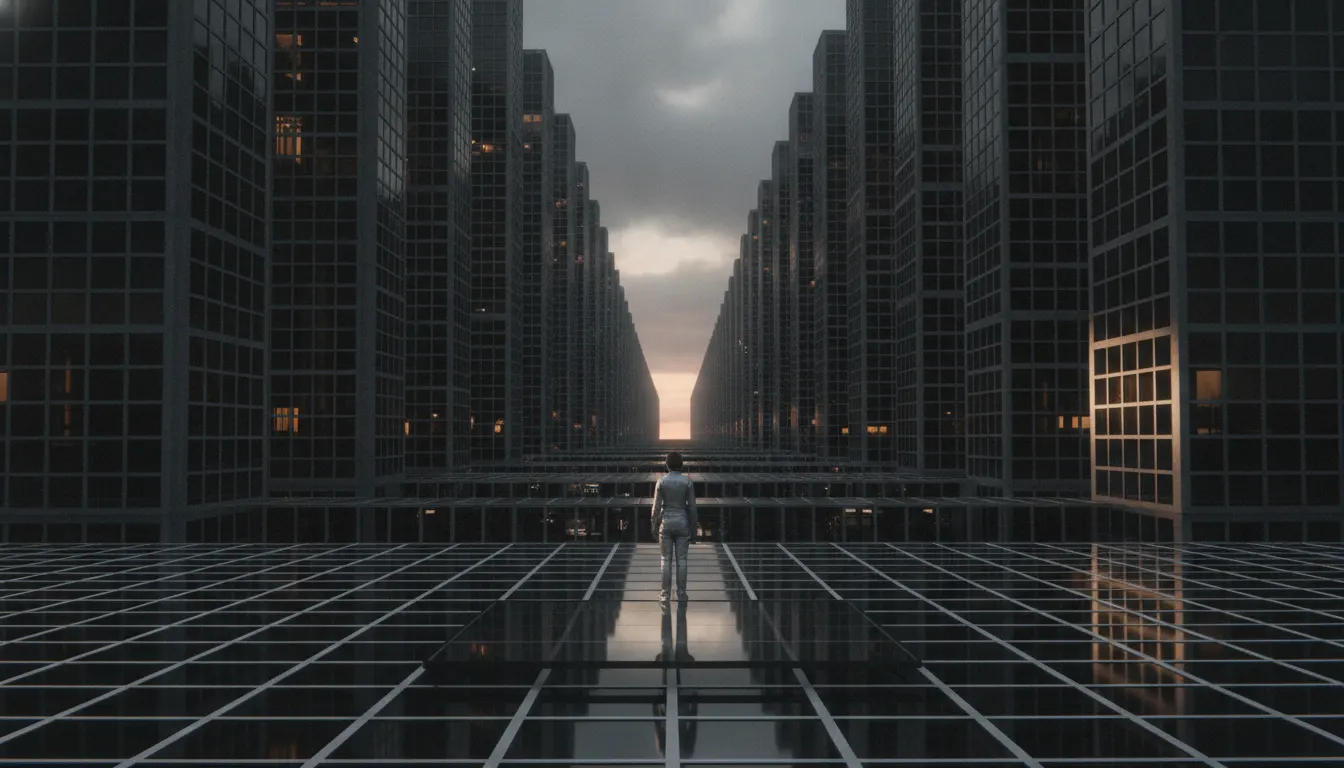
Superstudio
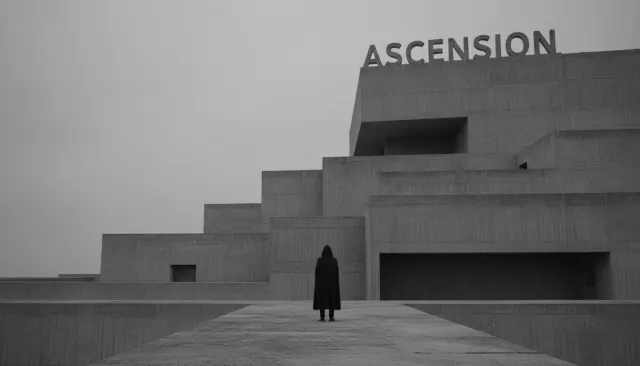
The Continuous Monument (1969-1972): photomontage series
Italian Radical Design. Archizoom and Superstudio utopian-dystopian grids, monolithic CGI-like architecture renderings, anti-design provocation.
The moves a human crew would use to get here. Cue applies them for you, and knowing their names is how you ask for a change.
the unit repeated to absurdity
contrast black-and-white collage combining technical drawing with found imagery
bright primaries, pastels, and black in deliberately non-harmonious combinations
serif typography treated as a spatial element rather than a label
Italian Radical Design was a provocative anti-establishment movement in architecture and design that emerged in Florence in 1966 and lasted roughly until 1978. It rejected the functionalist orthodoxy of mainstream modernism and proposed instead a visionary, often satirical design practice that used exaggeration, pop culture references, and utopian fantasy to critique consumer society.
Two groups formed almost simultaneously in Florence. Archizoom Associati was founded in 1966 by Andrea Branzi, Gilberto Corretti, Paolo Deganello, and Massimo Morozzi. Superstudio was founded the same year by Adolfo Natalini and Cristiano Toraldo di Francia. Both groups were students at the Faculty of Architecture in Florence and were responding to the Superarchitettura exhibition they co-organized that year, which appropriated pop art and consumer imagery for architectural critique.
The Radicals worked in collage, photomontage, and architectural fantasy drawing. Superstudio's Continuous Monument series (1969-1972) proposed a single endless white grid structure covering the entire surface of the earth - a reductio ad absurdum of functionalist planning logic. Their photomontages placed the grid monument over images of the Grand Canyon, Manhattan, and the Alps. Archizoom's No-Stop City (1969-1972) imagined the interior of a city as an undifferentiated climate-controlled grid, endless supermarket meeting endless parking garage.
Radical Design's influence fed directly into the Memphis Group, founded by Ettore Sottsass in Milan in 1981. Sottsass himself had been adjacent to the Radical scene throughout the 1970s. Memphis brought the anti-functionalist visual playfulness into manufactured objects - the Carlton room divider (1981), the Bel Air armchair (1982), Peter Shire's Brasil sofa - using clashing plastic laminates, Memphis patterns (squiggles, polka dots, diagonal stripes), and deliberately anti-ergonomic forms.
The Vienna-based Global Tools network, established in 1973 with Radical Design input, attempted to build an alternative design education system outside the academy. The group's meeting in Cedro in 1975 brought together Branzi, Sottsass, and Ugo La Pietra to discuss craft, body, and tools as counter-cultural design acts. These were essentially utopian experiments that produced more provocative documentation than usable objects, which was fully intended.
The movement was documented and promoted internationally through Casabella magazine (edited by Alessandro Mendini 1970-1976), Domus, and the 1972 MoMA exhibition Italy: The New Domestic Landscape. Its influence extended through postmodern architecture (Rem Koolhaas acknowledged the debt to Superstudio), through the Alchimia and Memphis furniture movements, and into contemporary critical design practice. The Centre Pompidou in Paris and MoMA in New York hold significant Radical Design holdings. Andrea Branzi's writing, particularly The Hot House: Italian New Wave Design (1984), remains the primary theoretical account.
The Continuous Monument (1969-1972): photomontage series
No-Stop City (1969-1972): interior planning diagrams
Carlton room divider, Memphis Group 1981
Domestics animals furniture series, Alchimia 1985
Brasil sofa, Memphis 1982
First chair, Memphis 1983
1972
Italy: The New Domestic Landscape exhibition catalogue
A Look is not a filter. It is a set of stored decisions the pipeline reads before it makes a single frame, so two videos in the same Look actually match.