PAINT ON PHOTO · CONTEMPORARY · INTERNATIONAL
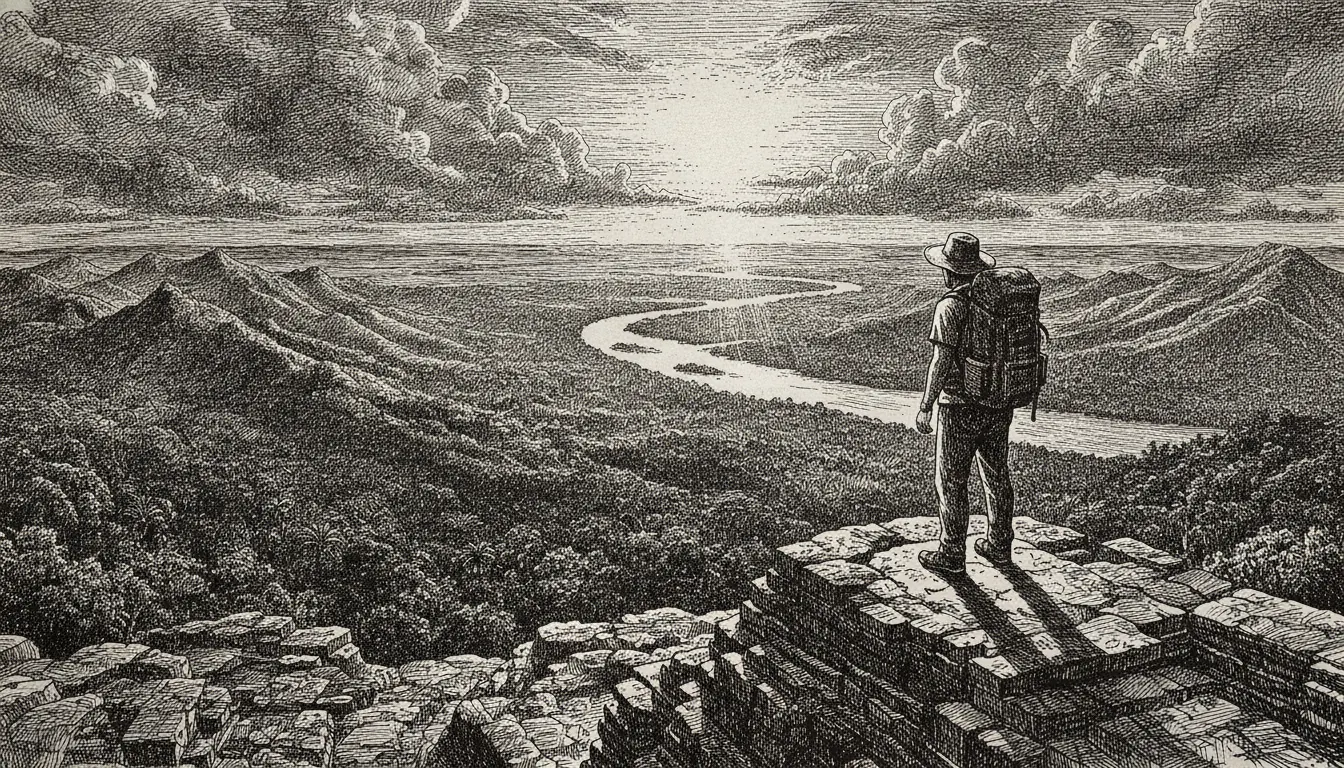
Ink on Photo Cross Hatched Drawing
India-ink cross-hatched drawing over a photographic base. Pen lines built up over photo detail, etching-like density, Ralph Steadman gonzo precision, photograph as under-painting.
inkcross-hatchetchinggonzo
LUT ink-hatch-on-photo
WHEN TO USE
- Political commentary, satire, and editorial content where Steadman's anarchic association is on-brand
- Literary and book-related content especially for countercultural or transgressive texts
- Music and concert content for punk, metal, or alternative genres
- Documentary content about journalism, political figures, or historical events with critical framing
- Brand content for craft beer, spirits, or products positioning themselves against corporate polish
- Personal essay video where hand-drawn augmentation signals subjective interpretation of documentary footage
- Art and illustration channel content showcasing drawing over photography techniques
WHEN NOT TO USE
- Clean, premium, or luxury content where visual chaos undercuts brand positioning
- Child-safe content where aggressive ink splatter may feel threatening
- Scientific or technical content requiring accurate visual representation
- Corporate communications requiring measured professionalism
- High-fashion or beauty content
SIGNATURE TECHNIQUES
How the look is made.
The moves a human crew would use to get here. Cue applies them for you, and knowing their names is how you ask for a change.
- 01Cross
hatch tonal rendering: parallel and perpendicular line groups building tonal areas over photographic sections
- 02Ink splatter application
literal ink drops and flicks overlaid on photograph as Steadman applied them
- 03Contour line retracing
pen lines following photographed edges, simultaneously confirming and distorting form
- 04Hatched shadow addition
cross-hatched shadows added to photographs creating harsher, more dramatic contrast
- 05Text and annotation integration
handwritten notes and editorial comments drawn directly on the photograph
- 06Stippling for texture
dense dot fields applied over photographic areas creating new textural values
- 07Deliberate anatomy distortion
drawn lines beginning at photographic form then deviating into caricature
- 08Ink blot and smear
wet ink deliberately smeared over photographic surfaces as an editorial gesture
HISTORY & CONTEXT
Where it comes from.
Ink on Photo Cross-Hatched Drawing
Ink on photo cross-hatched drawing places the mark-making of pen-and-ink illustration - cross-hatching, stippling, loose gestural lines, splattered and blotted ink - directly over photographic imagery. The resulting hybrid retains photographic detail in some areas while other areas are overdrawn, re-described, or obliterated by ink marks. The photograph becomes a starting point that the hand interrupts, argues with, or extends.
Ralph Steadman and Hunter Thompson
Ralph Steadman (b. 1936) and Hunter S. Thompson's collaboration represents the canonical example of this aesthetic in popular culture. Beginning with their 1970 Kentucky Derby assignment for Scanlan's Monthly and continuing through Fear and Loathing in Las Vegas (Rolling Stone, 1971; book, 1972), Fear and Loathing on the Campaign Trail '72, and beyond, Steadman created illustrations that overlaid photographic reference, newspaper clippings, and print layouts with dense cross-hatching, chaotic ink splatter, and distorted figure drawing.
Steadman's technique is specifically: photographic or printed reference material beneath, pen-and-ink marks applied on top with deliberate aggression. The cross-hatching follows classical engraving logic (parallel lines creating tonal values) but executed with the loose, shaking energy of someone drawing under duress. Ink splatter - literal drops and flicks of ink applied with a wet brush - is a signature element. In Fear and Loathing, the photographs are not literal (Steadman drew the characters) but the relationship between photographic documentation and interpretive drawing marks is thematically central to Gonzo Journalism's entire project.
Cross-Hatching Tradition
Cross-hatching as a tonal technique has roots in European engraving (Albrecht Durer's woodcuts and engravings, 1490s-1520s), etching (Rembrandt, 1620s-1660s), and pen-and-ink illustration (Gustave Dore's engravings, 1850s-1880s). Newspaper and magazine illustration of the late 19th and early 20th centuries relied heavily on cross-hatched pen-and-ink work because the technique reproduced faithfully in relief printing. The introduction of photographic halftone reproduction (1880s+) eventually displaced hand-engraved illustration, but the aesthetic remained culturally associated with intellectual and literary publications.
Contemporary Practice
Contemporary artists and illustrators including David Mack (comics), Sean Murphy (Batman: White Knight, 2017-2018), and editorial illustrators at The New Yorker and New York Times continue the cross-hatching tradition. In mixed-media photography practice, artists photograph subjects then draw over prints - adding figure lines, emotional annotations, or narrative extensions in ink. Instagram-era creators adapted the technique for digital work using Procreate and Apple Pencil to simulate the ink-over-photo effect.
When to Use
- Political commentary, satire, and editorial content where Steadman's anarchic association is on-brand
- Literary and book-related content, especially for countercultural or transgressive texts
- Music and concert content for punk, metal, or alternative genres
- Documentary content about journalism, political figures, or historical events with critical framing
- Art and illustration channel content
- Brand content for craft beer, spirits, or products positioning themselves against corporate polish
- Personal essay video where the hand-drawn augmentation signals subjective interpretation
When Not to Use
- Clean, premium, or luxury content where chaos undercuts brand positioning
- Child-safe content where aggressive ink splatter may feel threatening
- Scientific or technical content requiring accurate visual representation
- Corporate communications requiring professionalism
- High-fashion or beauty content
Signature Techniques
- Cross-hatch tonal rendering: parallel and perpendicular line groups building tonal areas over photographic sections
- Ink splatter application: literal ink drops and flicks overlaid on photograph, as Steadman applied them
- Contour line retracing: pen lines following the edges of photographed subjects, simultaneously confirming and distorting form
- Hatched shadow addition: cross-hatched shadow areas added to photographs to create harsher, more dramatic tonal contrast
- Text and annotation integration: handwritten notes, captions, and editorial comments drawn directly on the photograph surface
- Stippling for texture: dense dot fields applied over photographic areas to create new textural values
- Deliberate anatomy distortion: drawn lines that begin following photographic form then deviate into caricature
- Ink blot and smear: wet ink deliberately smeared over photographic surfaces as an editorial gesture
Notable Works
- Ralph Steadman and Hunter S. Thompson, Fear and Loathing in Las Vegas (Rolling Stone, 1971; book, 1972)
- Ralph Steadman, Kentucky Derby assignment illustrations (Scanlan's Monthly, 1970)
- Ralph Steadman, Fear and Loathing on the Campaign Trail '72 (Rolling Stone, 1972)
- Albrecht Durer, engraving and woodcut works (1490s-1520s) - cross-hatching technique source
- Gustave Dore, engravings for Dante's Inferno and Don Quixote (1850s-1880s)
- David Mack, Kabuki comic series (1994+) - ink over collaged photographic reference
- Gerald Scarfe, political caricature with pen-and-ink distortion (1960s+)
- Rembrandt, etching and drypoint works (1620s-1660s) - foundational cross-hatch tonal modeling
Related Look Slugs
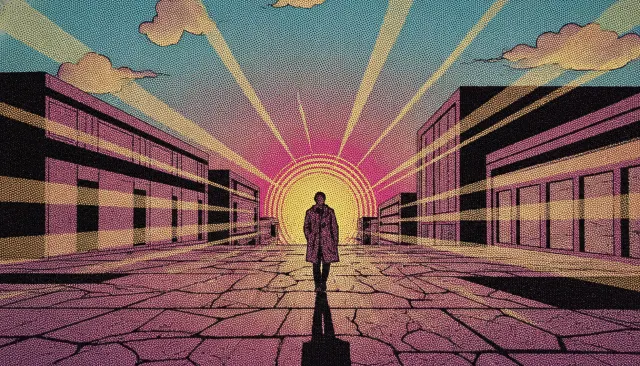
- halftone-comic-print-overlay-on-photo
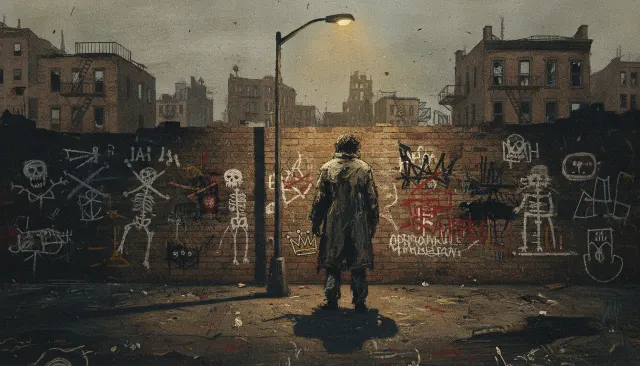
- basquiat-graffiti-neo-expressionism
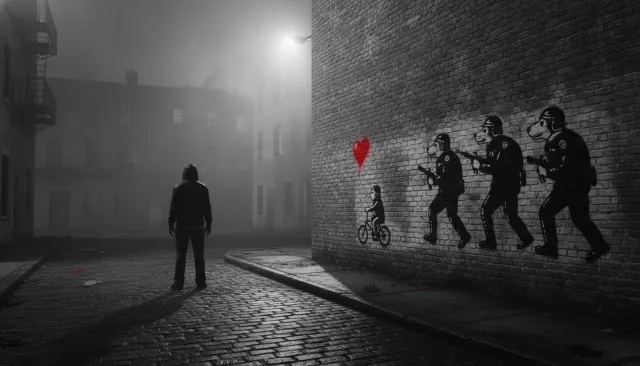
- banksy-stencil-street
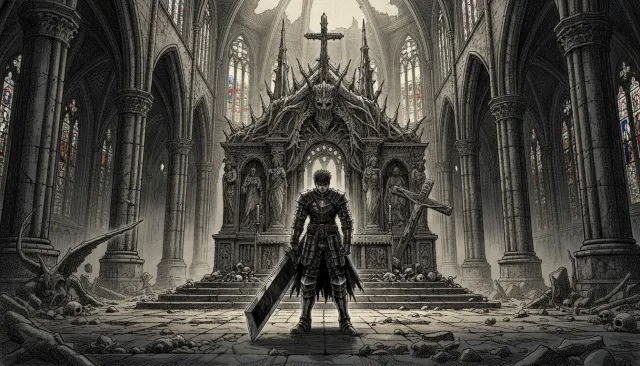
- berserk-dark-fantasy-ink-detail
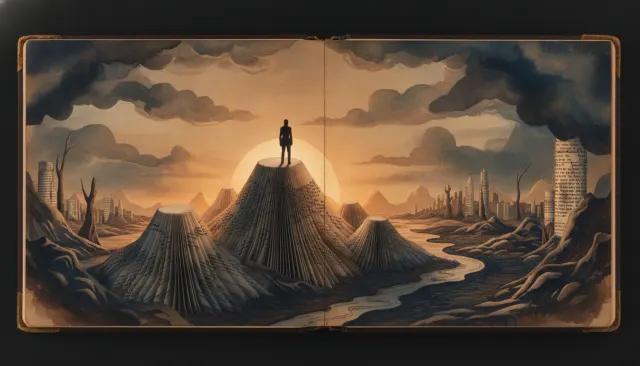
- altered-book-art-collage
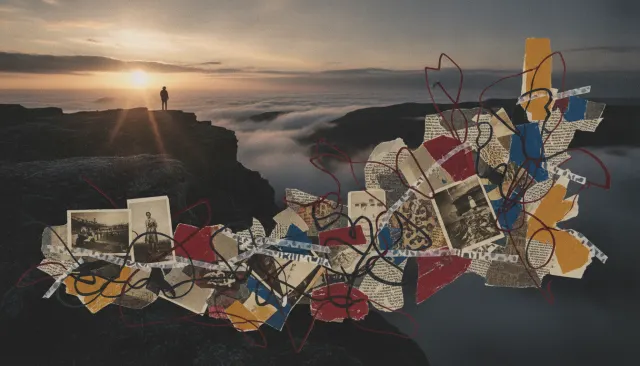
- mixed-media-collage-with-handwriting
NOTABLE WORKS
Where you have seen it.
Ralph Steadman, Kentucky Derby assignment illustrations (Scanlan's Monthly, 1970)
Ralph Steadman, Fear and Loathing on the Campaign Trail '72 (Rolling Stone, 1972)
Albrecht Durer, engravings and woodcuts (1490s-1520s)
foundational cross-hatching technique
Gustave Dore, engravings for Dante's Inferno and Don Quixote (1850s-1880s)
Gerald Scarfe, political caricature and pen-and-ink distortion (1960s+)
David Mack, Kabuki comic series (1994+)
ink over collaged photographic reference
Rembrandt, etching and drypoint works (1620s-1660s)
foundational cross-hatch tonal modeling
THE RECIPE
The exact knobs
the renderer turns.
A Look is not a filter. It is a set of stored decisions the pipeline reads before it makes a single frame, so two videos in the same Look actually match.
SettingValue
GradeColour LUT applied to every frame
ink-hatch-on-photoTransitionHow one shot becomes the next
hard cuts · 180ms · linearKen BurnsCamera move applied to stills
Slow push · 0.025 · centerTypographyDisplay / body / mono pairing
Source Serif Pro · Lora · CourierMusic moodWhat the bed under the voice sounds like
frenetic-jazz-percussion · distorted-bass-rumblePrompt suffixAppended to every shot prompt in this Look
India ink cross-hatched pen drawing over photographic base, etching-like line density, Ralph Steadman gonzo, photograph used as under-paintingPALETTE
Primary
#1A1A1A
Secondary
#5C4A35
Accent
#F2EADB
Text/Light
#0A0A0A
Text/Dark
#FFF5DA
BG 900
#0A0A0A
BG 800
#1A1410
RELATED LOOKS
Next to it on the shelf.
Your first cut
is on us.
+ New videoFree plan · no card · 1080p export