Fortnite Battle Royale
Epic Games · 2017
Originating title establishing the pop-saturated stylized 3D visual language used by hundreds of millions of players
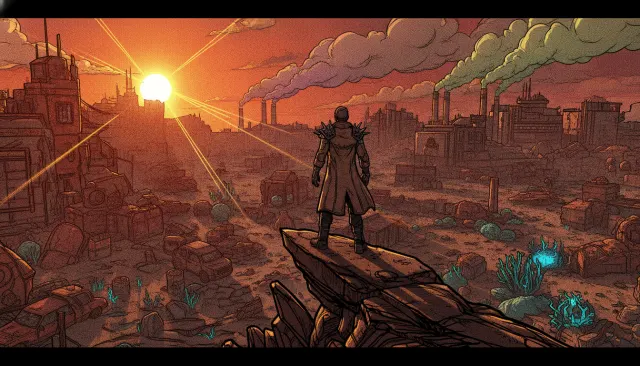
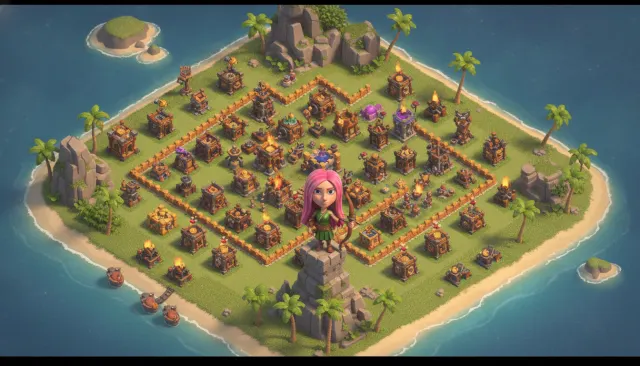
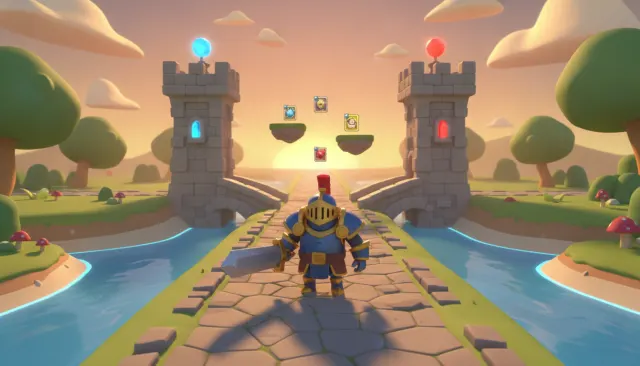
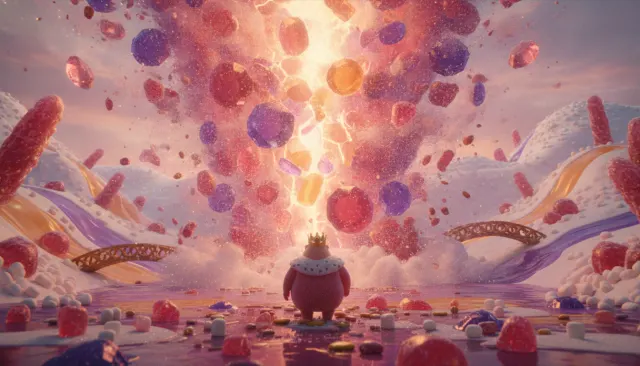
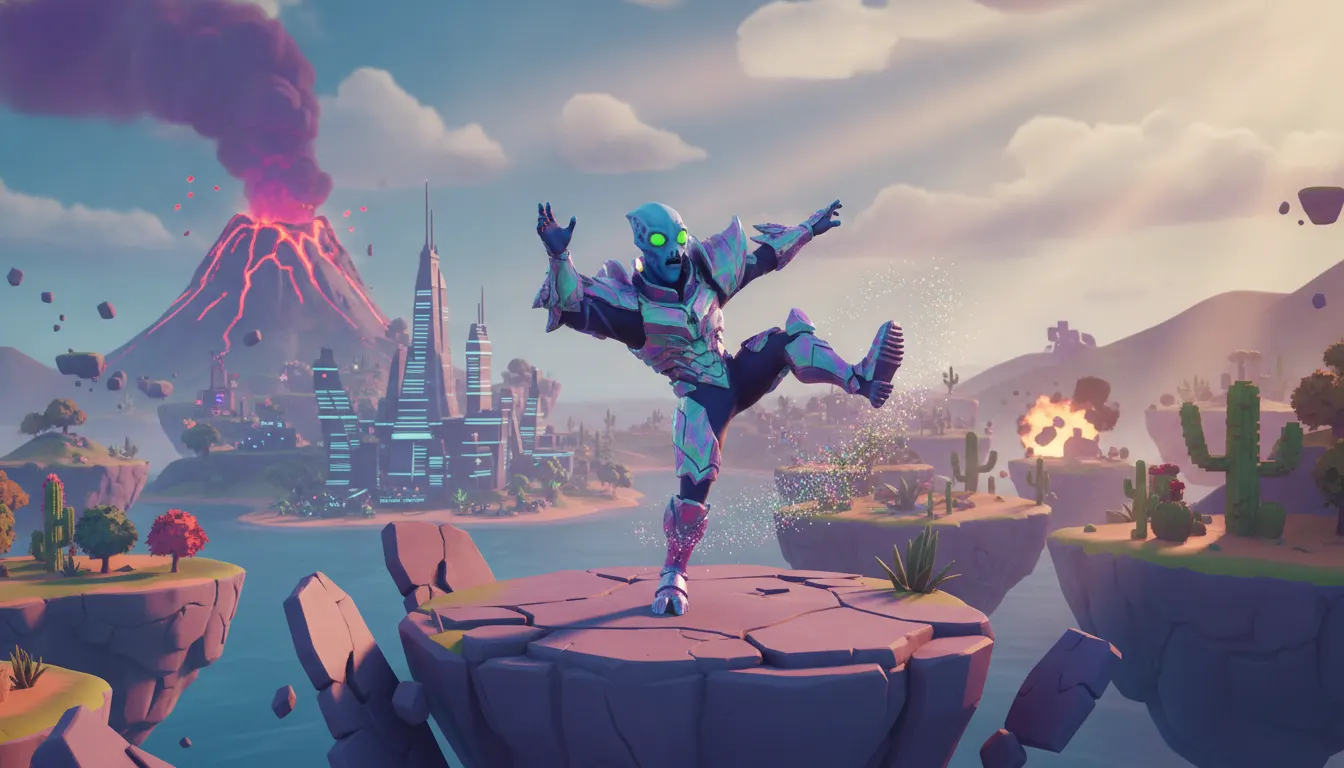
Fortnite stylized cartoon 3D. Bright saturated palette, exaggerated cartoon character, dance-emote staging, battle-royale shooter.
The moves a human crew would use to get here. Cue applies them for you, and knowing their names is how you ask for a change.
Electric primary and secondary hues with boosted saturation values engineered to read on compressed mobile and streaming displays
Oversized shoulders, thick limbs, and slightly enlarged heads that convey strength while staying approachable and cartoon-adjacent
Grey-green-blue-purple-gold material tiers that embed legible value judgment without explicit UI labels
Full-body dances and celebration moves with exaggerated timing, driving both in-game purchases and viral social moments
Large-scale environmental events -- meteor impacts, island floods, giant concert stages -- that use the stylized 3D aesthetic for cinematic live storytelling
Light character silhouette outline that separates figures from complex backgrounds without becoming overtly cel-shaded
Fortnite's visual identity - developed by Epic Games starting with the game's 2017 launch and battle royale mode - established one of the most recognized stylized 3D aesthetics in global pop culture. Art director Pete Ellis and the Epic Games art team crafted a look that sits precisely between realistic and cartoonish: chunky character proportions, exaggerated emote animations, and a sugar-saturated palette that made the game instantly legible across compressed streaming thumbnails and small mobile screens alike.
Fortnite characters use a heroic-but-goofy silhouette: broad shoulders, slightly oversized heads, and thick limbs that convey strength without anatomical realism. Skin textures use a light subsurface scattering pass that keeps faces warm and approachable rather than clinical. Outlines are rendered subtly, just enough to separate characters from busy background geometry during fast gameplay.
Primary and secondary hues dominate - electric blues, hot oranges, acid greens - with high saturation values that print well across dark monitor and phone screen gamuts. Materials read clearly at game resolution: metal has obvious reflective highlights, cloth has soft matte shading, and wood splinters use exaggerated physics. Rarity colors (grey, green, blue, purple, gold) embed a legible value hierarchy without UI clutter.
Maps favor bold lighting with high-key ambient fill and colorful sky gradients. Storm visual effects use deep purple and electric highlights. Seasonal events introduced cinematic sky spectacles - Fortnite's Galactus event (2020) and Chapter 2 island flip reached simultaneous viewership records, demonstrating how the aesthetic scales to live-event cinema.
Fortnite crossovers with Marvel, Star Wars, Ariana Grande, Travis Scott, and The Matrix pushed the aesthetic into mainstream entertainment design. The Travis Scott Astronomical concert event (2020, 27.7 million concurrent players) proved that the stylized 3D aesthetic could serve as a venue for live performance art.
Fortnite's skin system -- over 1,500 purchasable character outfits by 2024 -- forced the art team to design a visual vocabulary that could absorb any intellectual property while remaining coherent. A Marvel superhero, a branded sneaker mascot, and an original Fortnite character must coexist in the same match without the palette becoming incoherent. This is solved through the shared proportional system: any IP brought into Fortnite is re-proportioned to the game's heroic-goofy body standard, standardizing them visually regardless of source material. The result is one of the most successfully scalable visual identities in entertainment history.
Fortnite runs on Epic's own Unreal Engine, and each major chapter upgrade has served as a public demonstration of the engine's evolving rendering capabilities. The transition to Unreal Engine 5 in Chapter 4 (2023) introduced Nanite virtual geometry and Lumen global illumination, upgrading the lighting fidelity while explicitly preserving the pop-saturated palette that defines the Fortnite brand.
Epic Games · 2017
Originating title establishing the pop-saturated stylized 3D visual language used by hundreds of millions of players
Epic Games / Travis Scott · 2020
27.7 million concurrent viewer concert demonstrating how the aesthetic scales to live entertainment
Epic Games / Marvel · 2020
Marvel crossover season featuring Thor, Iron Man, and Galactus finale event
Epic Games / Ariana Grande · 2021
Pop star concert event blending the Fortnite aesthetic with live performance art
Epic Games · 2023
Engine upgrade that maintained the stylized palette while significantly upgrading lighting fidelity
Epic Games / Lucasfilm · 2019
Early crossover demonstrating the aesthetic's compatibility with major IP without losing its identity
A Look is not a filter. It is a set of stored decisions the pipeline reads before it makes a single frame, so two videos in the same Look actually match.