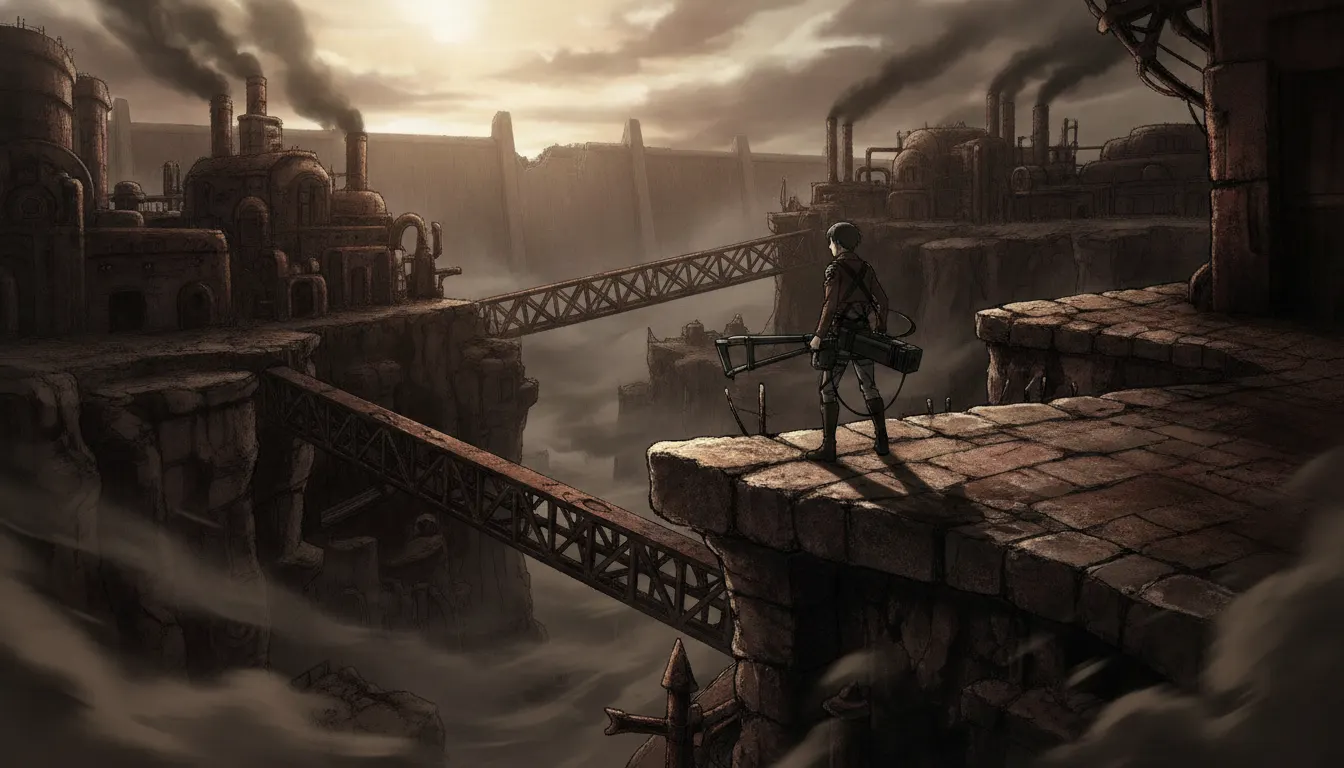
Attack on Titan S1
2013
Wit Studio, dir. Tetsuro Araki, 25 episodes
Wit Studio early Attack on Titan register. Gritty earthbound palette, rough linework, dynamic 3D-camera action, military-industrial setting.
The moves a human crew would use to get here. Cue applies them for you, and knowing their names is how you ask for a change.
rapid cuts between human close-up and full Titan wide shot, making relative scale viscerally felt
characters swing and fly through three-dimensional space with hybrid 3D/2D camera tracking
brown exterior grade: all outdoor daytime scenes graded away from warm naturalism toward a cooler, heavier palette
partial body parts revealed through trees, fog, or architectural obstruction before full frightening reveal
motion: the precise sword strike at the Titan's nape rendered in slow motion as the series' climactic recurring image
the green Survey Corps cloak catches wind and billows, used as a repeated visual motif encoding freedom and cost simultaneously
musical phrase peaks timed to precise visual cuts during battle sequences
Wit Studio was founded in 2012 as a subsidiary of Production I.G., making Attack on Titan its first major production and, arguably, one of the most successful first productions in anime studio history. The manga by Hajime Isayama (Shingeki no Kyojin, serialized in Bessatsu Shonen Magazine, Kodansha, 2009-2021) was adapted by Wit Studio for three seasons (2013, 2017, 2018-2019, totaling 59 episodes) before production moved to MAPPA for the final arc.
Isayama's manga presented specific visual challenges: the story requires depicting humans as small as insects against massive, inhuman Titans; it requires the ODM (Omni-Directional Maneuvering) gear sequences where soldiers swing between buildings and tree trunks in three-dimensional space; and it requires a consistent tonal darkness that resists the bright optimism of conventional shonen anime. Wit Studio solved these problems by:
Director Tetsuro Araki (seasons 1 and 2) cited Western live-action cinema as a reference for tonal and compositional choices. The horror register of Titan encounters borrows from creature feature cinematography: obscured reveals, partial glimpses, reaction shots before full-body reveal. The color palette owes more to Spielberg's Saving Private Ryan (1998) desaturation than to anime precedent.
Hiroyuki Sawano's score -- bombastic orchestral with electronic and vocal elements -- is inseparable from the visual aesthetic. The music is composed to extend and amplify visual scale, with choral elements elevating battle sequences to operatic register. The visual and audio relationship in AoT is one of the most tightly integrated in contemporary anime.
Wit's three seasons progressively refined the aesthetic: Season 1 established the grammar; Season 2 (2017, 12 episodes) concentrated on psychological intensity; Season 3 (2018-2019, two parts) introduced more sophisticated political drama alongside action. MAPPA's Final Season (2020-2023) maintained the core visual grammar while demonstrating different production priorities -- more fluid combat but less environmental detail consistency.
2013
Wit Studio, dir. Tetsuro Araki, 25 episodes
2017
Wit Studio, dir. Masashi Koizuka, 12 episodes
Wit Studio, two-part final Wit season
MAPPA, dir. Jun Shishido/Yuichiro Hayashi
Hajime Isayama, Bessatsu Shonen Magazine
2019
Wit Studio, comparable dark historical epic aesthetics
2017
Wit Studio, lighter tone same studio visual quality
2021
Wit Studio, fairy-tale style divergence from AoT darkness
A Look is not a filter. It is a set of stored decisions the pipeline reads before it makes a single frame, so two videos in the same Look actually match.
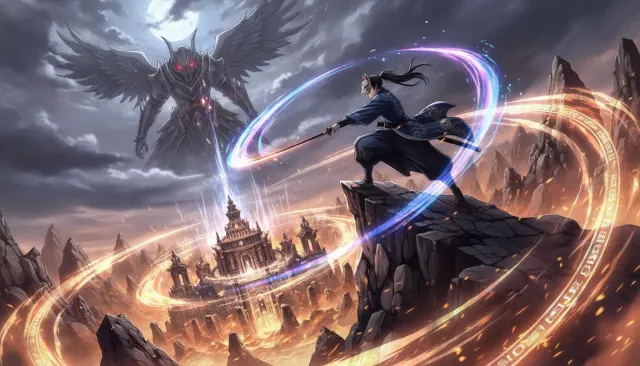 Studio Aesthetic ExpandedUfotable Fluid Fight 3D Camera
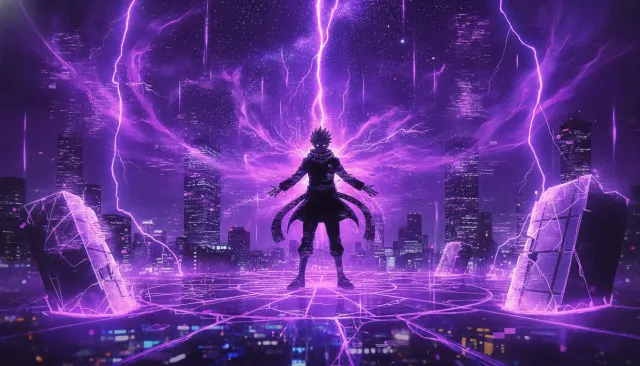 Era Classic Anime Expanded2020s Jujutsu Kaisen Cursed Energy
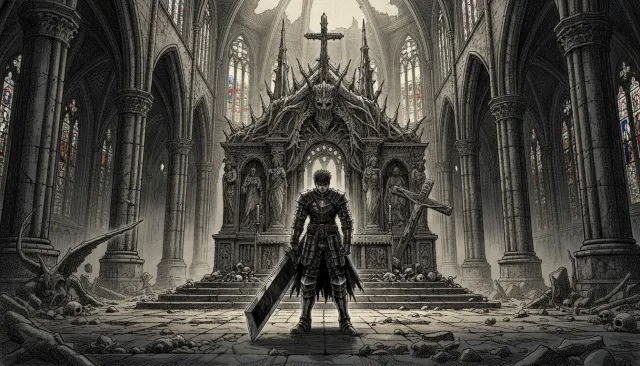 90S Manga AestheticsBerserk Dark Fantasy Ink Detail
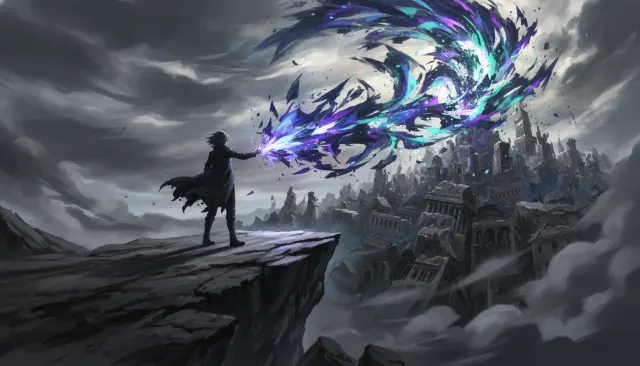 Studio Aesthetic ExpandedBones Studio Mob Psycho Action
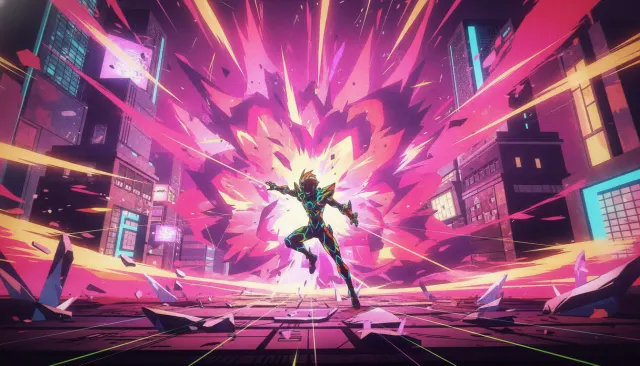 Studio AestheticStudio Trigger Explosive Action
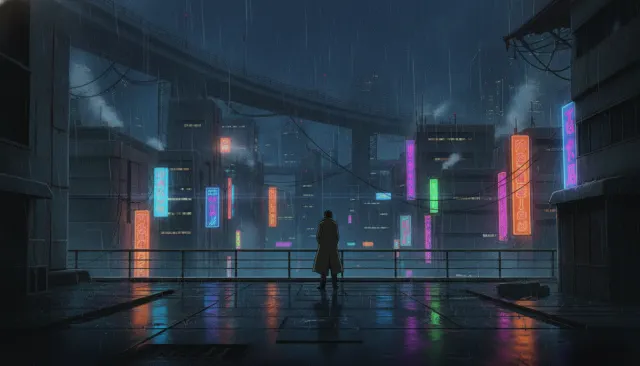 Era Classic AnimeAkira / Bebop 90s OVA Cel