Kill la Kill
2013
Studio Trigger, dir. Hiroyuki Imaishi, 24 episodes
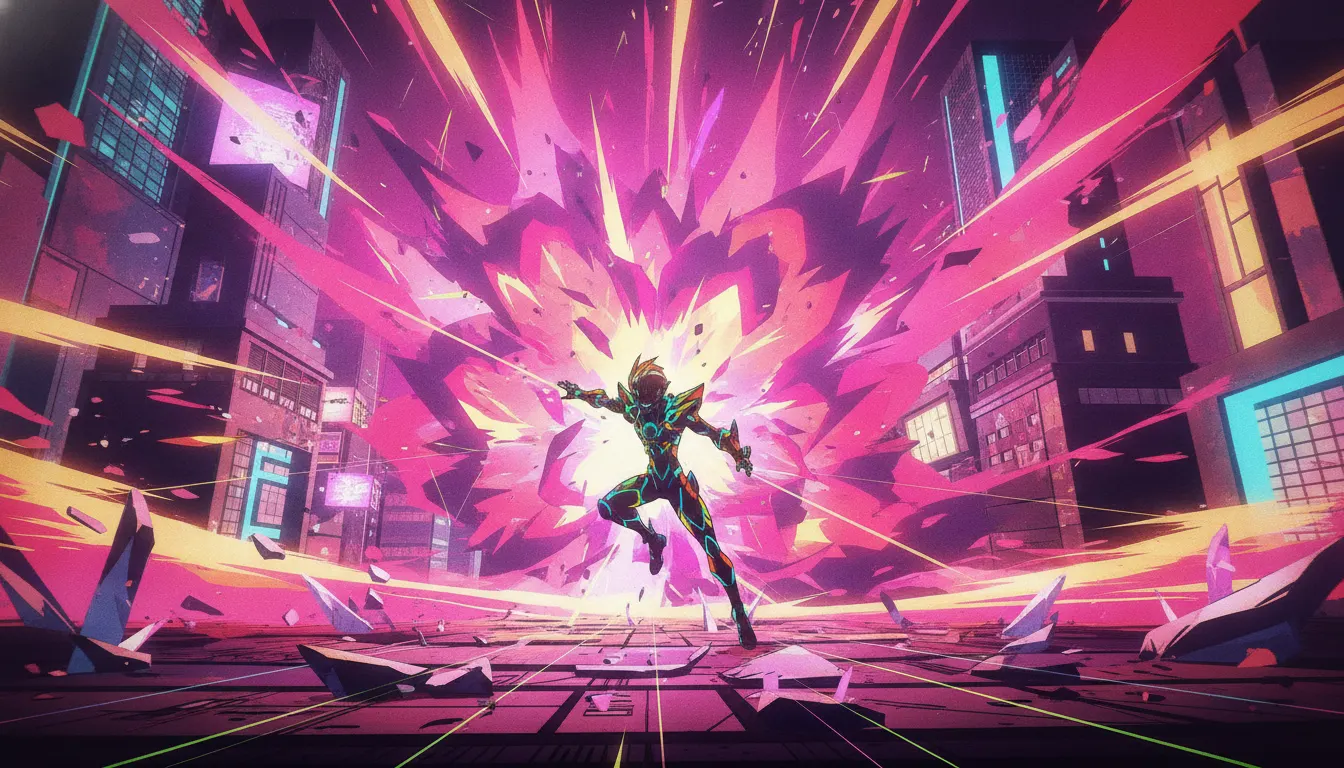
Studio Trigger (Kill la Kill, Promare, Cyberpunk Edgerunners) loud kinetic register. Saturated neon, geometric explosions, smear frames, exaggerated poses.
The moves a human crew would use to get here. Cue applies them for you, and knowing their names is how you ask for a change.
bodies stretch, flatten, and distort under force, prioritizing kinetic readability over anatomical accuracy
Promare-style flame rendered as triangular crystalline shapes rather than organic fluid forms
fast motion depicted through rapid alternation between two extreme poses rather than fluid in-between frames
action: abstract colored planes replace environmental backgrounds during key impact beats
large areas of pure red, blue, or yellow with hard edges used structurally as graphic design elements
thin delicate lines for normal scenes, thick bold outlines during action peaks
faces contort to grotesque extremes -- entire lower face becomes open mouth, eyes disappear under brows
Studio Trigger was founded in 2011 by Hiroyuki Imaishi and Masahiko Otsuka, both formerly of Gainax (where Imaishi directed Gurren Lagann in 2007 and Panty & Stocking with Garterbelt in 2010). Since its founding, Trigger has established itself as the studio most committed to a specific aesthetic vision: maximalism, deliberate visual rule-breaking, and flat graphic boldness over photorealistic rendering quality.
Kill la Kill (2013, 24 episodes, dir. Imaishi, series composition Kazuki Nakashima) is Trigger's defining work and the clearest statement of the aesthetic. The visual language deliberately incorporates limitations as features: flat perspective-free backgrounds, simplified character designs during action sequences that prioritize shape-reading over anatomical correctness, and color blocking borrowed from graphic design rather than naturalistic shading. The show's visual humor relies on the grotesque exaggeration of the power suit designs (the Kamui) and the deliberately absurd proportions of antagonists.
Trigger's signature moves include:
Promare (2019, theatrical, dir. Imaishi, script Kazuki Nakashima) pushed the Trigger aesthetic into a full-blown geometric spectacle. Fire is rendered as crystalline geometric shapes -- triangular and polygonal forms rather than organic flame. The color palette shifts between warm red-orange and cool blue-purple based on character alignment. The film was animated with digital tools allowing geometric precision impossible in hand-drawn work, while deliberately maintaining the graphic flatness of the TV aesthetic.
Cyberpunk Edgerunners (2022, 10 episodes, Netflix, dir. Hiroyuki Imaishi) adapted CD Projekt Red's Cyberpunk 2077 setting into a tragic coming-of-age narrative. Trigger retained its explosive action aesthetic while demonstrating previously rare emotional depth -- the series was praised by critics and generated massive audience response despite its brevity. The visual production combined the classic Trigger graphic flatness with more sophisticated lighting and compositing for the Night City neon environment.
2013
Studio Trigger, dir. Hiroyuki Imaishi, 24 episodes
2019
Studio Trigger, theatrical, dir. Imaishi
2022
Studio Trigger / Netflix, 10 episodes, dir. Imaishi
2007
Gainax, dir. Imaishi, pre-Trigger predecessor
2017
Studio Trigger, softer tone same graphic quality
2010
Gainax, dir. Imaishi, American cartoon parody
2018
Trigger / A-1 Pictures, co-production mecha drama
2012
Studio Trigger, ultra-limited animation as radical aesthetic statement
A Look is not a filter. It is a set of stored decisions the pipeline reads before it makes a single frame, so two videos in the same Look actually match.
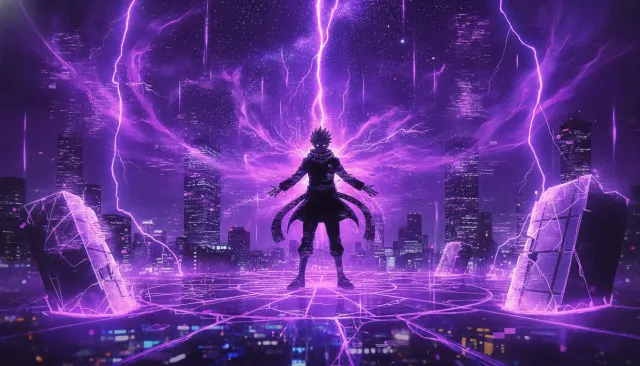 Era Classic Anime Expanded2020s Jujutsu Kaisen Cursed Energy
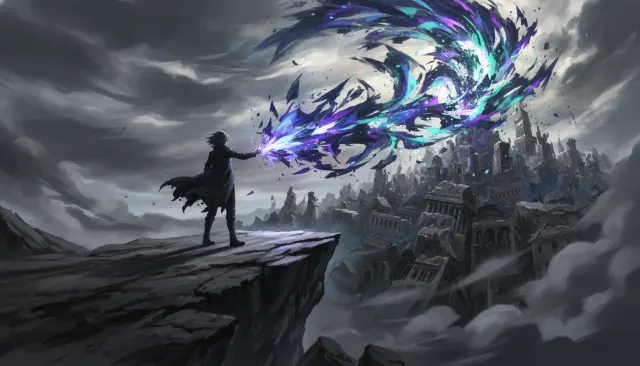 Studio Aesthetic ExpandedBones Studio Mob Psycho Action
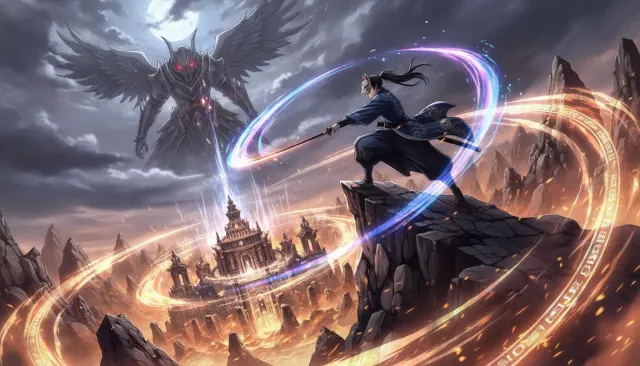 Studio Aesthetic ExpandedUfotable Fluid Fight 3D Camera
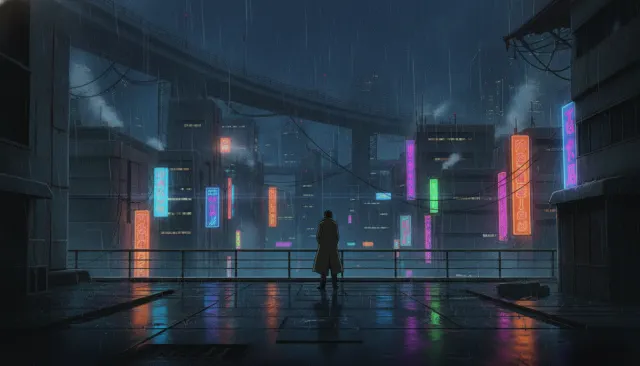 Era Classic AnimeAkira / Bebop 90s OVA Cel
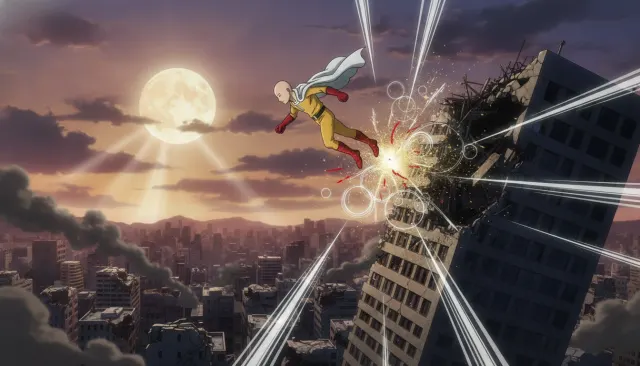 Era Classic Anime Expanded2010s One Punch Man Bouncing Comic
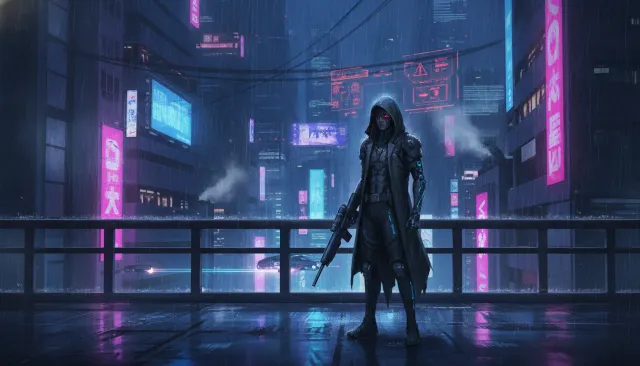 Subgenre Action DarkerCyberpunk Anime Akira Modern