Spider-Man: Into the Spider-Verse
Sony Pictures Animation, 2018 (Academy Award winner, primary reference)
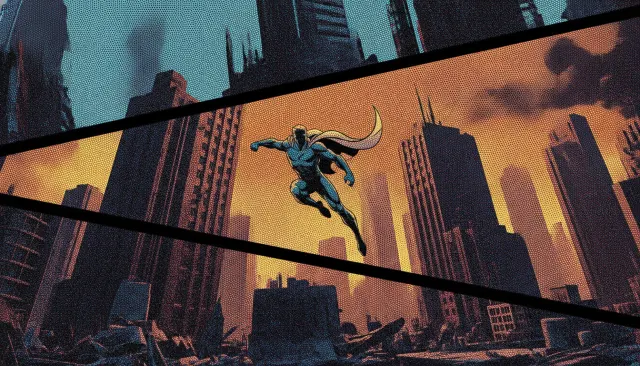
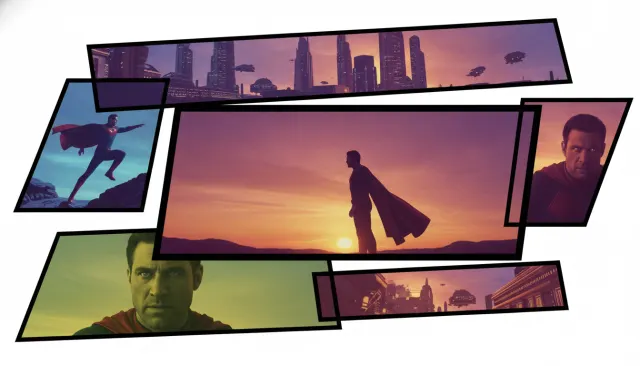
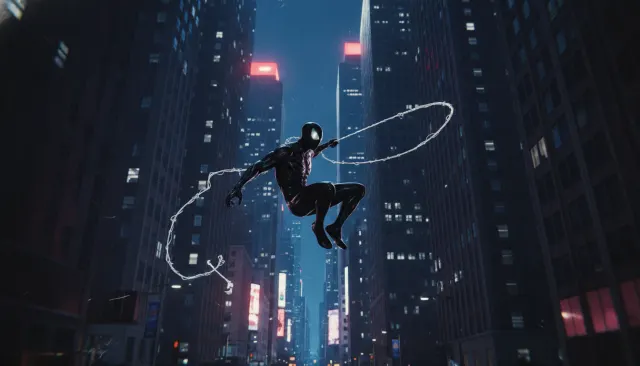
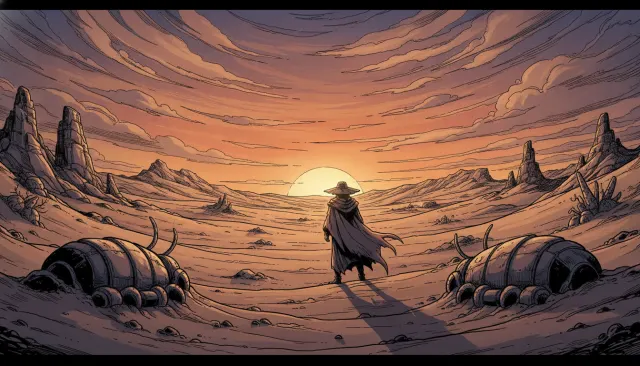
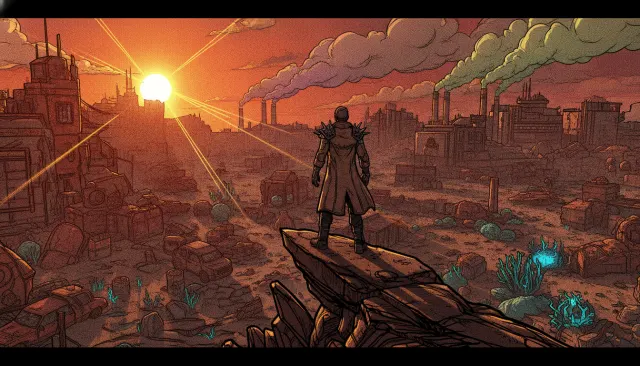
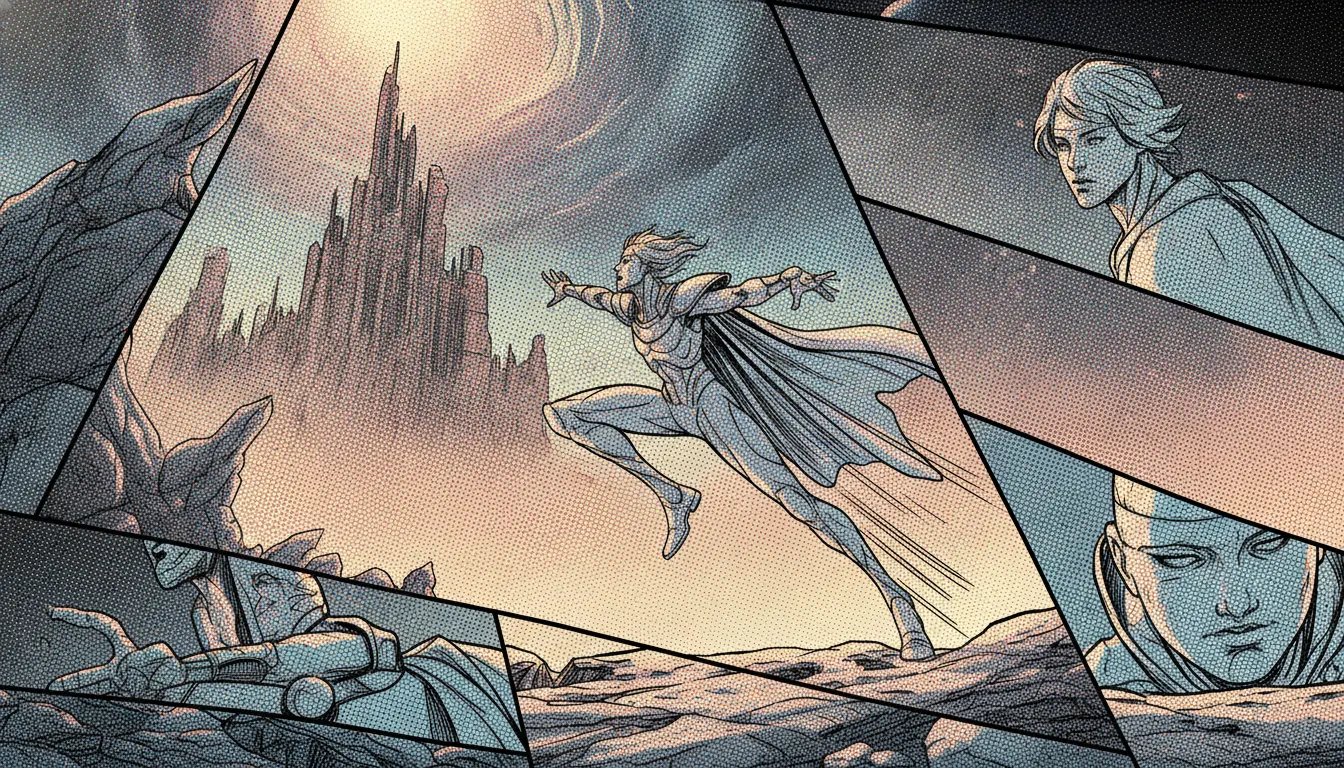
Sony Animation Spider-Verse hybrid. 2D ink lines on 3D models, Ben-Day dot halftone, chromatic aberration, panel-jam comic motion.
The moves a human crew would use to get here. Cue applies them for you, and knowing their names is how you ask for a change.
twos animation for characters against 24fps environments to signal visual 'otherness'
single-frame hand-drawn distortion blobs during fast action movements
Day halftone dot patterns in shadow regions and solid color fills
world diegetic caption boxes and onomatopoeia floating as physical objects
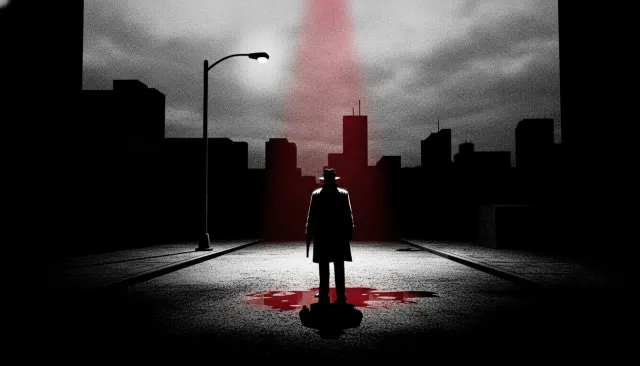
character visual style variation (watercolor brushstrokes for Gwen, black-and-white for Noir)
drawn ink outline fluctuation on still characters to simulate held illustration frames
Spider-Man: Into the Spider-Verse (Sony Pictures Animation, December 2018), directed by Bob Persichetti, Peter Ramsey, and Rodney Rothman, won the Academy Award for Best Animated Feature and is widely credited with changing the formal vocabulary of 3D animation more significantly than any film since Pixar's Toy Story (1995).
Producers Phil Lord and Chris Miller challenged Sony's Imageworks team to make a 3D animated film that looked like a comic book in motion - not a 3D film with comic-book references, but a comic book that was somehow moving. The result required building new rendering and compositing pipelines rather than modifying existing ones.
Frames run at 12fps (on-twos) for Miles Morales's character, while other Spider-People run at 24fps - a deliberate visual artifact that marks Miles as belonging to a different visual tradition, evolving from awkward to fluid as he grows into his powers. Action sequences use smear frames (single-frame hand-drawn distortions) borrowed directly from 1960s Marvel animation.
The film layers three-dimensional geometry with printed comic book surface treatments: Ben-Day halftone dot patterns appear in shadows and solid color fields; thought-bubble caption boxes appear diegetically in Miles's world; WHAM and THWIP onomatopoeia float in space. Characters like Gwen Stacy have literal visible brushstrokes in their watercolor shading. The Spider-Man Noir sequence shifts to a desaturated black-and-white press-print palette.
Across the Spider-Verse (2023, dirs. Kemp Powers, Justin K. Thompson, Joaquim Dos Santos) pushed the aesthetic further: each dimension has its own distinct visual style. Mumbattan uses painted Indian miniature influences; Nueva York uses Syd Mead sci-fi concept art as its rendering grammar; the Spot villain's void dimension is white negative space with brushstroke environmental fragments.
Sony Pictures Animation, 2018 (Academy Award winner, primary reference)
Sony Pictures Animation, 2023 (expanded multi-style architecture)
Sony Pictures Animation, upcoming (continuation)
DreamWorks, 2022 (influenced by Spider-Verse, uses similar on-twos and brushstroke techniques)
DreamWorks, 2022 (inspired by Spider-Verse to use on-twos and ink texture)
A Look is not a filter. It is a set of stored decisions the pipeline reads before it makes a single frame, so two videos in the same Look actually match.