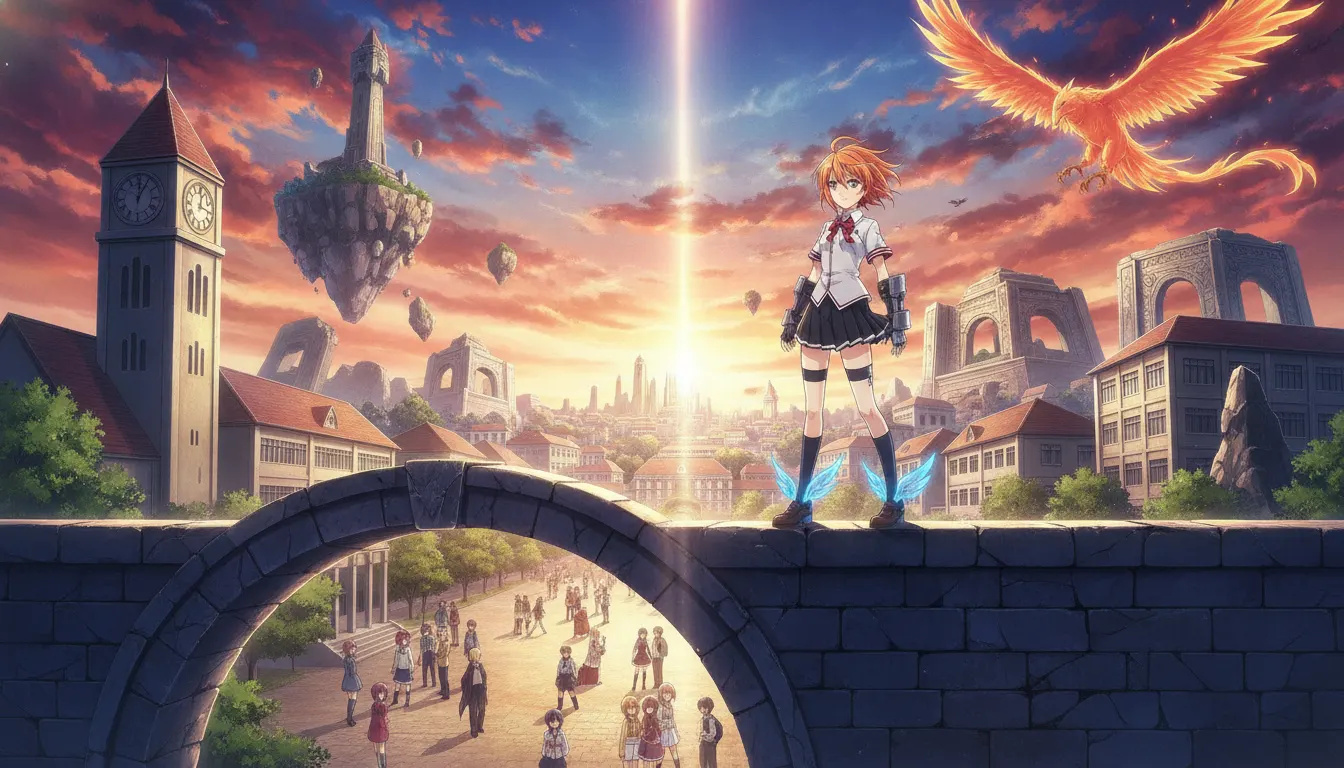
Shakugan no Shana
J.C. Staff / Yashichiro Takahashi · 2005
Defining franchise for the studio's action-romance light novel adaptation house style
JC Staff (Shakugan no Shana, Toradora, A Certain Magical Index) light-novel adaptation register. Bright cel saturation, school + fantasy hybrid backdrops, expressive heroines.
The moves a human crew would use to get here. Cue applies them for you, and knowing their names is how you ask for a change.
Crimson fire particle animation overlaid on 2D action sequences, raising visual dynamism without requiring full-frame key animation throughout
Protagonist designs anchored by immediately striking hair and iris colors that serve as character identity shorthand -- Shana's red hair and gold eyes
Held cels and camera pans for connective action, concentrated full animation for climactic moments -- a studio efficiency technique visible across all J.C. Staff productions
Backgrounds in amber-to-beige tones that read as warm and domestic, creating comfortable contrast against bright character designs
Character faces optimized for expression readability: large irises, clear eyebrow visibility, and minimal internal line complexity for high-frame-rate dialogue scenes
Rooftop scenes, classroom interiors, and school corridors used as recurring emotional staging grounds across franchise properties
J.C. Staff (Japan Creative Staff) is one of anime's most prolific mid-tier studios, operating since 1986 with a house aesthetic that reached its most recognizable form through the Shakugan no Shana franchise (2005-2012), based on Yashichiro Takahashi's light novels. The studio's style balances accessible mainstream appeal with competent action sequences and a particular skill with tsundere-archetype female leads.
Shana exemplifies J.C. Staff's approach: a protagonist with striking crimson hair and gold flame eyes that immediately signal supernatural power status, rendered with clean efficient linework. The studio's character designers -- notably Eiji Suganuma on Shana -- favor emotionally readable faces with large irises and compact, athletic builds for action heroines. Designs are commercially optimized: they photograph well as merchandise and translate cleanly to promotional illustration.
J.C. Staff allocates animation resources tactically. Background action sequences use limited movement with held cels and camera pans; climactic moments receive concentrated high-quality animation bursts. Shana's flame effects -- tracking crimson fire that surrounds her during battle -- became a signature technique: particle animation overlaid on 2D action that raised the visual dynamism ceiling without requiring full-frame animation throughout.
The J.C. Staff house aesthetic appears consistently across two decades: Index/Accelerator's barrier effects (A Certain Magical Index, 2008), the combat magic of Little Witch Academia-adjacent school settings, and the warm domestic lighting of Toradora! (2008). Romantic comedies and action-fantasy light novel adaptations share the same clean linework, efficient color palette, and slightly warm-neutral background palette.
J.C. Staff became the dominant studio for light novel adaptations, handling A Certain Magical Index (2008-2019), DanMachi: Is It Wrong to Try to Pick Up Girls in a Dungeon? (2015-), Sword Art Online Alternative, and Food Wars (Shokugeki no Soma, 2015). This specialization produced a streamlined production pipeline for high-school-adjacent fantasy narratives with ensemble casts.
J.C. Staff / Yashichiro Takahashi · 2005
Defining franchise for the studio's action-romance light novel adaptation house style
J.C. Staff / Yuyuko Takemiya · 2008
Romantic comedy showing the studio's warm domestic interior aesthetic at its most refined
J.C. Staff / Kazuma Kamachi · 2008
Long-running sci-fi fantasy franchise demonstrating tactical animation allocation across 100+ episodes
J.C. Staff / Yuto Tsukuda · 2015
Culinary battle anime with over-the-top reaction animation using the studio's particle-effect vocabulary
J.C. Staff / Fujino Omori · 2015
Fantasy RPG-adjacent series applying the flame-effect and action-allocation techniques in a dungeon setting
J.C. Staff / Karino Takatsu · 2010
Workplace comedy demonstrating the studio's efficient character expression design in a slice-of-life context
A Look is not a filter. It is a set of stored decisions the pipeline reads before it makes a single frame, so two videos in the same Look actually match.
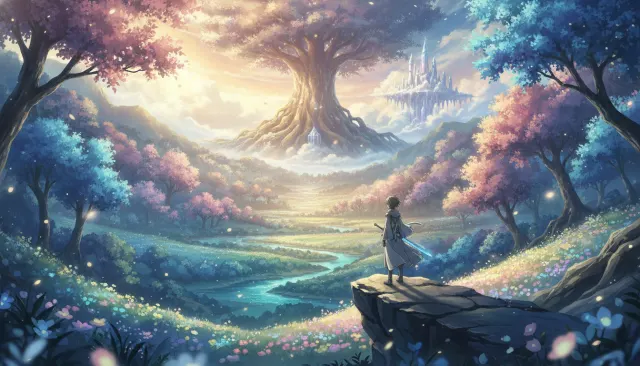 Studio Aesthetic ExpandedA-1 Pictures Sword Art Online
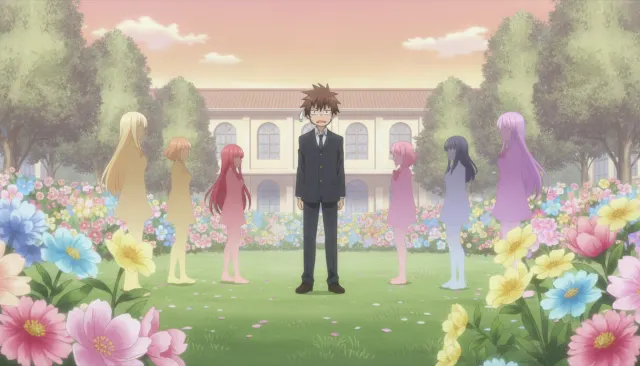 Subgenre Romance ComedyHarem Romcom Pastel Anime
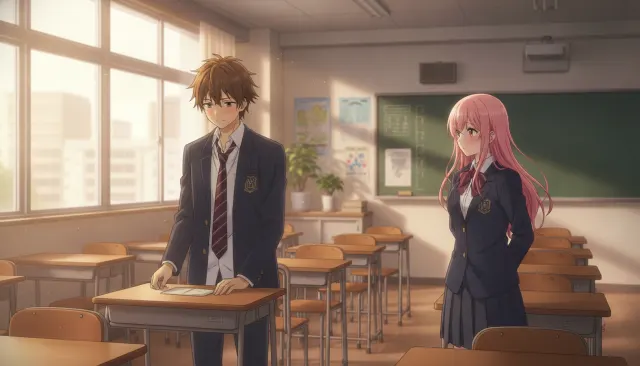 Subgenre Romance ComedySchool Romance Classroom Anime
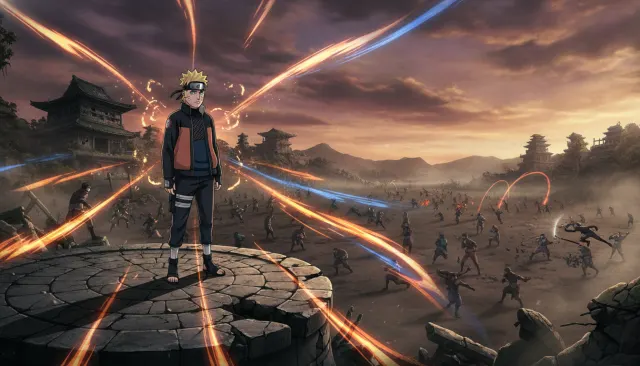 Era Classic Anime Expanded2000s Naruto Shippuden Modern Shonen
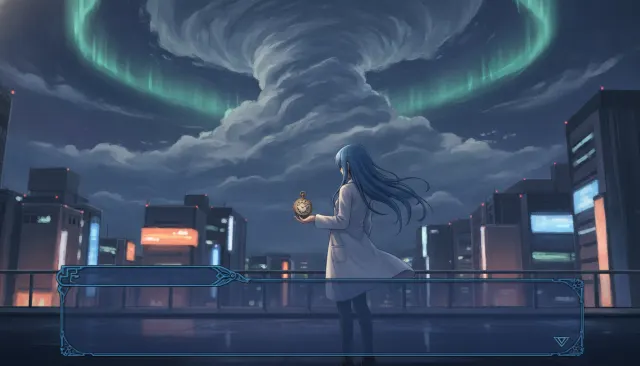 Visual Novel Anime GameVisual Novel Anime 2D Portrait
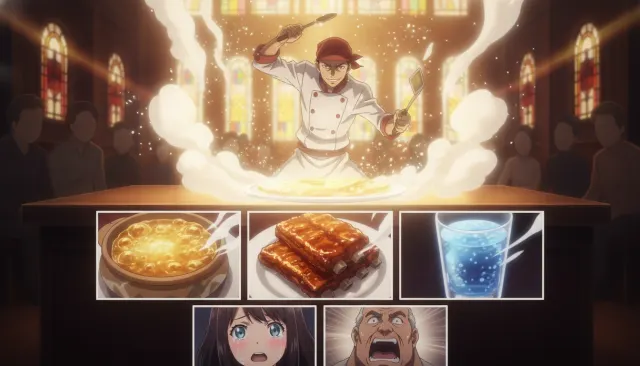 Subgenre NicheFood Anime Shokugeki no Soma Glowing