Haikyuu!!
Production I.G / Haruichi Furudate · 2014
Originating series establishing all core visual conventions across four seasons
Sports anime in the Haikyuu / Kuroko / Blue Lock register. Kinetic court paneling, speed lines, sweat-drop detail, hyper-stylized athletic motion.
The moves a human crew would use to get here. Cue applies them for you, and knowing their names is how you ask for a change.
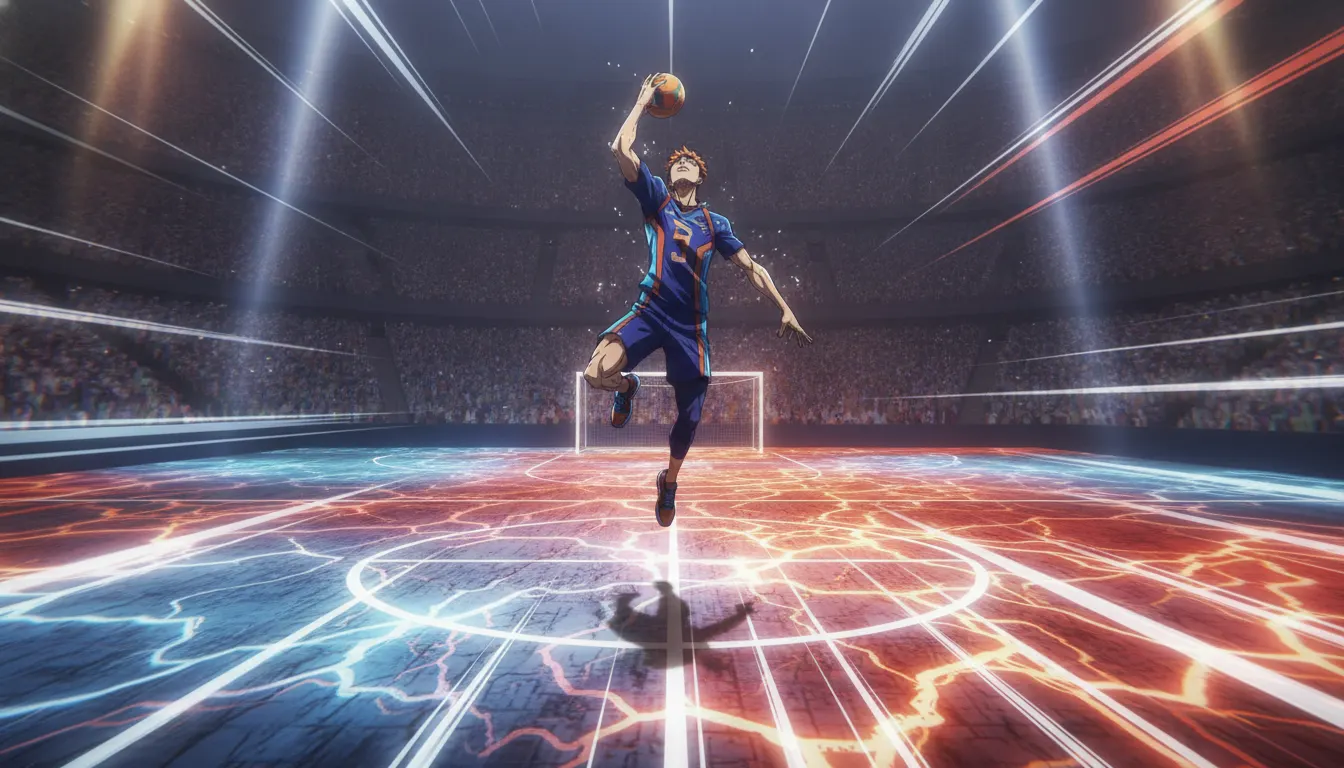
Camera positioned at net height looking up at a jumping attacker, emphasizing vertical power and height differential
Single-frame freeze on ball contact, radiating speed lines on a saturated flat-color background recalling manga panel composition
Warm amber overhead cast with hard shadows on the court floor, distinguishing this indoor-sport look from outdoor or arena settings
Individual droplets and flying hair treated frame-by-frame at peak exertion moments, adding tactile weight to athletic effort
Rapid cuts between bench players, coaches, and crowd during rallies keep emotional stakes continuously visible
Camera tracks the volleyball at play speed through its full trajectory, creating a POV experience of the game's pace
Elongated limbs and broad shoulders on player characters signal athletic identity while staying within realistic anime anatomy
The Haikyuu!! sports anime aesthetic is defined by Production I.G's 2014-2020 adaptation of Haruichi Furudate's manga, spanning four seasons and establishing the gold standard for contemporary sports animation. The look combines fluid, physics-aware character motion with expressive emotional close-ups, creating a visual language where athletic tension and interpersonal drama are inseparable.
Character designs use strong, exaggerated proportions for athletes -- broad shoulders, long limbs -- while maintaining mobile, expressive faces. Action sequences deploy dynamic camera angles borrowed from sports broadcast conventions: low-angle spike shots, overhead court-wide establishes, and ultra-tight follow-cams on the ball. Production I.G's in-between animation maintains consistent volume through extreme poses, avoiding the smearing shortcuts common in budget sports anime.
Palettes are bold and high-contrast: team uniform colors (orange/black for Karasuno, blue/white for Aoba Josai) anchor each scene emotionally. Gymnasium environments use warm sodium vapor overhead lighting that casts dramatic shadows across the court floor. Sweat droplets, chalk dust, and flying hair receive individual frame-by-frame treatment, giving moments of peak exertion a near-tactile quality.
Impact frames frequently adopt a manga-panel frozen-moment approach -- saturated single-color backgrounds, speed lines radiating from the point of contact, and character silhouettes reduced to gestural outlines. Slow-motion sequences intercut with normal speed to emphasize psychological state changes mid-rally. Sound design synchronizes tightly with these visual beats.
Cutaways to bench reactions, crowd close-ups, and internal monologue inserts keep emotional stakes visible even during fast action. Characters' eyes are drawn with particular care: irises layered with multiple highlight points to convey intensity, focus, or exhaustion.
Production I.G / Haruichi Furudate · 2014
Originating series establishing all core visual conventions across four seasons
Production I.G · 2016
Ten-episode single-match arc considered the peak of the series' animation intensity
Production I.G · 2024
Feature film continuation maintaining the series' visual fidelity at theatrical scale
Production I.G · 2012
Earlier sports anime by same studio establishing foundational conventions Haikyuu refined
MAPPA · 2016
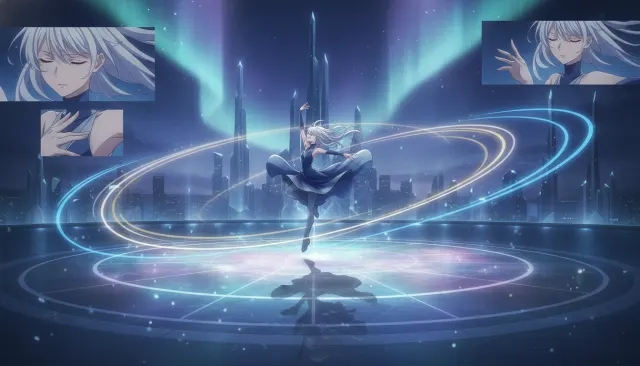
Contemporary sports anime using similar emotional-intercutting structure but for figure skating
8bit · 2022
Soccer sports anime adopting the Haikyuu impact-frame vocabulary for a darker psychological tone
A Look is not a filter. It is a set of stored decisions the pipeline reads before it makes a single frame, so two videos in the same Look actually match.
 Subgenre NicheSports Anime Yuri on Ice Graceful
 Era Classic Anime Expanded2000s Naruto Shippuden Modern Shonen
 Studio AestheticMAPPA Modern Shonen
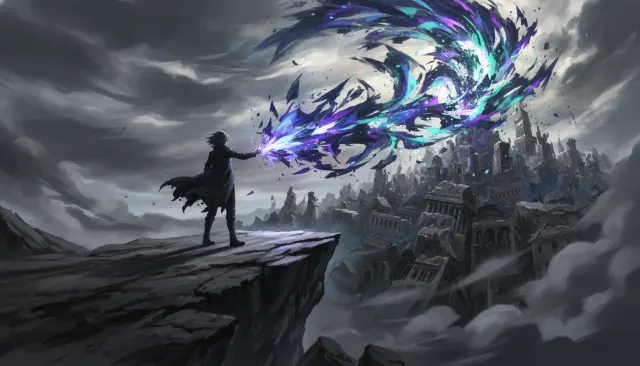 Studio Aesthetic ExpandedBones Studio Mob Psycho Action
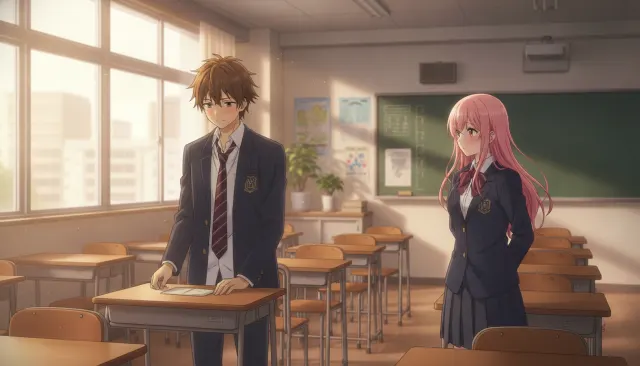 Subgenre Romance ComedySchool Romance Classroom Anime
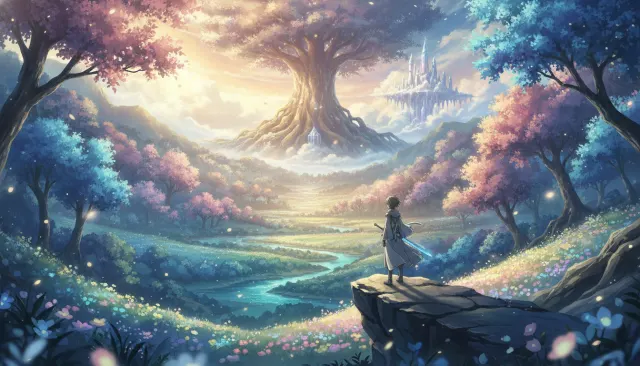 Studio Aesthetic ExpandedA-1 Pictures Sword Art Online