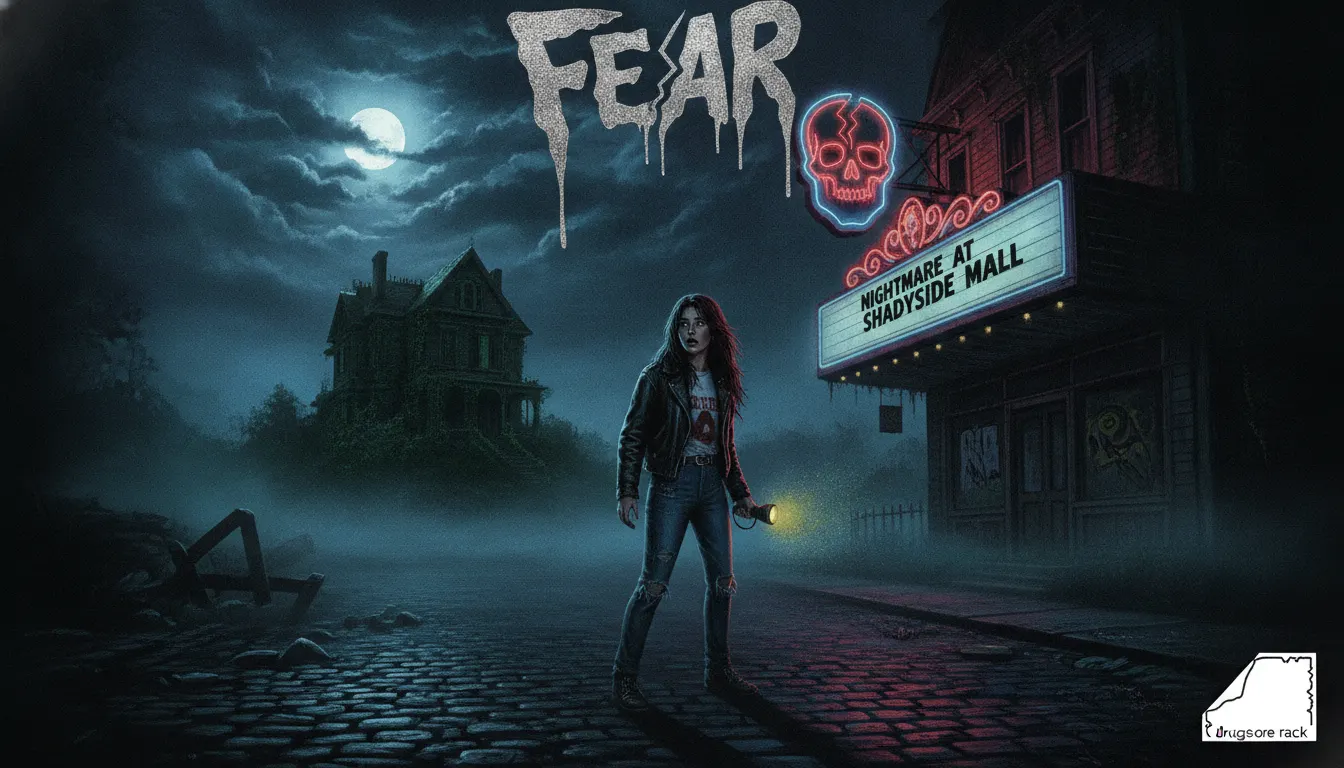
Fear Street: The New Girl (original cover)
Bill Schmidt (illustrator), Scholastic Books · 1989
First Fear Street cover; establishes the hyperrealistic teen-figure formula
RL Stine Fear Street 1990s YA horror paperback cover painted illustration. Foil dripping logo, painted teen-in-peril, neon glow, drugstore-rack horror.
The moves a human crew would use to get here. Cue applies them for you, and knowing their names is how you ask for a change.
Teenage subjects painted with photorealistic skin tones, detailed hair, and precise facial anatomy using airbrush technique over an oil or acrylic underpainting.
Strong light sourced from below or from a single dramatic angle throws unnatural shadows across faces, amplifying horror and distorting familiar features.
Loose, fast brushwork for background environments contrasts with the hyperrealistic figure treatment, creating depth while focusing attention on the subject.
Background areas fall into near-black deep blues, ensuring the brightly lit figure pops against the cover environment and text remains legible.
Electric green, blood red, or blue-purple accent lighting on supernatural elements signals threat origin and differentiates horror from thriller.
Bold sans-serif or display title type in high-contrast colors, often with drop shadow or outline, designed as part of the cover composition rather than overlaid afterward.
The Fear Street series - written by R.L. Stine and published by Scholastic from 1989 onward - generated one of the most recognizable visual styles in American commercial illustration: a painted cover aesthetic that combined hyperrealistic airbrush technique, high-contrast horror lighting, and bold typography to sell teen horror at paperback prices. The covers were painted primarily by Bill Schmidt and Broeck Steadman for the Fear Street line, with Tom Galasinski, Erika Kari, and others contributing to related series.
The Scholastic horror paperback boom of the late 1980s and early 1990s - encompassing Fear Street, Goosebumps (1992), Point Horror, and related titles - coincided with the peak of photorealistic airbrushed illustration in American commercial art before digital tools displaced the medium. The covers needed to work at small thumbnail size in book club catalogs while also commanding attention on spinner racks in Walmart and mall bookstores.
The visual formula: a teenage subject (usually female) in a moment of terror or threat, rendered with hyperrealistic skin tones and hair using airbrush and oil or acrylic paint. Lighting was dramatically theatrical - a single strong source from below or from one side, throwing deep shadows across a face already twisted in horror. The background environment (a shadowy street, a dark school hallway, a foggy night scene) was loosely painted with quick gestural marks, contrasting the hyperrealistic figure treatment with an expressionistic atmospheric setting.
Color played a structural role: the series title Fear Street was set in a specific red-and-black type treatment over the illustration, and publishers coordinated illustration color to ensure text legibility. Backgrounds often fell into deep blue-black, allowing the brightly lit figure to pop. Acid green, blood red, and electric blue appeared as accent colors signaling supernatural threat.
Typography was integral: hand-lettered or phototype bold sans-serif or display fonts in yellow, red, or white, often with drop shadows or outline treatments to punch through complex painted backgrounds.
The Fear Street aesthetic experienced a major cultural revival following the Netflix Fear Street trilogy (2021, dir. Leigh Janiak), which leaned into the period-specific visual language of the original books. The painted cover style is now actively cited in contemporary horror illustration, zine cover design, and horror-adjacent brand identity as a nostalgia signal for millennials who grew up with the books.
Bill Schmidt (illustrator), Scholastic Books · 1989
First Fear Street cover; establishes the hyperrealistic teen-figure formula
Bill Schmidt (illustrator) · 1990
Below-source lighting on female subject; the cover lighting formula at full development
Broeck Steadman (illustrator) · 1991
Holiday horror; high-contrast red-and-green palette over dark atmospheric background
Broeck Steadman (illustrator) · 1994
Multiple-figure composition; gestural atmospheric environment
Leigh Janiak (dir.), Netflix · 2021
Feature film revival explicitly referencing the cover illustration aesthetic in its promotional materials
Tim Jacobus (illustrator) · 1992
Sibling series by R.L. Stine; related painted-cover vocabulary in slightly more cartoonish register
A Look is not a filter. It is a set of stored decisions the pipeline reads before it makes a single frame, so two videos in the same Look actually match.
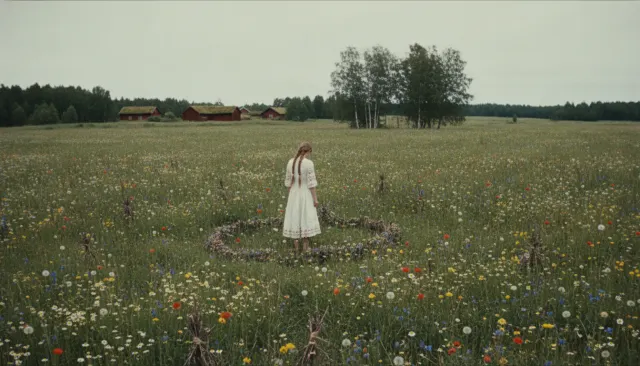 Director Aesthetic ModernAri Aster Folk Horror Eggshell
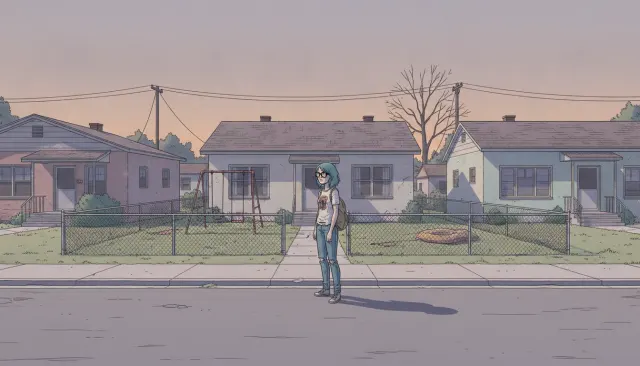 Illustrators ExtendedDaniel Clowes Deadpan Suburban Comic
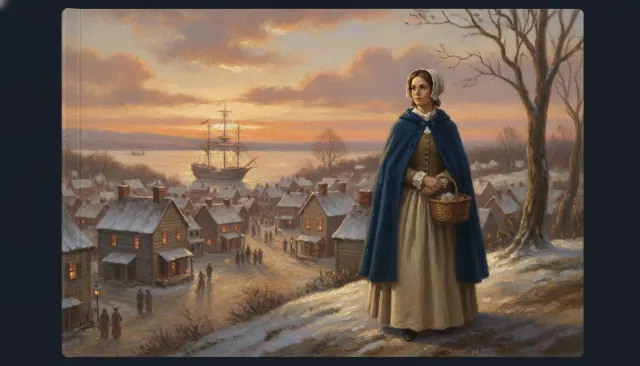 Book Traditions ExtendedAmerican Girl Historical Fiction Cover
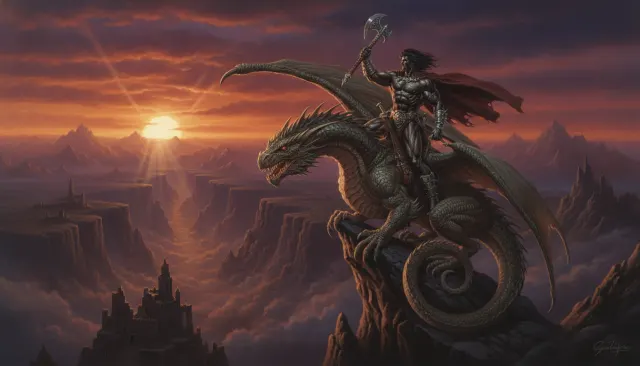 Illustrators NamedBoris Vallejo Fantasy Heroic
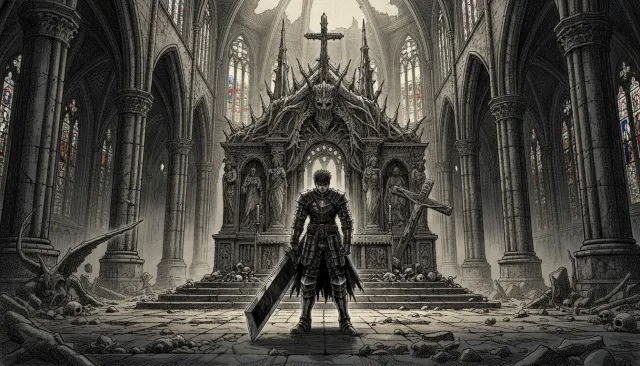 90S Manga AestheticsBerserk Dark Fantasy Ink Detail
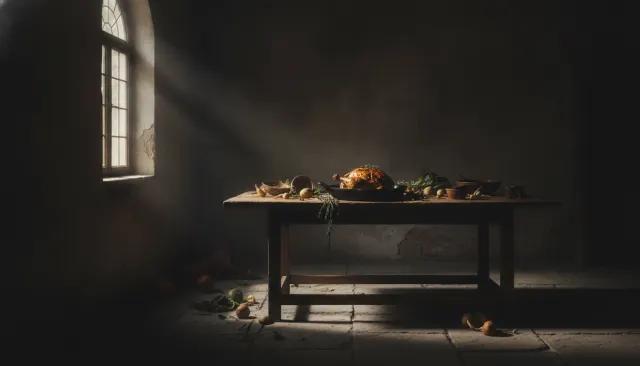 Food Product StillDark Moody Food Photography