Amazon product image requirements documentation
the de facto industry standard since 2012
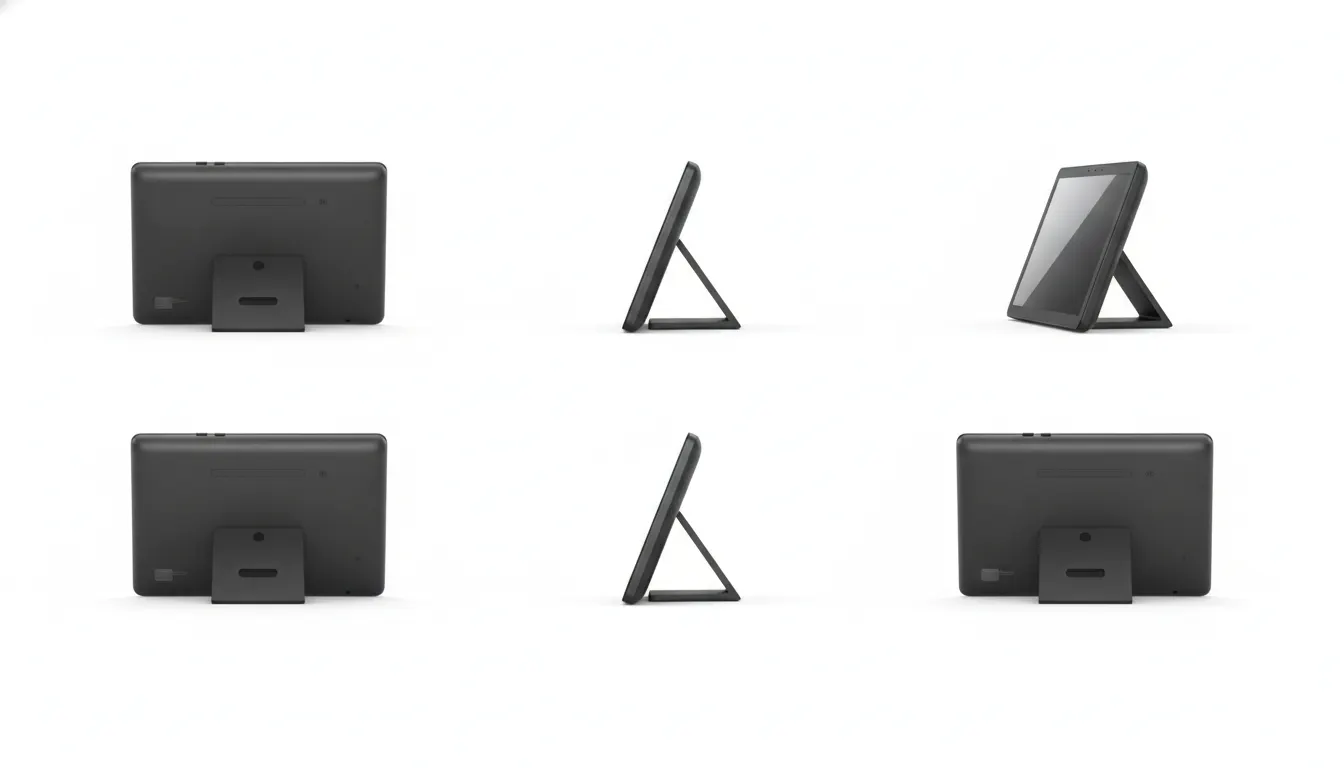
Amazon ecommerce white-background product. Pure white seamless, even shadowless flat-fielding, six-angle catalog standard, marketplace compliance.
The moves a human crew would use to get here. Cue applies them for you, and knowing their names is how you ask for a change.
point lighting: key light, fill light, background lights to blow the sweep without product blowout
dust removal, surface reflection cleanup, label alignment correction
White background product photography is the dominant visual language of global e-commerce. Amazon's image requirements - pure white background (RGB 255,255,255), product filling at least 85% of the frame, no props or text - have effectively standardized the format across all major retail platforms, from Shopify storefronts to Walmart Marketplace. The look prioritizes clarity, comparability, and conversion over aesthetics.
The format predates digital retail. Mail-order catalog photography (Sears Roebuck, J.C. Penney) established the convention in the mid-20th century: products photographed against seamless white paper for maximum print reproduction fidelity. Digital retail platforms inherited and codified this as a technical requirement because white backgrounds render consistently across screens, integrate cleanly into page layouts, and allow algorithmic image processing.
Amazon's A9 and A10 search algorithms factor image quality and compliance into search ranking. The platform's requirement for main images against pure white backgrounds, set in 2012, triggered a global shift in product photography. Amazon requires at minimum a pure white (#FFFFFF) background with no shadows, watermarks, borders, or props. This compliance-driven standard has shaped an entire industry of product photography studios offering volume-based white-background shooting.
Achieving true pure white while retaining product color accuracy requires precise exposure and post-processing. Common approaches include: shooting against a light gray background with overexposure (gray blows to white), clipping path masking in Photoshop for complex shapes (jewelry, transparent products), and color calibration with a Macbeth ColorChecker to ensure product colors match manufacturer specifications. Drop shadows are sometimes reintroduced in post to give the product a sense of ground plane.
Platforms increasingly allow or require lifestyle secondary images alongside the hero white-background shot. Studies by Shopify and Amazon consistently show that the white-background hero drives first-click conversion, while lifestyle images support the purchase decision in multi-image galleries.
the de facto industry standard since 2012
refined white-background style with dramatic key lighting (Jonathan Ive era, 2001-2019)
systematic white-ground approach applied at global scale
A Look is not a filter. It is a set of stored decisions the pipeline reads before it makes a single frame, so two videos in the same Look actually match.