Irving Penn Vogue Studio Work
Irving Penn / Condé Nast · 1943-2000s
Six decades of Vogue studio fashion photography that defined the neutral-ground modernist standard
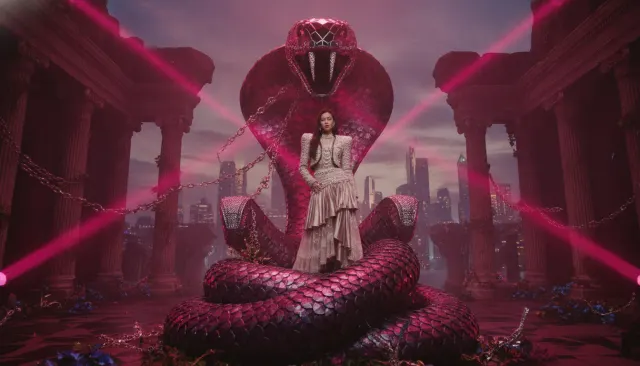
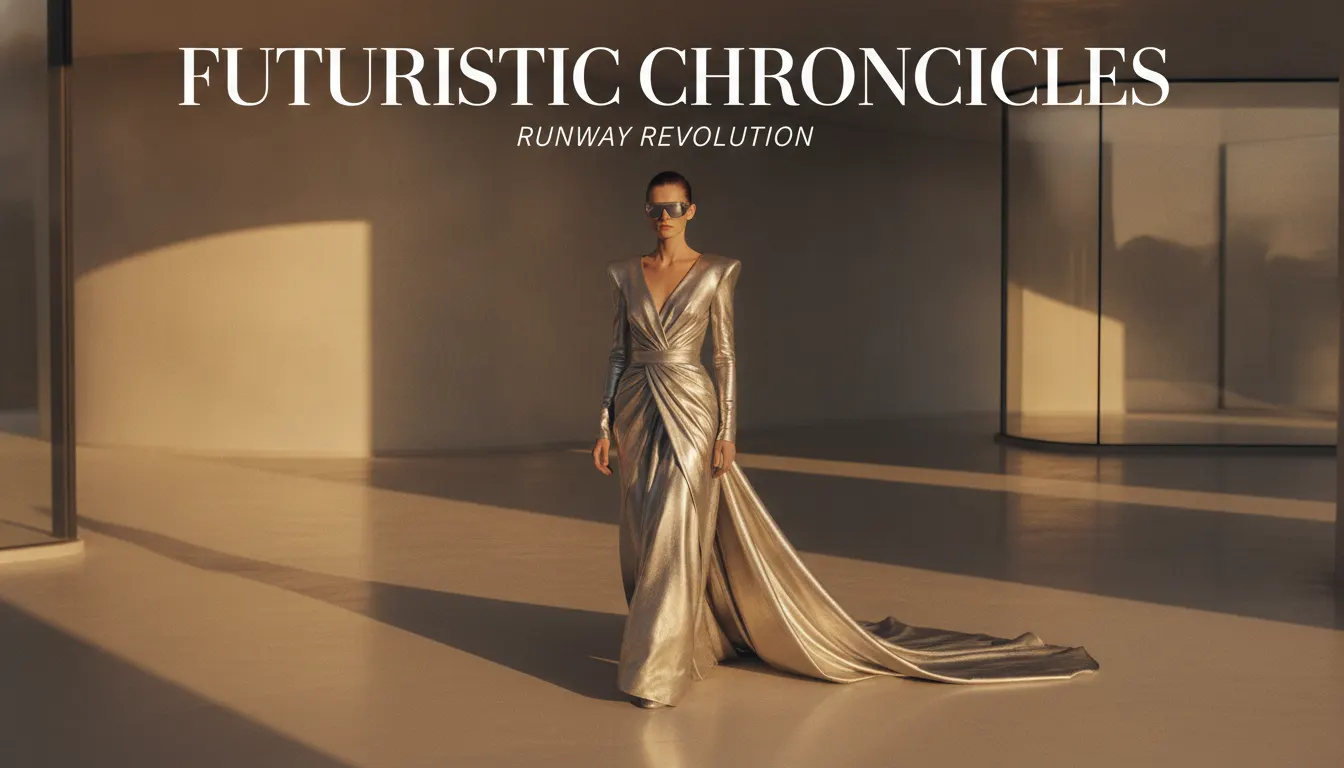
Vogue glossy modernist spread aesthetic. Anna Wintour-era fashion editorial, Didone headline, full-bleed glossy photo, runway-look-of-the-month feature.
The moves a human crew would use to get here. Cue applies them for you, and knowing their names is how you ask for a change.
White or grey seamless paper background lit to pure neutral, eliminating environmental context and isolating the garment.
Fashion photographed to reveal the three-dimensional structure of the garment - the way it falls, drapes, and shapes space.
Images shot on 4x5 or 8x10 view camera (Penn) or medium-format digital equivalents, allowing tonal gradations impossible in 35mm.
Post-production that manages skin texture while preserving the luminous quality of the original lighting.
The photographer's deep understanding of how specific models' proportions amplify or inhibit the garment's design intent.
Images designed to develop across 4-12 pages, each a self-contained composition while contributing to a visual arc.
Vogue's visual identity across its Condé Nast tenure has produced one of the most consistent and globally recognized luxury aesthetic registers in magazine publishing. The glossy modernist look that defines the fashion editorial spread - clean white or neutral backgrounds, architectural garment presentation, high-key strobe lighting, and a compositional vocabulary derived from modernist fine art - was established through the work of art directors and photographers who treated the fashion spread as an opportunity for fine-art production operating within commercial constraints.
Irving Penn (1917-2009) is the photographer most responsible for the Vogue glossy modernist look as it exists today. Beginning at American Vogue in 1943 under art director Alexander Liberman (himself a defining influence on the magazine's visual identity from 1943 to 1994), Penn developed a studio approach that placed fashion garments in the most neutral possible context - plain white or gray paper seamless backgrounds, or later his famous platinum-palladium print backgrounds that had no spatial context at all - and allowed the garment's sculptural qualities to dominate. His still-life work for Vogue and his portrait series (cigarettes, tradespeople) demonstrated that the same formal rigor could be applied across all photographic subjects.
Richard Avedon (1923-2004) brought a more kinetic energy to Vogue fashion photography, particularly in his early Paris work (1947-1964) where models were photographed in motion on Paris streets, at the races at Longchamp, or with elephants at the Cirque d'Hiver. Where Penn isolated his subjects, Avedon placed them in the world. Both approaches contributed to the Vogue visual vocabulary because they shared the same underlying principle: every element of the image is under total compositional control.
Helmut Newton (1920-2004), Patrick Demarchelier (1943-2022), and more recently Steven Meisel and Mario Testino have each extended the tradition while maintaining its core commitment to large-format production, extensive lighting control, and the use of fashion photography as a vehicle for a specific kind of idealized femininity that the magazine's brand has always negotiated.
The Vogue glossy modernist spread is characterized by: high-key or neutral-key studio lighting with extensive softbox or reflective surface control; fashion garments photographed to reveal their sculptural construction; models selected for the way their proportions and physiognomy interact with the garment; post-production that preserves skin luminance while managing texture; and an editorial context of 4-12 pages that allows the look to develop across multiple images. The paper stock - gloss-coated, heavy, with saturated ink reproduction - is integral to the aesthetic; images that look correct on Vogue's stock look flat or overproduced on other surfaces.
From approximately 2015 onward, the glossy modernist look has been challenged within Vogue's own pages by the documentary, lo-fi, and diversity-oriented visual directions of international editions (particularly Vogue India, Vogue Arabia, and British Vogue under Edward Enninful from 2017). The tension between the classic modernist studio look and more contemporary, accessible visual languages has become part of the magazine's own ongoing editorial conversation.
Irving Penn / Condé Nast · 1943-2000s
Six decades of Vogue studio fashion photography that defined the neutral-ground modernist standard
Richard Avedon / Harper's Bazaar and Vogue · 1947-1964
Kinetic Paris street fashion photographs that introduced motion and environment to high-fashion editorial
Richard Avedon / Harper's Bazaar · 1955
The single most reproduced fashion photograph - a Dior evening gown between two elephants at the Cirque d'Hiver
Helmut Newton / Vogue Paris · 1970s-1990s
Fashion photography that introduced S&M codes and architectural luxury interiors to the glossy modernist register
Patrick Demarchelier · 1990s
Royal portraiture that demonstrated glossy modernist values applied to the softest and most accessible possible subject
A Look is not a filter. It is a set of stored decisions the pipeline reads before it makes a single frame, so two videos in the same Look actually match.