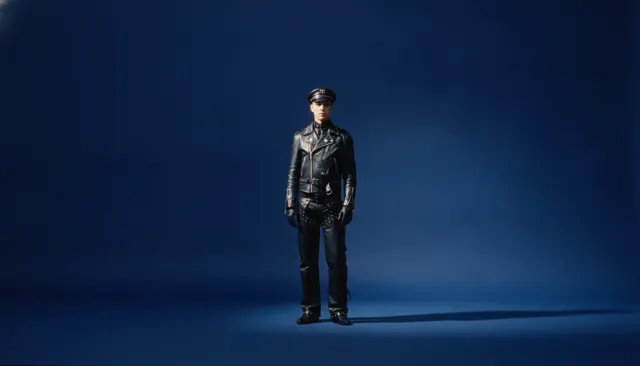
Demi Moore Pregnant Cover
Annie Leibovitz / Vanity Fair · 1991
The cover that redefined what celebrity portraiture could do commercially and culturally
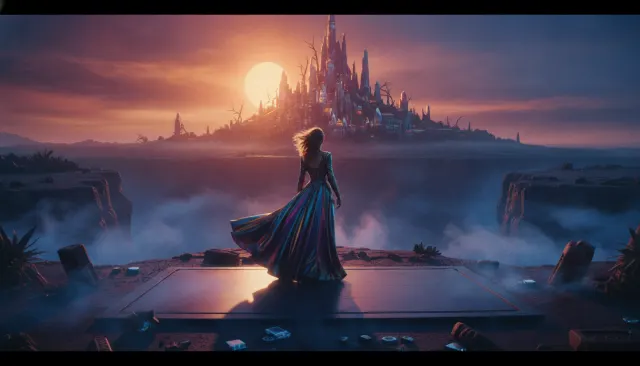
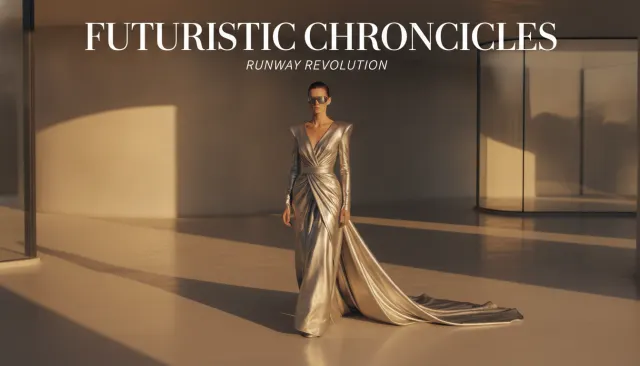
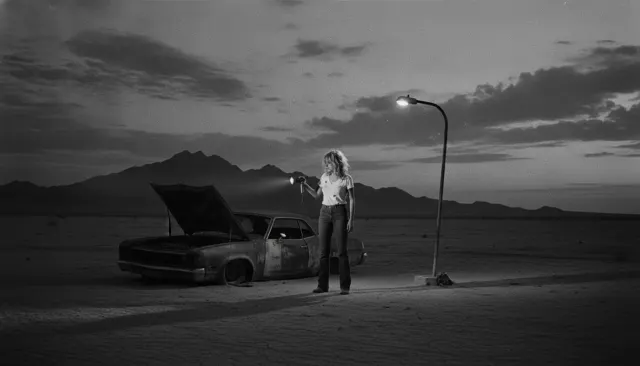
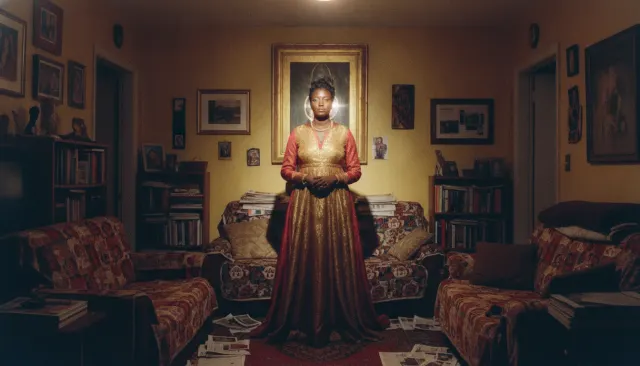
Vanity Fair celebrity portrait spread aesthetic. Annie Leibovitz photo lineage, lush color portrait, oversized display serif headline, Hollywood-issue group portrait staging.
The moves a human crew would use to get here. Cue applies them for you, and knowing their names is how you ask for a change.
Octobox or large diffused strobe producing window-light quality; subject appears lit naturally despite complex studio setup.
Portrait composed for the magazine cover format with clear sky or neutral space at top for title typography.
Elaborate set construction or location scenario combined with a quality of apparent unguarded subject access.
Single editorial spread covers 3-6 pages with costume and setting changes, building a dimensional portrait across the sequence.
Post-production skin work that removes blemishes and softens texture while maintaining the illusion of photographic directness.
Images composed for the specific spatial luxury of a full-bleed magazine spread - proportions that don't translate cleanly to digital.
Vanity Fair's visual identity in its Condé Nast reinvention (relaunched 1983 under editor Tina Brown) has been defined by a specific mode of celebrity portraiture that sits at the intersection of fine-art photography, fashion editorial, and tabloid access. The look synthesizes studio control with apparent naturalism, lavish production values with emotional intimacy, and the iconographic scale of magazine covers with the personal specificity of portrait photography.
Annie Leibovitz (b. 1949) has been the single most important photographer in defining the Vanity Fair portrait aesthetic. Her long association with the magazine, beginning in the early 1980s, produced many of the most reproduced and culturally significant celebrity portraits of the late twentieth century. Her Demi Moore nude pregnant cover (August 1991, art directed by Janet Froelich) was the image that most dramatically demonstrated the magazine's willingness to use portraiture as cultural provocation - the image was both widely banned from newsstands and widely circulated, establishing the pattern of controversy-as-traffic that Vanity Fair covers exploited throughout the 1990s.
Her portraits of John Lennon and Yoko Ono for Rolling Stone (1980, photographed hours before Lennon's murder) and her Whoopi Goldberg bathtub portrait (1984, for VF) are among the images that established her visual approach: elaborate conceptual setups combined with a quality of apparent emotional access to the subject.
Helmut Newton (1920-2004) contributed a colder, more fetishistic European fashion-photography sensibility to VF's portrait work, particularly in the 1980s and early 1990s. His images placed subjects in luxury architectural settings with the controlled tension of fashion advertising rather than the warmth of editorial portraiture.
Mark Seliger replaced Leibovitz at Rolling Stone and contributed extensively to VF from the 1990s onward, bringing a cleaner, more graphic approach to the celebrity portrait. Bruce Weber's work for the magazine used softness, intimacy, and a documentary-adjacent quality.
The Vanity Fair portrait spread is characterized by: elaborate multi-day location or studio shoots often involving custom set construction; multiple costume changes and styling contexts within a single spread; a cover image designed at vertical magazine-cover format (typically 8.5 x 11 inches) with headline space at top; and an accompanying spread that provides the 3-5 image editorial context the single cover image cannot carry alone. Lighting is sophisticated - typically a primary large-format strobe source (a Broncolor Scoro or Profoto Pro pack with a large octobox or beauty dish) supplemented by fill and rim lights, producing images that read as natural-light close-ups despite requiring complex setups. Skin retouching in the post-digital era is extensive but intended to appear minimal.
Annie Leibovitz / Vanity Fair · 1991
The cover that redefined what celebrity portraiture could do commercially and culturally
Annie Leibovitz / Rolling Stone · 1980
Portrait taken hours before Lennon's murder - the most historically charged celebrity photograph of the era
Annie Leibovitz / Vanity Fair · 1984
Conceptual portrait in bathtub of milk - established the elaborate-setup + emotional-access formula
Annie Leibovitz / Vanity Fair · 1995-present
Annual awards-season Hollywood issue with multi-star gatefold covers that became an institution
Helmut Newton / Vanity Fair · 1983-early 1990s
European architectural luxury-setting portraits that introduced fashion-photography cold to editorial warmth
A Look is not a filter. It is a set of stored decisions the pipeline reads before it makes a single frame, so two videos in the same Look actually match.