Owlboy
D-Pad Studio, November 2016 (PC); Switch/PS4/Xbox One 2018
Owlboy hand-crafted detailed pixel aesthetic. D-Pad Studio nine-year labor of love, floating sky island parallax, painterly pixel detail per sprite.
The moves a human crew would use to get here. Cue applies them for you, and knowing their names is how you ask for a change.
frame character animation: Otus has dozens of flight states, emotional reactions, and carrying positions
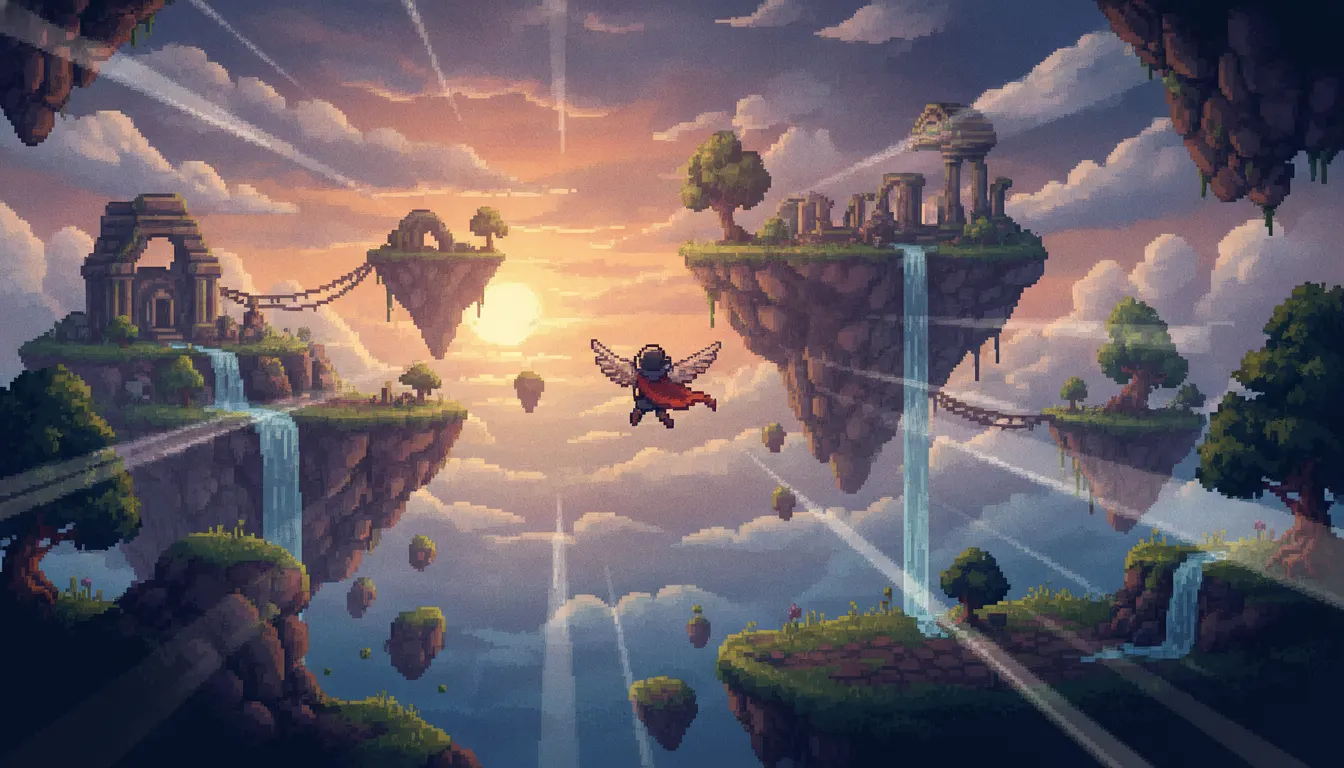
first composition: floating islands in open blue sky with multi-layer cloud depth parallax
each biome uses a constrained signature palette preventing visual confusion across zones
faction affiliation readable in costume palette alone
posture, head angle, and eye-sprite direction carry full narrative emotional range
dozens of stone, vegetation, and ruin tile variants preventing environmental repetition
intimate character sprite sizes contrasted against wide-sky panoramic backgrounds
Owlboy was developed by Norwegian studio D-Pad Studio over approximately nine years, releasing in November 2016. When it finally launched, it arrived with a reputation to match: a pixel art game that had become legendary in indie development circles before anyone had played it, because the work-in-progress screenshots shared over years of development showed a level of pixel art detail, character animation quality, and environmental richness unprecedented in the indie space at the time.
Svein Olav Høst, the lead pixel artist, spent the development period creating sprite work of a density and quality that professional pixel artists considered a benchmark achievement. Characters like Otus - the young Owlboy protagonist - are small figures but animate with dozens of frames covering flight states, emotional reactions, carrying positions, and environment interactions. Every NPC has a unique idle animation. Enemy types have elaborate attack choreographies. The investment of time is visible in every frame.
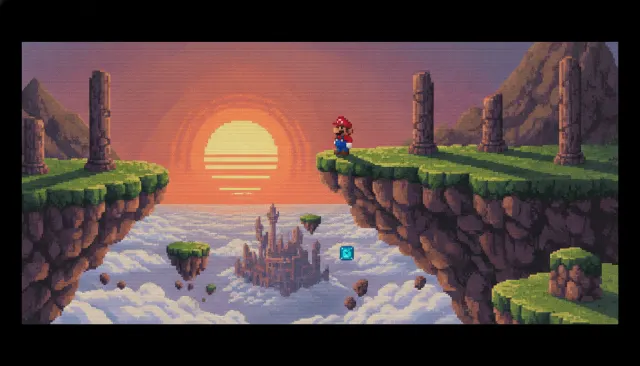
The world of Owlboy is a sky-archipelago: floating islands, cloud temples, and ancient ruins suspended in open blue sky. This vertical orientation gave the pixel environment artists unusual creative latitude - scenes are often composed with sky as the primary visual element, clouds as atmospheric layers, and distant islands as depth cues. Tilesets for the sky islands include dozens of unique stone, vegetation, and ruin variants that prevent repetition across large environments.
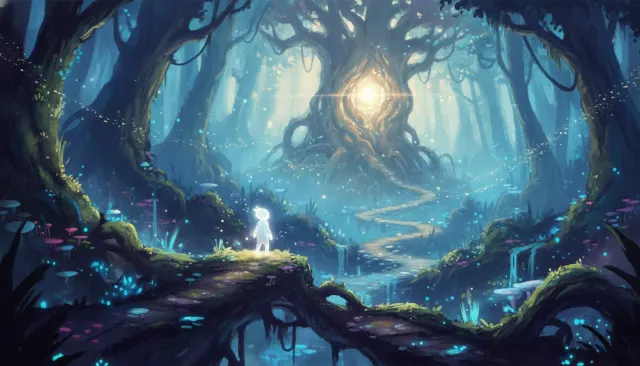
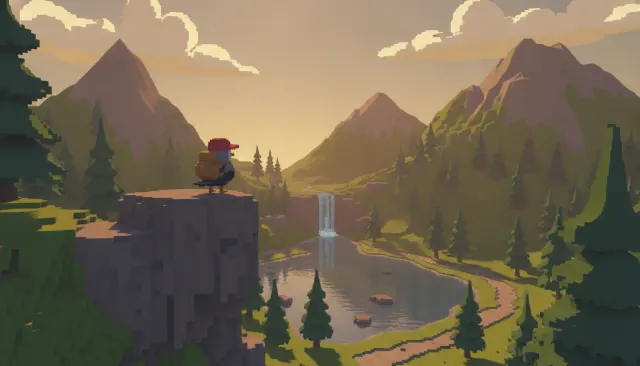
Despite the density of detail, Owlboy maintains strong color discipline. Each area uses a constrained palette: the opening sky village is warm beige and blue; underground ruins shift to deep teal and gold; the interior of ancient mechanisms is all brass and amber. Characters are color-coded by faction and personality - Otus in grey-white owl coloring, Geddy in warm orange and teal, Alphonse in muted military green.
Owlboy's narrative - about a mute boy who cannot speak in a world that values verbal intelligence - is told through pixel animation alone in its most important moments. Otus's posture, head tilt, and eye-sprite direction carry emotional nuance that writers would spend paragraphs conveying. This emotional pixel expressiveness is the rarest and most technically demanding quality of the look.
D-Pad Studio, November 2016 (PC); Switch/PS4/Xbox One 2018
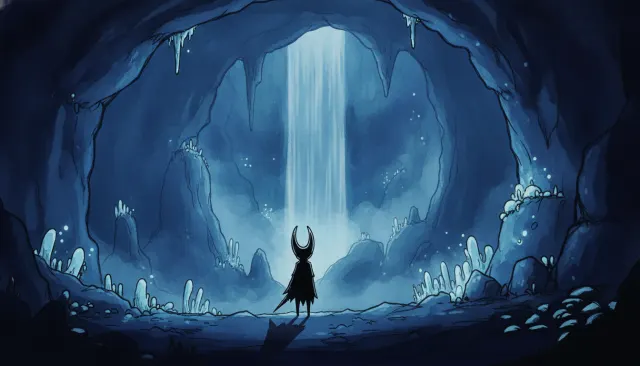
Team Cherry, 2017 - parallel indie pixel art achievement in the same development-era wave
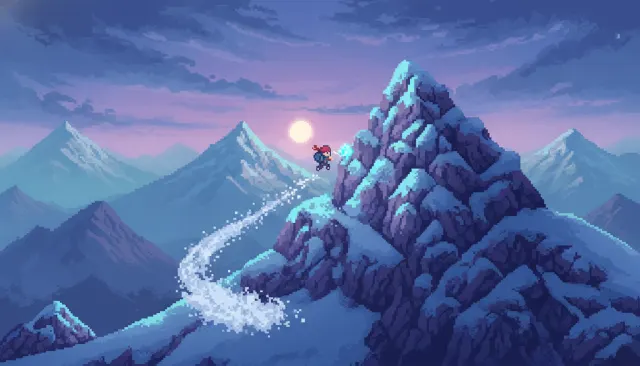
Extremely OK Games, 2018 - indie pixel art excellence with comparable craft investment
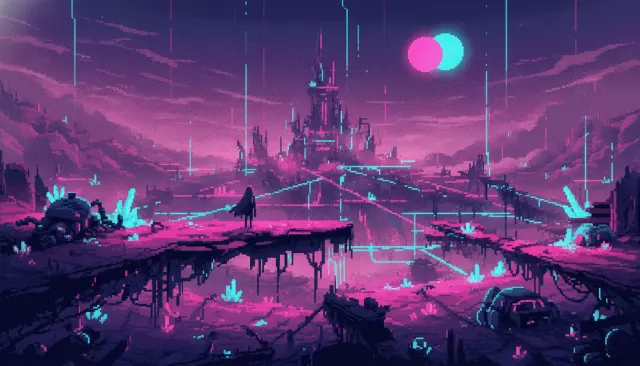
Heart Machine, 2016 - neon-pixel peer releasing in the same year
Yacht Club Games, 2014 - the indie pixel art achievement that preceded and encouraged this era
Daisuke Amaya (Pixel), 2004 - the one-man pixel platformer that set the template for indie pixel art games
Joakim Sandberg, 2018 - another single-developer long-developed pixel platformer of the same era
A Look is not a filter. It is a set of stored decisions the pipeline reads before it makes a single frame, so two videos in the same Look actually match.