Ori and the Blind Forest
Moon Studios / Microsoft Studios, March 2015 (Xbox One/PC); Definitive Edition 2016
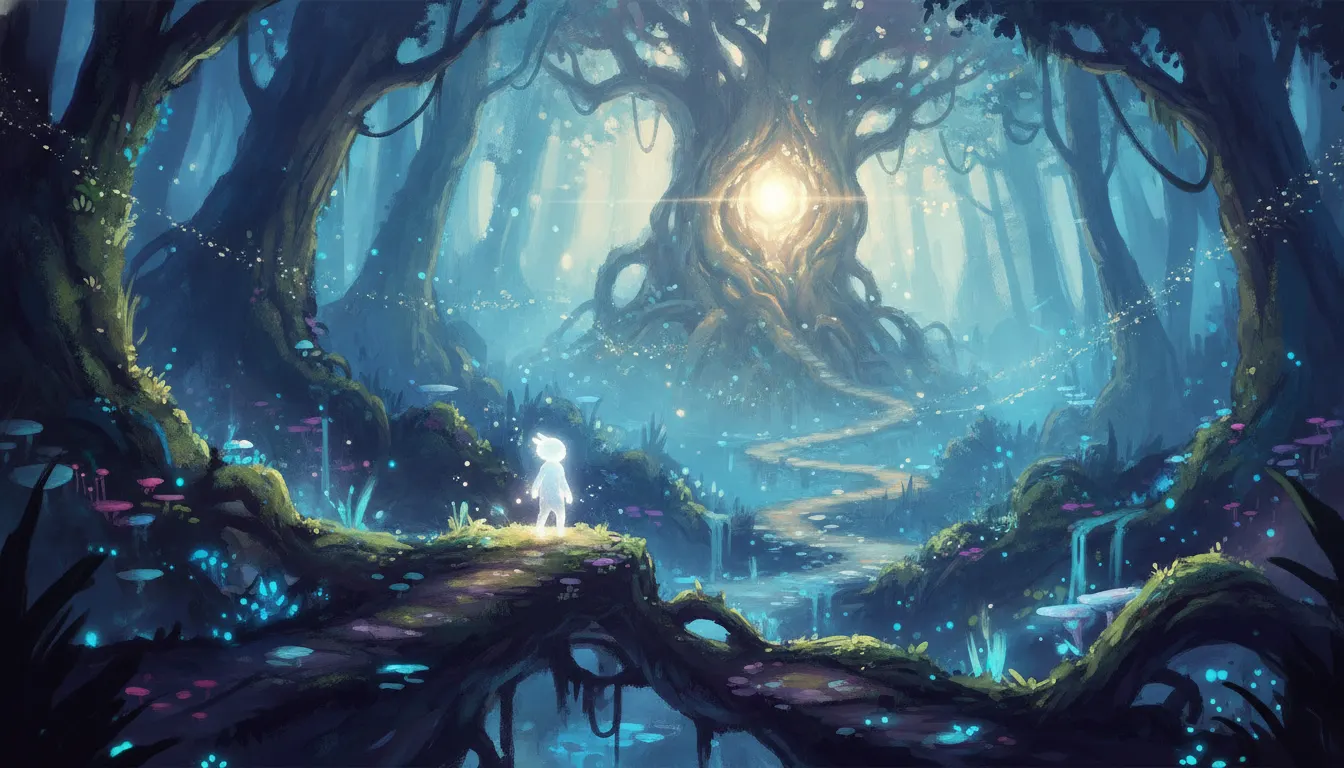
Ori and the Blind Forest Moon Studios luminous aesthetic. Glowing spirit guardian platformer, painterly bioluminescent forest, emotional orchestral metroidvania.
The moves a human crew would use to get here. Cue applies them for you, and knowing their names is how you ask for a change.
as-hope color language: corrupted areas are desaturated grey-brown; restored areas burst with vivid color
painted forest environments - scale contrast as emotional device
layer hand-painted backgrounds: watercolor wash base, oil-detail midground, particle foreground
spores, light rays, and creature trails colored to area emotional state
orbiting light companion creates moving light source in dark environments
canopy god rays: directional light shafts filtered through forest ceiling layers
dead zones near-monochrome; living zones in full warm saturation
Moon Studios' Ori and the Blind Forest (Microsoft Studios, March 2015) arrived as one of the most visually arresting games of the decade. A small Austrian studio working remotely across multiple countries, Moon Studios produced a hand-painted Metroidvania where light itself was the primary storytelling instrument - a design philosophy that earned universal acclaim and established luminous painterly environmental art as its own game aesthetic category.
The world of Nibel is a forest rendered in layers of hand-painted watercolor and oil-painting-style backgrounds, with Ori - the white glowing spirit protagonist - moving through them as a point of radiant light. The design operates on a systematic color principle: darkness represents danger, illness, and grief; light represents safety, life, and hope. The corrupted areas of the forest are desaturated grey-brown, almost dead in color, while areas touched by the Spirit Tree's light explode with vivid greens, blues, magentas, and golds.
Ori is simultaneously the lightest element in any scene and the smallest. This inversion of conventional game protagonist sizing is a deliberate choice: Ori is a spirit, not a warrior, and her tiny luminous form navigating a vast ancient forest creates a sense of natural scale and vulnerability that emotional Metroidvanias before had not achieved. Sein, the eye-shaped light spirit companion, functions as both game mechanic and visual light source - its orbiting presence creates dynamic local illumination.
The visual engine built for Ori generates continuous ambient particle systems: spores drifting in forest clearings, light rays filtering through leaf canopy, glowing creatures leaving bioluminescent trails. These particles are colored to match the emotional state of each area. The system was hand-tuned by art director Gennadiy Korol to ensure no area felt visually inert even at rest.
The Ginso Tree escape sequence - a vertical rush upward through a flooding tree interior - is frequently cited as one of the most visually and emotionally intense sequences in games. The pure blue water surge against Ori's white glow, combined with Gareth Coker's orchestral score crescendo, exemplifies the look's capacity for emotional impact beyond pure visual craft.
Moon Studios / Microsoft Studios, March 2015 (Xbox One/PC); Definitive Edition 2016
Moon Studios / Xbox Game Studios, 2020 - sequel with expanded palette and more biomes
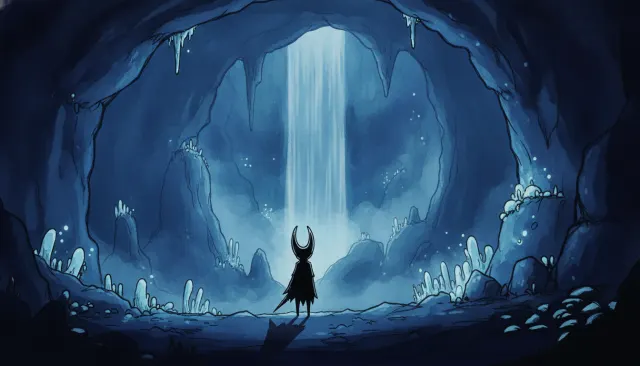
Team Cherry, 2017 - gothic counterpart in the same hand-painted Metroidvania genre
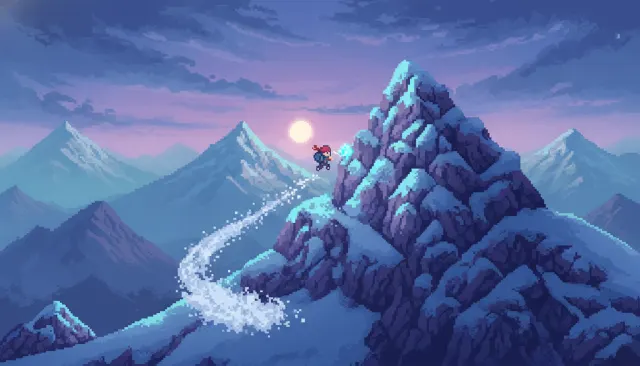
Extremely OK Games, 2018 - painterly pixel platformer peer with different emotional vocabulary
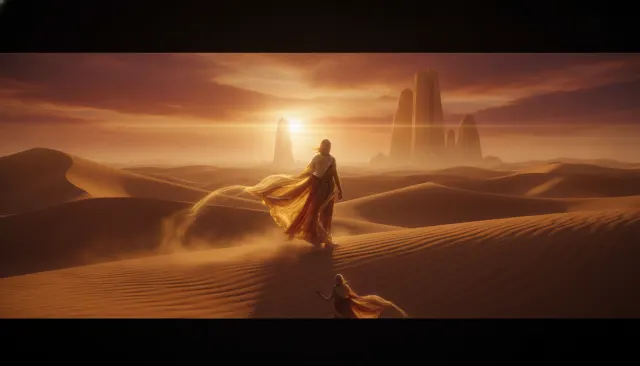
Devolver Digital / Nomada Studio, 2018 - light-and-color-as-grief visual parallel in a different medium
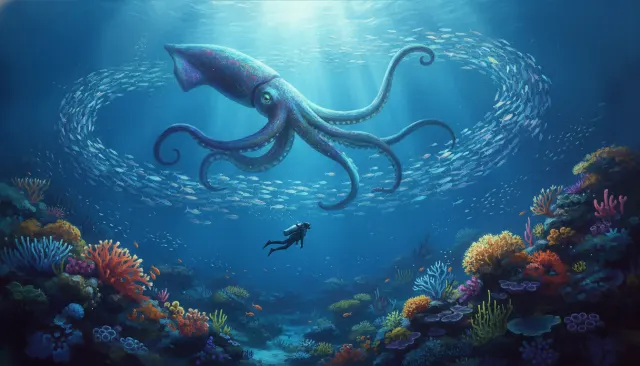
Giant Squid, 2016 - luminous underwater counterpart, same sense of small protagonist in vast beautiful world
Ubisoft Montpellier, 2013 - hand-painted platformer predecessor in luminous environmental artistry
A Look is not a filter. It is a set of stored decisions the pipeline reads before it makes a single frame, so two videos in the same Look actually match.