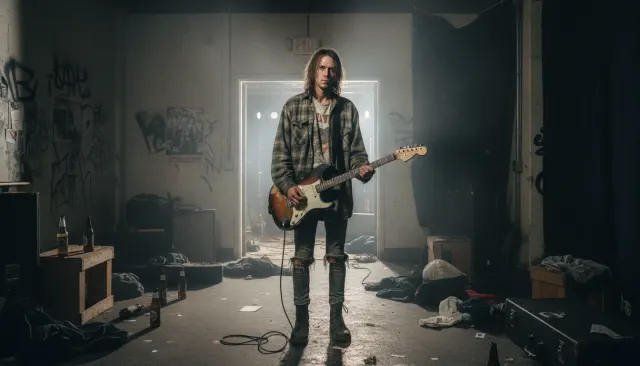
Arctic Monkeys MySpace page : band that broke via MySpace before signing a deal
2005
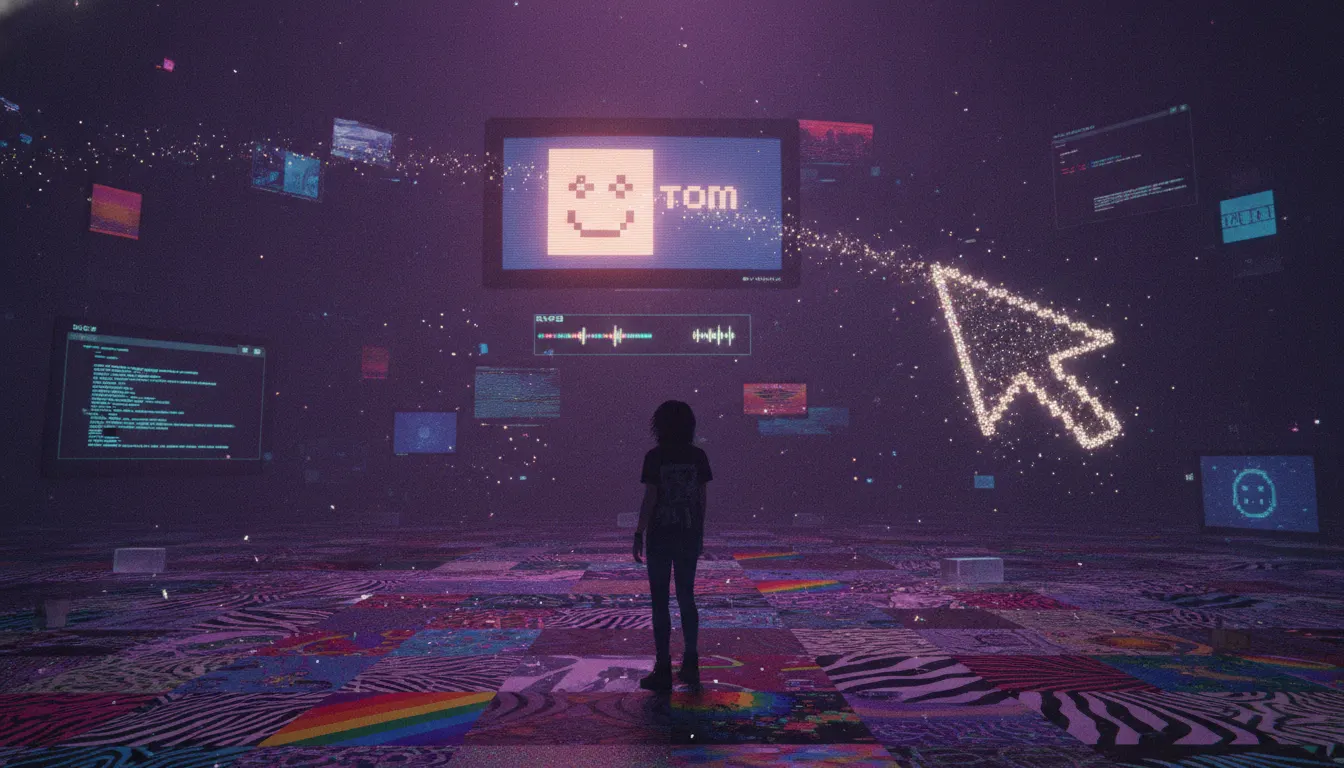
MySpace custom CSS profile aesthetic. Tom-is-my-friend default friend, autoplay embedded MP3, glittery cursor, tiled background image, scene-kid emo profile chaos.
The moves a human crew would use to get here. Cue applies them for you, and knowing their names is how you ask for a change.
a single photograph or pattern repeated to fill the browser viewport
transparent overlaid boxes: dark-background text containers floating above busy patterns
glitter, sparkle, and motion elements embedded as profile decorations
Flash music players with custom skins loading on page entry
the standard pointer replaced with stars, hearts, or trail animations
MySpace was founded in 2003 by Tom Anderson and Chris DeWolfe in Santa Monica, California. At its peak from 2005 to 2008, MySpace had over 100 million accounts and was the most-visited website in the United States. Its defining feature - and the source of its distinctive aesthetic - was allowing users to customize their profile pages with HTML, CSS, and embedded media, creating a user-generated visual culture unlike anything that had existed on the web before.
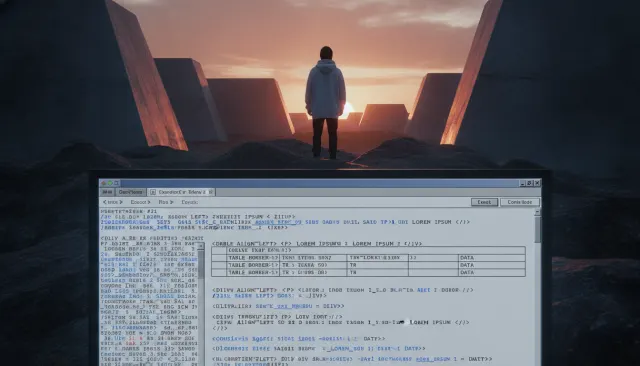
MySpace profiles were built on top of a default table-based HTML layout that users could override with injected CSS. Because the platform did not sanitize this input (a decision that caused significant security problems but an extraordinary cultural byproduct), users had nearly complete control over their page's visual appearance. A typical heavily customized profile might feature: a tiled background image of a band's album art or a personal photograph, an autoplay song from the user's 'Top 8' playlist, custom cursor effects, animated GIF decorations, and a color scheme that overrode every default element.
The resulting aesthetic was maximalist by design. Profiles competed for attention within a social feed where every element could be customized, so the incentive was always toward more - more color, more animation, more personality signal. Common visual patterns included: semi-transparent overlaid text boxes (often with dark backgrounds for legibility against busy tile patterns), glitter or sparkle GIF animations, layout overrides using negative z-index values to layer elements above the standard chrome, and embedded Flash media players with custom skins.
Tom Anderson ('Tom from MySpace'), the co-founder who became every user's automatic first friend, maintained a deliberately simple profile that served as the platform's default visual benchmark, making the contrast with heavily customized profiles immediately apparent.
MySpace custom CSS was the first large-scale encounter with personal web design for a generation of users who had previously had no access to HTML. It produced an enormous informal education in web technologies - millions of teenagers learned CSS through trial and error on their MySpace profiles. The aesthetic it generated was messy, personal, expressive, and often technically adventurous in ways that corporate web design never was.
MySpace's decline began with Facebook's network expansion in 2006-2007 and accelerated sharply through 2008. News Corp acquired and then sold the company at a significant loss. The aesthetic lives on as a nostalgia marker and in the visual languages of vaporwave, lofi hip-hop aesthetic, and indie web revival movements of the 2020s.
2005
2006
2006
A Look is not a filter. It is a set of stored decisions the pipeline reads before it makes a single frame, so two videos in the same Look actually match.