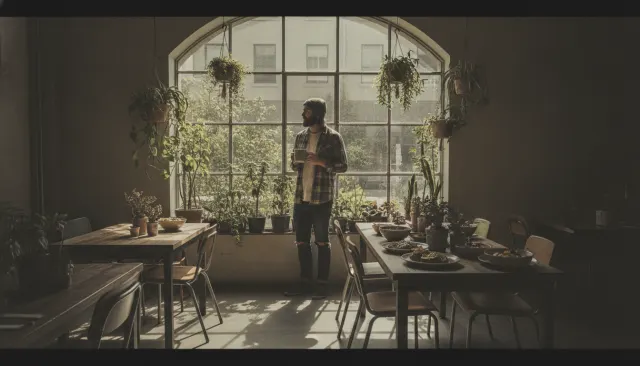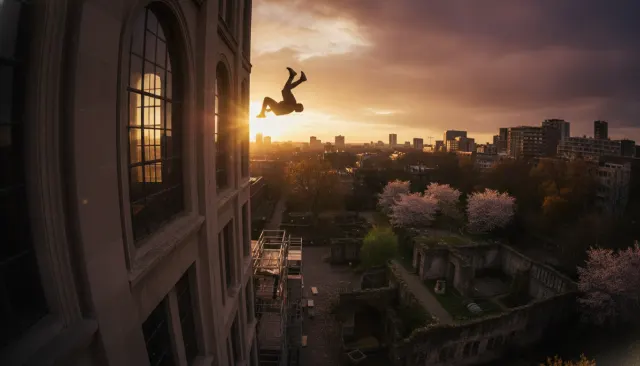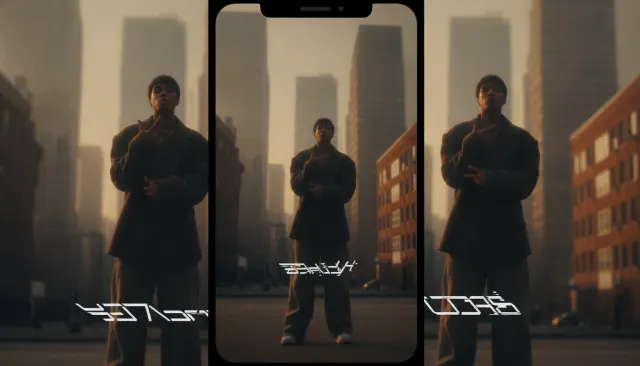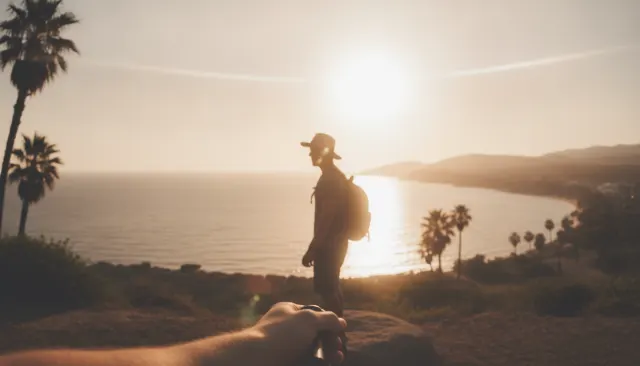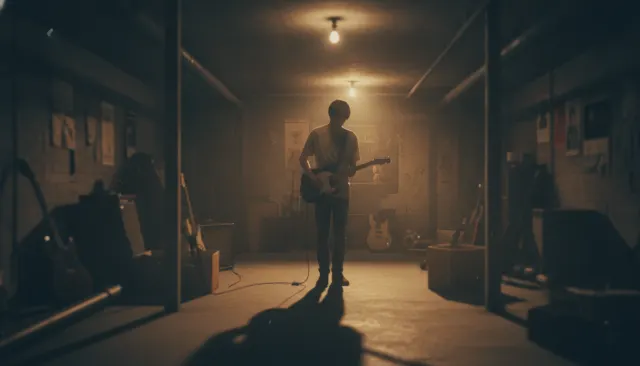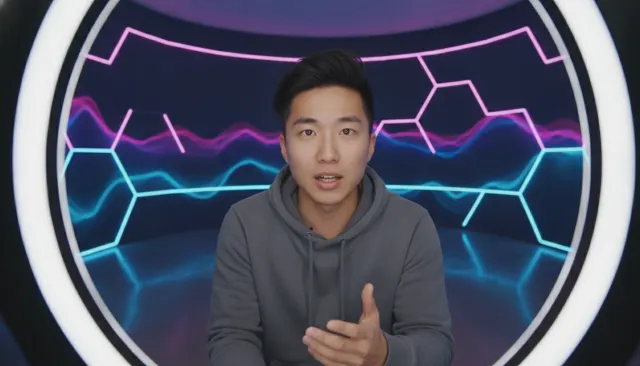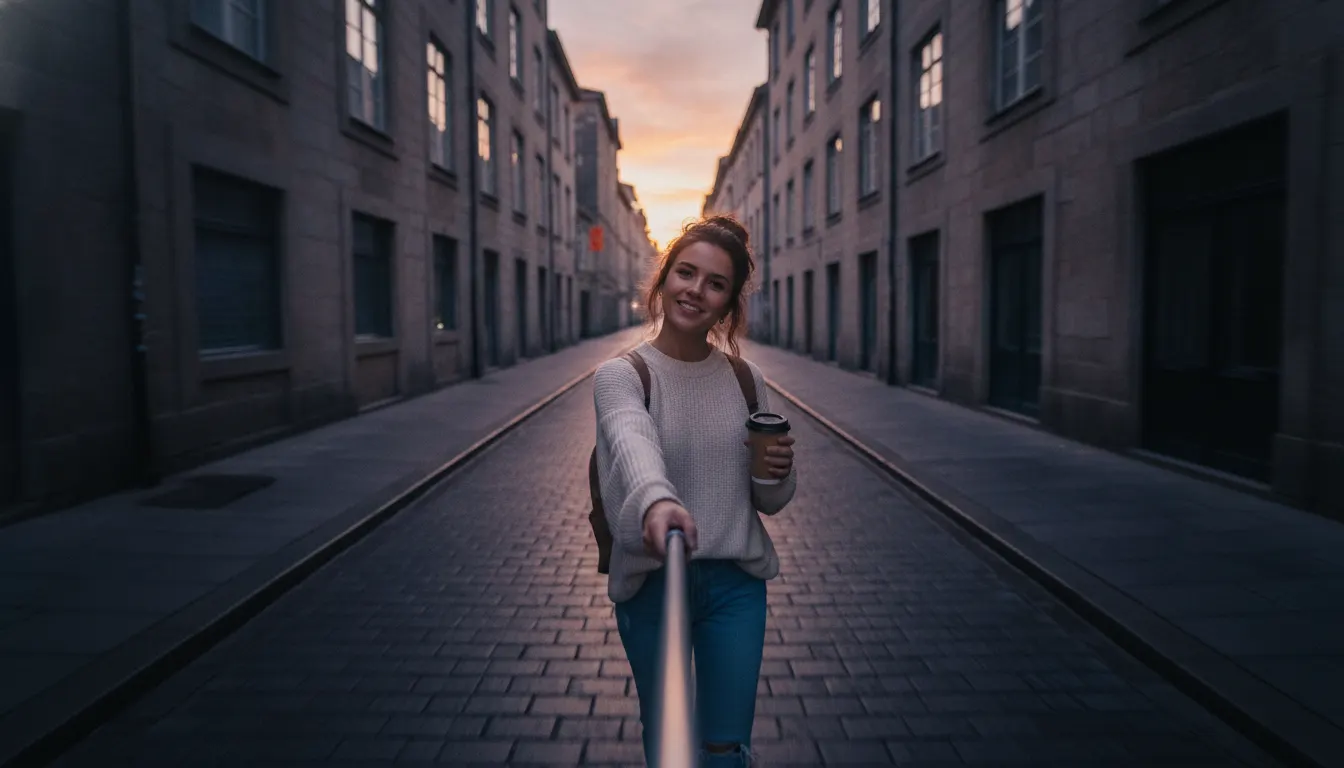
Charli D'Amelio Daily Vlog series (TikTok)
Charli D'Amelio · 2020
The archetype - front camera, 15-60 second casual daily format, computational iPhone HDR
iPhone front-cam vertical vlog. Selfie-arm framing, computational HDR, casual outfit-of-the-day, get-ready-with-me intimacy.
The moves a human crew would use to get here. Cue applies them for you, and knowing their names is how you ask for a change.
Creator holds phone at arm's length, face in upper third, environment behind - the universal vertical vlog compositional grammar.
Apple Smart HDR produces overly smooth, shadow-and-highlight balanced skin that reads as intimately lit but computationally smoothed.
Speed ramp technique that accelerates through mundane moments and slows on emphasis points - the native vertical edit rhythm.
Transcription-generated captions displayed over video for silent viewing, often with word-by-word pop-on timing.
Platform-native trending sound or licensed track applied to content to boost algorithm distribution.
Hard cuts mid-sentence removing filler words, creating a rapid-fire elliptical delivery that increases information density.
The iPhone vertical vlog is the native visual language of social media in the 2020s. It was not designed by any director or cinematographer; it emerged from the intersection of TikTok's mandatory 9:16 vertical format, the iPhone front camera's simultaneous improvement in optical quality and computational processing, and the creator economy's demand for authentic low-friction content production.
The iPhone front camera underwent a fundamental transformation between iPhone 6 (2014) and iPhone 15 (2023). In 2014, the front camera was a 1.2MP unit considered too low quality for primary content. By 2023, the iPhone 15 front camera captures 4K/60fps at 12MP with LiDAR-assisted face tracking, autofocus, and Apple's Photonic Engine computational processing pipeline. The gap between front-camera and rear-camera quality has functionally collapsed for vertical social content, and many creators prefer the front camera specifically because it allows real-time monitoring of composition during capture.
Apple's Smart HDR and Deep Fusion systems apply machine learning to merge multiple simultaneous exposures at capture, producing a result that appears more evenly exposed than optical physics would allow. Indoor subjects are correctly exposed even when bright windows appear in the background; skin tones retain detail in both shadow and highlight simultaneously. The result is an image that reads as more visually pleasing than a traditional camera can achieve but that also looks distinctly "computational" - overly smooth skin, micro-contrast reduction in faces, and a slight unreality in the highlight-shadow balance that trained eyes recognize immediately.
The selfie-arm position - front camera held at arm's length, slightly elevated above eye level, often slightly to one side - produces a specific compositional grammar: the creator's face in the upper center or upper-right third, the room or environment in the lower two-thirds behind them. This creates an intimate over-the-shoulder proximity that is the vertical vlog's defining relationship with its viewer. The hand-held imprecision is read not as technical failure but as access and authenticity.
Vertical vlog content is typically edited on iPhone-native or Instagram-native tools: CapCut, InShot, Final Cut for iPad, or directly in Instagram Reels or TikTok's edit tools. Jump cuts, captions burned in by AI transcription, speed ramps (often the CapCut "velocity edit" preset), and trending audio tracks are the editing vocabulary. The look and the edit grammar are inseparable: the vertical format demands text captions because significant viewership is with sound off.
The vertical vlog is the primary medium of parasocial relationship-building for creators on TikTok, Instagram Reels, and YouTube Shorts. The front-camera selfie-arm position physically mimics the posture of a FaceTime call or a phone conversation, creating involuntary intimacy signals that traditional broadcast framing cannot generate.
Charli D'Amelio · 2020
The archetype - front camera, 15-60 second casual daily format, computational iPhone HDR
Emma Chamberlain · 2018
Transitional form - landscape YouTube vlog with jump-cut grammar that migrated into vertical format
MKBHD · 2022
Technical demonstration of computational iPhone camera quality, showing front vs rear and AI processing
Apple Inc. · 2023
Official marketing content demonstrating the front camera's 4K Cinematic mode capability
Sabrina Carpenter · 2022
Celebrity-native vertical vlog demonstrating the format's crossover from creator-native to mainstream entertainment
Olivia Rodrigo / Apple TV+ · 2023
Behind-the-scenes iPhone footage integrated into professional documentary, demonstrating the format's documentary legitimacy
A Look is not a filter. It is a set of stored decisions the pipeline reads before it makes a single frame, so two videos in the same Look actually match.