MAGAZINE PRINT DESIGN · 1990S · USA
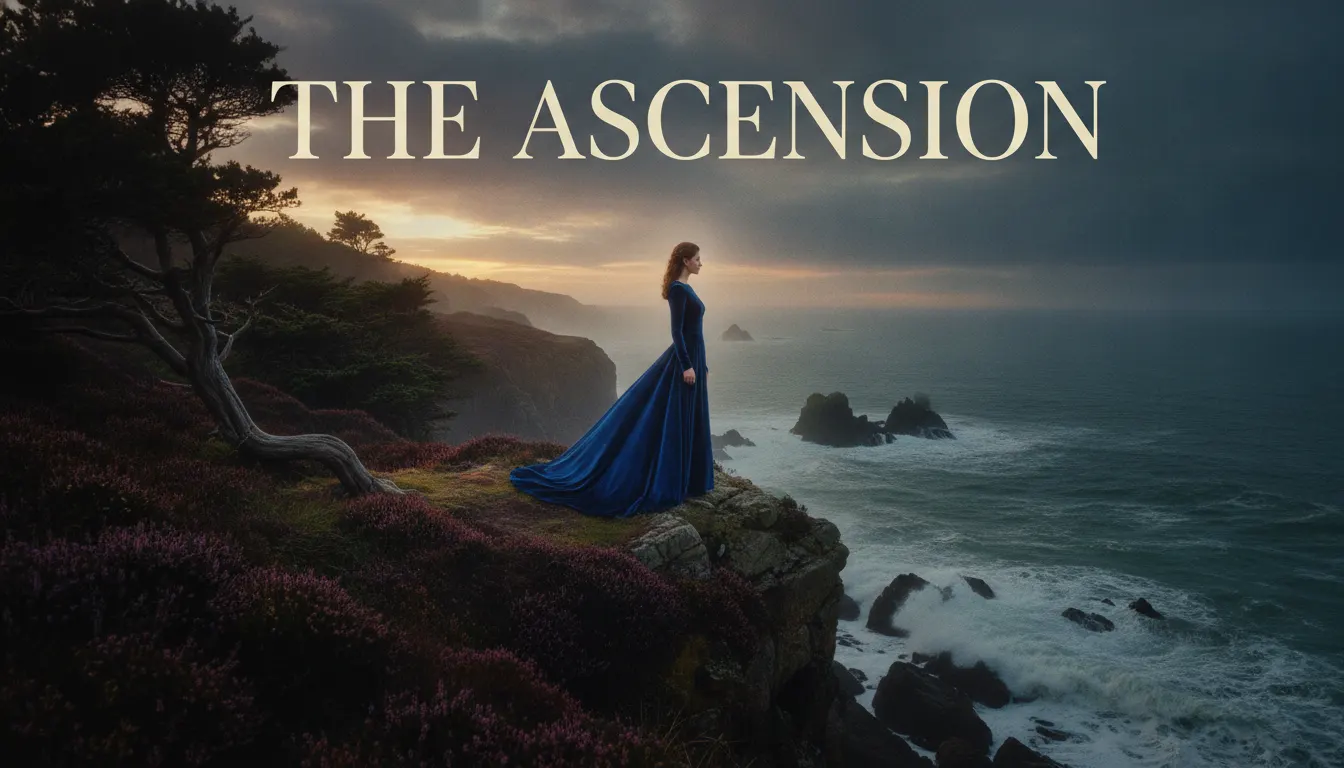
Fashion Magazine Glamour Spread
Vogue and Vanity Fair glamour spread. Annie Leibovitz environmental portrait, large Didone headline, lush color photography, full-bleed cover star.
glamoureditorialfashion-magazinelush
LUT vogue-glamour-warm
WHEN TO USE
- Luxury fashion or beauty brand content for premium audiences
- Product launches for apparel, accessories, or beauty in the premium or prestige segment
- Music video concepts drawing on the high fashion editorial tradition
- Brand content for hotels, hospitality, or lifestyle brands positioning for aspirational audiences
- Portrait content for celebrities or public figures where idealization is the goal
- Any content where glamour and constructed aspiration are appropriate messages
WHEN NOT TO USE
- Authentic, documentary, or real-body content where the constructed ideal creates dissonance
- Mass-market or accessible brand content where high-fashion inaccessibility alienates
- Editorial content addressing serious social, political, or health topics
- Youth-culture content where the glossy legacy magazine aesthetic reads as irrelevant
SIGNATURE TECHNIQUES
How the look is made.
The moves a human crew would use to get here. Cue applies them for you, and knowing their names is how you ask for a change.
- 01Full
bleed photography across double-page spreads with no white margins
- 02Warm, luminous skin
tone rendering with controlled flash or daylight lighting
- 03Elaborate location or set design that creates a world around the garments
- 04Selective focus to draw attention to specific garment details or faces
- 05High
saturation color grading, often with a characteristic warm-cool color contrast
- 06Dynamic posing that shows garments in movement or contorted positions revealing cut and drape
- 07Beauty close
ups: hair, lips, and eyes rendered at near-portrait scale within the spread
HISTORY & CONTEXT
Where it comes from.
Fashion Magazine Glamour Spread
The fashion magazine glamour spread is the visual language of aspiration at its most constructed: elaborate set design, couture clothing, professional hair and makeup, and photography that presents clothing and bodies in states of idealization that no street or studio snapshot could achieve. It is the antithesis of fashion's minimal tradition - instead of reduction, an accumulation of visual wealth.
The Vogue Legacy
Vogue's visual language was defined in successive eras by editors and photographers who combined to create a particular standard of fashion imagery. Diana Vreeland as fashion editor at Harper's Bazaar (1936-1962) and then editor of Vogue (1963-1971) established the principle that fashion photography should be fantasy, not documentation. Her collaborations with Richard Avedon at Harper's produced images of a liberation and dynamism that changed fashion photography's relationship to the body and to movement.
Anna Wintour's tenure as Vogue editor (from 1988) consolidated a house style: celebrity-athlete-model covers, maximalist styling by top fashion editors, and photography that combined the technical precision of advertising with the narrative suggestiveness of editorial. Photographers including Mario Testino, Annie Leibovitz, Patrick Demarchelier, and Steven Meisel defined Vogue's visual language through the 1990s and 2000s.
The Grammar of the Spread
A fashion magazine spread operates with a specific editorial logic. The opening image is a full-bleed establishing shot that sets the conceptual frame - a location, a period reference, a mood. Subsequent images develop the narrative through varying distances (full-body to detail), different garments, and compositional variation. The clothes are always visible and legible, but they exist within a world that the image constructs.
Styling by fashion editors like Grace Coddington (Vogue US creative director until 2016) introduced literary and film references, location shoots in period environments, and elaborate prop and set design that gave spreads conceptual coherence beyond simple product presentation. Coddington's Alice in Wonderland-themed spread (2003) and her other narrative editorials are touchstones of the form.
Lighting and Color
Glamour spread lighting typically uses controlled studio flash or daylight-balanced location lighting to render skin tones in warm, luminous tones. Shadows are controlled or removed. Colors are saturated and precise. The overall impression is hyperreality - the world as it would look if everything were at its best simultaneously.
NOTABLE WORKS
Where you have seen it.
Grace Coddington's Alice in Wonderland editorial
2003
Vogue US
Mario Testino's Vogue covers and spreads (1993-2017)
Annie Leibovitz celebrity covers for Vogue (1988-present)
Steven Meisel's Vogue Italia work, particularly White Issue (July 2008)
Patrick Demarchelier's Princess Diana portraits and Vogue work (1980s-1990s)
Helmut Newton's maximalist fashion photography for Vogue Paris (1961-1983)
THE RECIPE
The exact knobs
the renderer turns.
A Look is not a filter. It is a set of stored decisions the pipeline reads before it makes a single frame, so two videos in the same Look actually match.
SettingValue
GradeColour LUT applied to every frame
vogue-glamour-warmTransitionHow one shot becomes the next
soft cuts · 300ms · ease-in-outKen BurnsCamera move applied to stills
Slow push · 0.025 · rule-of-thirdsTypographyDisplay / body / mono pairing
Didot · Lora · CourierMusic moodWhat the bed under the voice sounds like
jazz-piano · orchestral-stringsPrompt suffixAppended to every shot prompt in this Look
Vogue Vanity Fair glamour magazine spread, Annie Leibovitz environmental portrait, large Didone headline, lush color photography, full-bleed cover starPALETTE
Primary
#7A2030
Secondary
#1A1A1A
Accent
#E8C39E
Text/Light
#1A0810
Text/Dark
#F8E8D0
BG 900
#1A0810
BG 800
#2A1018
RELATED LOOKS
Next to it on the shelf.
Your first cut
is on us.
+ New videoFree plan · no card · 1080p export