Dua Lipa
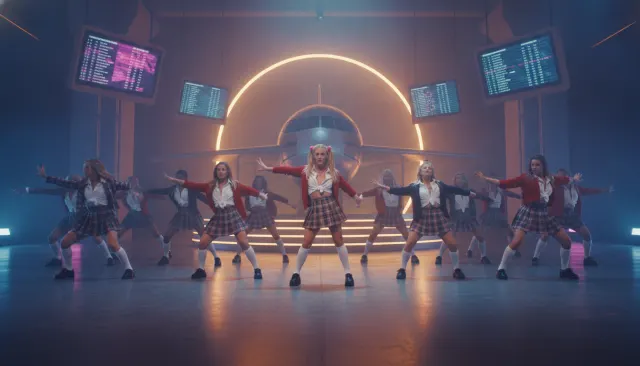
Physical (2020, dir. Tanu Muino)
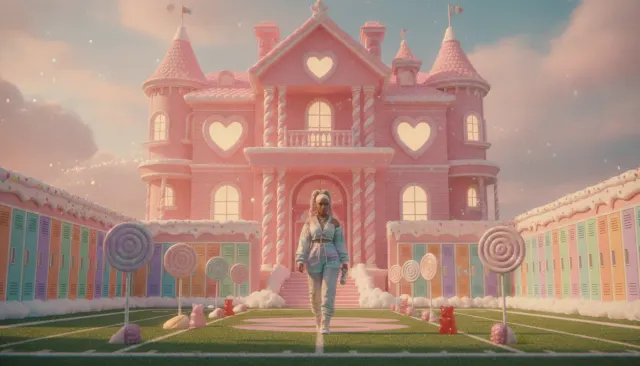
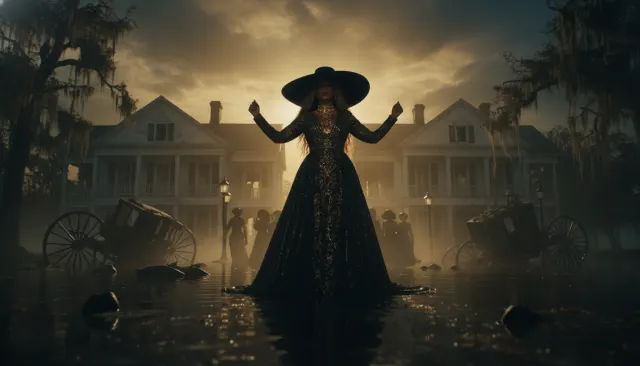
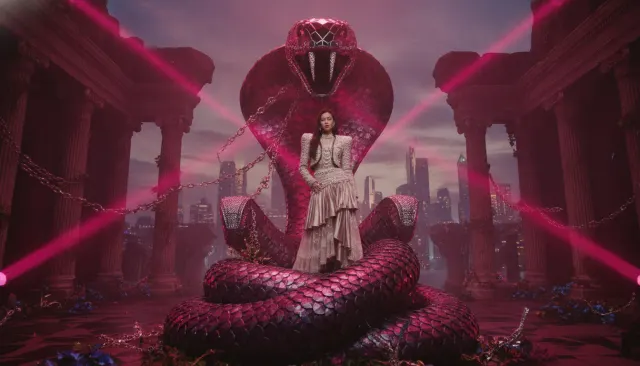
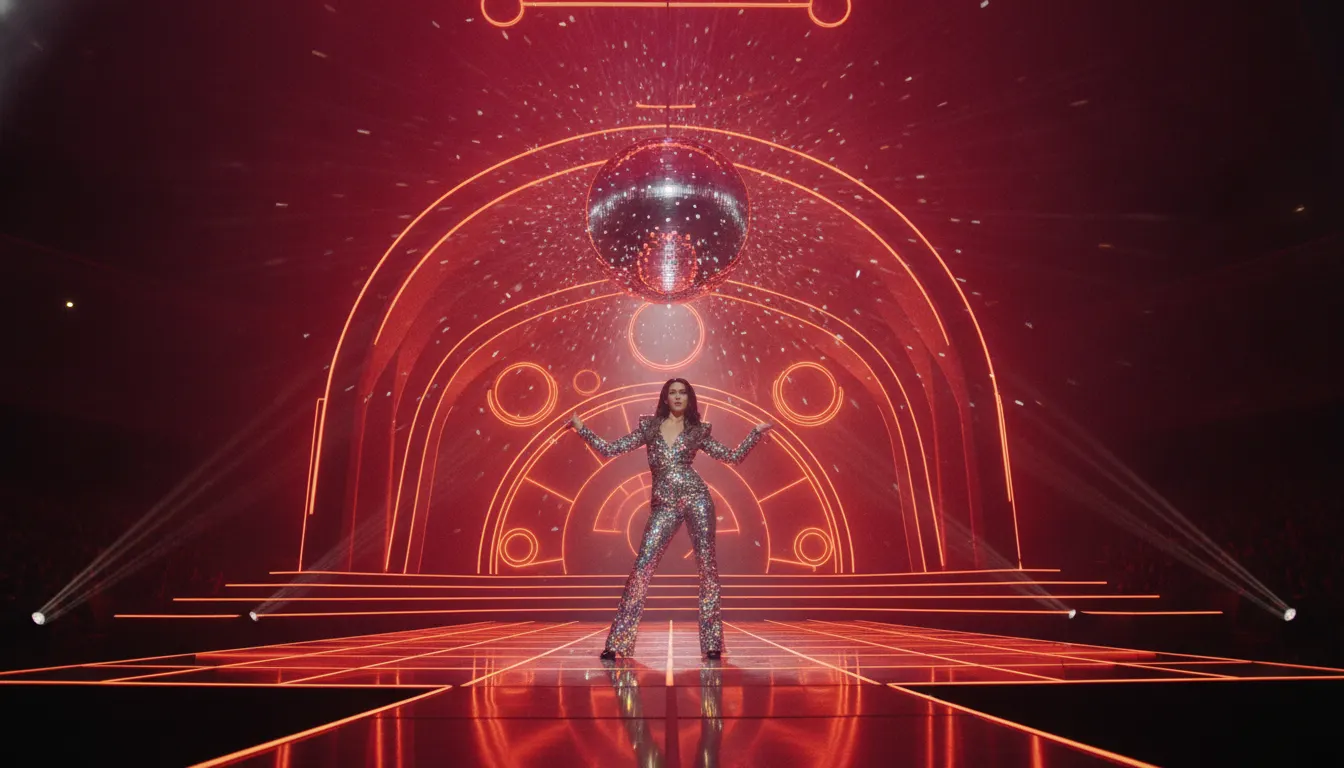
Dua Lipa disco retro stage MV aesthetic. Future Nostalgia and Radical Optimism era, 70s disco-ball stage, magenta-orange neon palette, choreographed retro pop revival.
The moves a human crew would use to get here. Cue applies them for you, and knowing their names is how you ask for a change.
1980s disco and aerobics cultural references executed with contemporary production design quality rather than parody
to-gold highlight color science with high saturation in costume and set colors
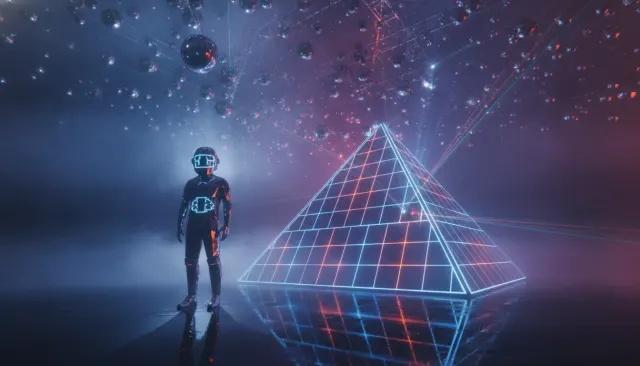
futurist set design: disco balls, sequinned spacesuits, Saturn rings, Studio 54-influenced architecture
accurate choreography (aerobics, disco) performed with genuine physical commitment rather than ironic distance
grain quality applied digitally to give contemporary footage the warmth of 1970s photography
era markers rather than accidents to hide
Dua Lipa's Future Nostalgia (2020) era constitutes the most coherent and commercially successful disco-revival visual project in contemporary pop: every single, video, and live performance from the album period was designed as a unified aesthetic statement drawing from 1970s disco and aerobics culture, early 1980s arena pop, and a contemporary production design sensibility that updated the reference without parody.
Physical (2020, dir. Tanu Muino) was the era-opening statement: a high-saturation 1980s aerobics aesthetic with period-accurate neon unitards, leg warmers, and Olivia Newton-John references, executed with contemporary production design quality and Dua Lipa's deliberate physical commitment to the choreographic sequences. The video works because the reference is genuine rather than ironic: it treats 1980s aerobics culture as a legitimate physical and aesthetic tradition.
Levitating (2020, dir. Warren Fu) went further into retrofuturist space: a Saturn-ringed disco-ball planet, astronauts in sequinned spacesuits, a Studio 54-inspired zero-gravity discotheque. The production design by Aaron Haye created a self-consistent alternate visual universe where disco existed in space.
Don't Start Now (2019, dir. Director X) established the earlier, less camp version: a functional disco with Dua Lipa performing in a crowd rather than commanding a stage, grounded in spatial reality rather than fantasy.
Director X (Julien Christian Lutz) has been Dua Lipa's most frequent collaborator, bringing a warm-lit, architecturally coherent approach that prevents the retro references from tipping into costume-party territory.
Future Nostalgia color grading is: warm amber-to-gold highlights, high saturation in costume and set colors (electric blue, hot pink, chrome orange), and a slightly diffused film-grain quality that signals analog warmth without going full grain. Lens flares and orb lighting are used decoratively. The palette is explicitly 1970s photography color science updated to contemporary brightness and contrast.
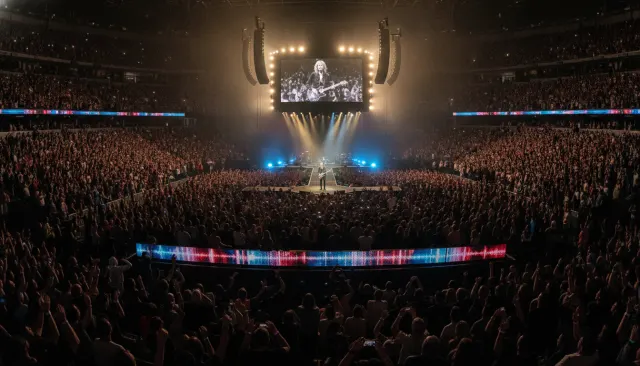
The Future Nostalgia Tour (2022) was a landmark in how the album's visual universe was translated to arena scale: production designer Gary McCann created a stage environment that functioned as a live version of the videos, with the same color palette, the same retrograde-futurist iconography, and costumes by Versace and Mugler that made the concert a continuous visual statement.
Physical (2020, dir. Tanu Muino)
Levitating (2020, dir. Warren Fu)
Don't Start Now (2019, dir. Director X)
Break My Heart (2020, dir. Director X)
Future Nostalgia (2021, dir. Director X)
Love Again (2021, dir. Brendan Walter)
Future Nostalgia Tour (2022, stage design Gary McCann)
Houdini (2023, dir. Tanu Muino)
A Look is not a filter. It is a set of stored decisions the pipeline reads before it makes a single frame, so two videos in the same Look actually match.