Soul
Pixar Animation Studios, dir. Pete Docter + Kemp Powers, 2020 (primary reference)
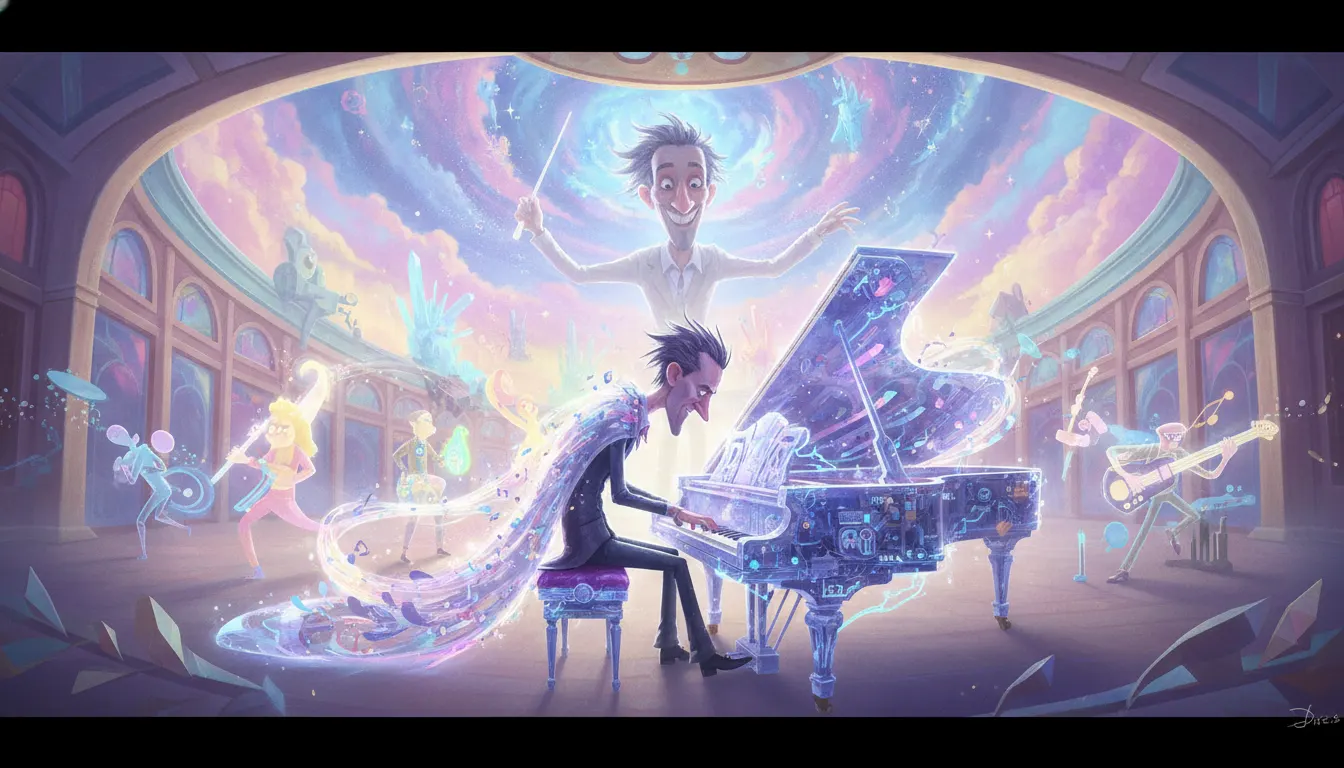
Pixar Soul stylized-human jazz CGI. NYC piano-club caricature human design, abstract Great-Before pastel realm, Trent Reznor electronic and Jon Batiste jazz duality.
The moves a human crew would use to get here. Cue applies them for you, and knowing their names is how you ask for a change.
detailed material realism for New York sequences (fabric thread, grease, asphalt crack)
paper-cut abstract character design for soul realm counselors (the Jerrys)
gold jazz club lighting versus cool pastel blue-lavender soul realm palettes
influenced abstract brushstroke sequences visualizing creative flow states
Pixar's Soul (December 2020), directed by Pete Docter and co-directed by Kemp Powers, is one of the most visually ambitious Pixar productions - not for photorealism but for the range of visual languages it holds simultaneously within a single film. The contrast between ultra-detailed New York City and the abstract, pastel-toned soul realms is the film's central aesthetic proposition.
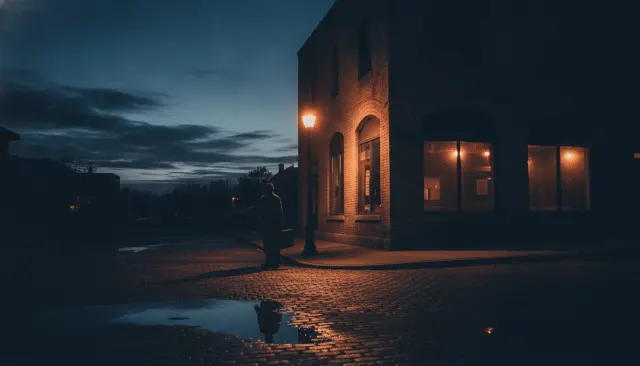
New York City in Soul represents Pixar's most detailed environment rendering at time of release: jazz club velvet seating with fabric thread visible, pizza grease on cardboard boxes catching light, Harlem street asphalt with individual crack detail. The film's opening 20 minutes establish a commitment to material realism that makes the contrast of the soul worlds viscerally effective.
The Great Before - where unborn souls develop personalities - is rendered in the opposite tradition: abstract geometric shapes, soft pastel atmospherics, counselor characters Jerry designed as flat Matisse-paper-cut figures that shift shape dynamically. No photorealistic rendering. No cast shadows. The visual language signals a different order of existence.
Art director Daniel Holland and production designer Steve Pilcher drew heavily on jazz visual culture for the New York sequences: the warm amber of Blue Note Records album covers, the low-key stage lighting of the Village Vanguard, the chipped piano lacquer and worn felt of a working musician's instrument. The color temperature throughout the jazz club sequences is deliberately warm - amber, gold, deep red - contrasting with the cool pastel blues and lavenders of the soul realm.
When Joe Gardner or other characters enter "the Zone" - the state of creative flow - the film briefly shifts to a third visual register: abstract shapes, floating brushstroke planes, and visual fragments that suggest jazz improvisation as a non-objective visual experience. These sequences draw on Wassily Kandinsky's theories about music and abstract form.
Pixar Animation Studios, dir. Pete Docter + Kemp Powers, 2020 (primary reference)
Francis Wolff photography 1950s-1970s (color temperature source)
Pixar, dir. Pete Docter, 2015 (earlier Docter dual-register film: real world vs. emotion world)
Pixar, dir. Lee Unkrich, 2017 (adjacent warm color palette and cultural specificity)
Walt Disney, 1940 (abstract visual music sequences in animation precedent)
DreamWorks, 2022 (similar real-world visual realism with stylized character moments)
A Look is not a filter. It is a set of stored decisions the pipeline reads before it makes a single frame, so two videos in the same Look actually match.