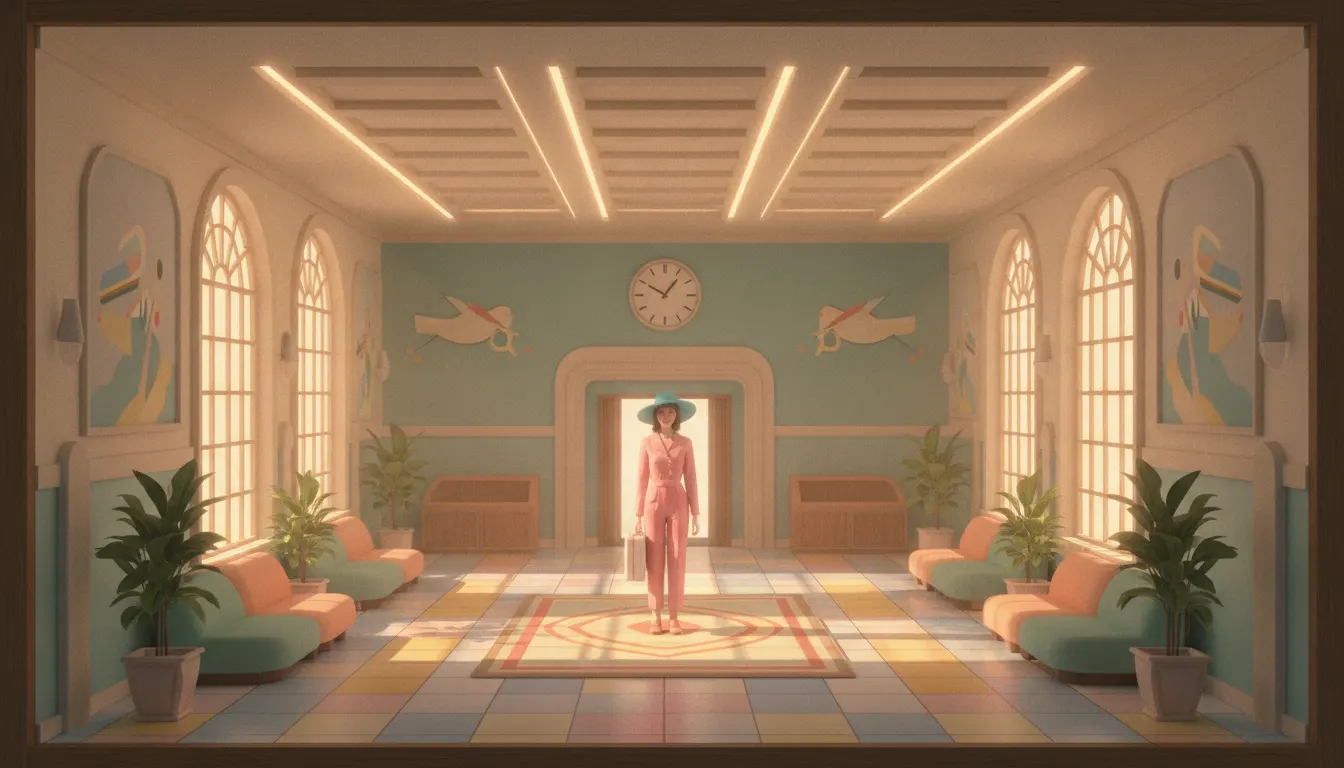
The Royal Tenenbaums
Wes Anderson · 2001
Robert D. Yeoman; Manhattan-browns and deadpan family dysfunction in the planimetric grammar at its most melancholy
Hyper-symmetrical, pastel, dollhouse. Futura overlays, head-on framing, deadpan.
The moves a human crew would use to get here. Cue applies them for you, and knowing their names is how you ask for a change.
Camera placed exactly perpendicular to subject and background, dividing the frame into near-perfect bilateral symmetry with deliberate tableau composition.
Every set, costume, and prop element coordinated to a film-specific desaturated pastel palette, with particular Anderson affinities for dusty teal, sage, and pink.
Paul Renner's 1927 geometric sans-serif used for all on-screen text, title cards, and graphic elements, functioning as a consistent institutional typeface.
Rapid horizontal camera swivel used as a stylized scene transition or character introduction, emphasizing the theatrical, staged nature of the film world.
Camera tracking parallel to subjects as they walk, maintaining constant distance and perpendicular relationship, treating characters as part of a moving stage.
Interior architecture revealed as front-cut dioramas with each room visible as a symmetrical theatrical unit, reinforcing the dollhouse unreality.
Wes Anderson is the most imitated visual auteur in contemporary cinema. His films - Rushmore (1998), The Royal Tenenbaums (2001), The Life Aquatic with Steve Zissou (2004), The Darjeeling Limited (2007), Fantastic Mr. Fox (2009), Moonrise Kingdom (2012), The Grand Budapest Hotel (2014), Isle of Dogs (2018), The French Dispatch (2021), and Asteroid City (2023) - constitute the most internally consistent visual style in American independent cinema, and their grammar has been so thoroughly absorbed that it now functions as a recognizable aesthetic language available to any filmmaker, videographer, or graphic designer.
Anderson's signature compositional mode is the planimetric shot: the camera is placed directly perpendicular to the subjects and background, dividing the frame into left and right halves of near-perfect symmetry. This is not accidental or casual symmetry - characters, objects, architecture, and visual elements are positioned with the deliberateness of a stage director arranging a tableau. Anderson and his long-time cinematographer Robert D. Yeoman (who shot all films from Bottle Rocket through The Royal Tenenbaums and later work) developed this as a consistent visual commitment: the camera does not drift, tilt, or improvise. It watches from a fixed plane.
This planimetric approach is reinforced by Anderson's preference for flat, head-on framing of doorways, hallways, corridors, and interiors. Architecture in Wes Anderson films looks like cross-sectioned dollhouses, their interiors visible from directly in front, every room readable as a distinct theatrical unit.
Anderson's color palette is immediately recognizable: desaturated pastels in candy-hued registers, with particular affinity for dusty yellows, soft teals, muted pinks, and sage greens. Production designer Adam Stockhausen (The Grand Budapest Hotel, 2014; Isle of Dogs, 2018) and the late Santo Loquasto (The Royal Tenenbaums, 2001) designed sets where every surface, prop, and costume element is part of a coordinated palette board. Individual films have their own dominant palette: The Grand Budapest Hotel works in Grand Hotel pinks and purples with Zubrowka alpine snow; The Life Aquatic in the deep blue-greens of ocean documentary; Moonrise Kingdom in warm amber and moss New England.
Futura - Paul Renner's 1927 geometric sans-serif - is the Anderson typeface. Title cards, on-screen text, book covers, and graphic elements throughout Anderson's films use Futura Bold Condensed or Futura Medium in a manner so consistent that the font has become inseparable from his brand. The typography is never decorative: it appears when information needs to be delivered with clean, legible authority.
The Grand Budapest Hotel, shot by Robert D. Yeoman, represents the most fully developed expression of Anderson's visual grammar. Shot in three different aspect ratios (1.33:1 for 1930s sequences, 1.78:1 for 1985 sequences, and 2.39:1 for the framing story), it also demonstrates Anderson's precise historical layering. The film won four Academy Awards, including Costume Design and Production Design.
Anderson's camera moves are as formal as his compositions. The whip pan - a rapid horizontal camera swivel used as a transition between scenes or to introduce characters - is among his most-imitated techniques. Lateral dollies that track characters walking parallel to the camera plane, head-on push-ins toward subjects standing in doorways, and top-down overhead shots that treat characters as figurines in a diorama complete his camera vocabulary.
Wes Anderson · 2001
Robert D. Yeoman; Manhattan-browns and deadpan family dysfunction in the planimetric grammar at its most melancholy
Wes Anderson · 2012
New England amber and moss palette; the symmetrical island scout grammar at its most warmly romantic
Wes Anderson · 2014
Three aspect ratios and peak production design; four Academy Awards including Costume and Production Design
Wes Anderson · 2018
Stop-motion extending the grammar to physical puppet construction; Atari's garbage island in muted grays and ambers
Wes Anderson · 2023
1950s Southwestern desert palette in widescreen; the grammar at its most cinematically expanded
Wes Anderson · 2021
Black-and-white and color segments; French magazine aesthetic channeled through the Anderson visual system
Wes Anderson · 2009
Stop-motion establishing that the Anderson grammar translates to animated sets with equal precision
A Look is not a filter. It is a set of stored decisions the pipeline reads before it makes a single frame, so two videos in the same Look actually match.
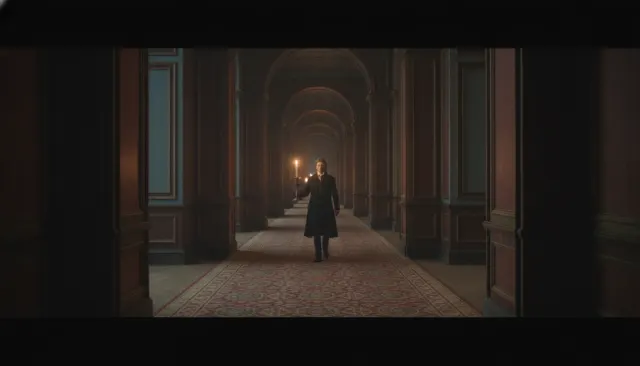 Director AestheticKubrick Symmetrical
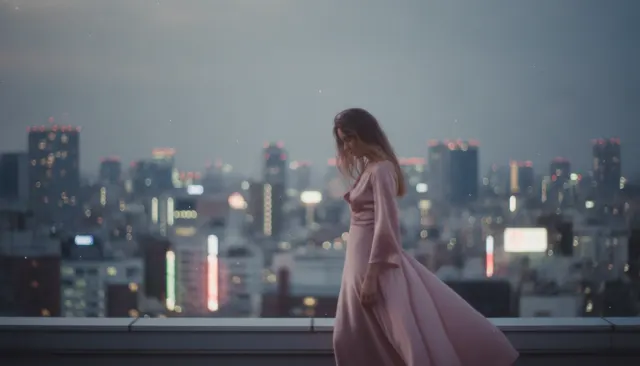 Director Aesthetic ModernSofia Coppola Pastel Melancholy
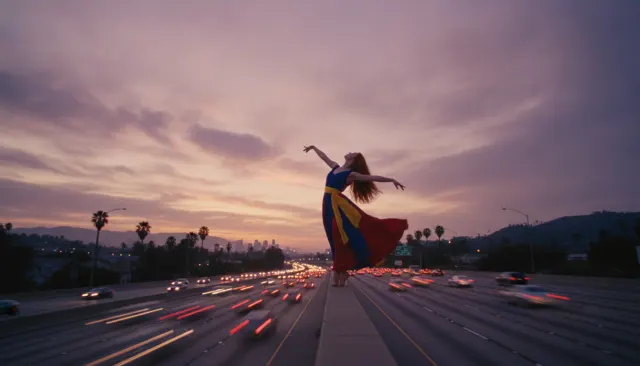 Cinematographer AcclaimedLinus Sandgren La La Land Pastel
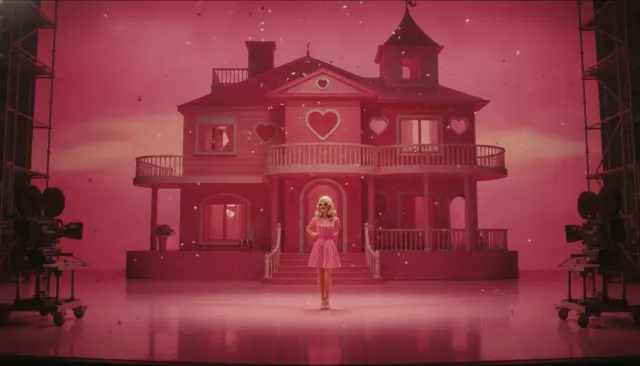 Director Aesthetic ModernGreta Gerwig Barbie Pink Painterly
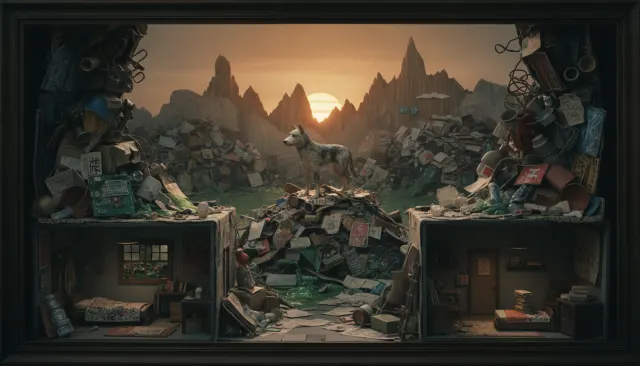 Paper Craft Stop MotionWes Anderson Isle of Dogs Paper Set
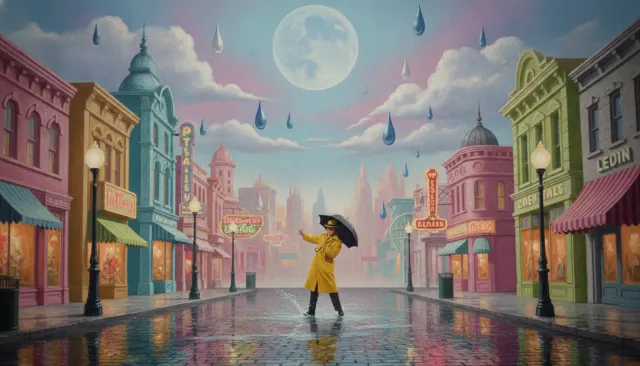 Cinema EraTechnicolor 1950s Musical