Richard Avedon
1985
*In the American West* , landmark editorial portrait series for rolling tour and book
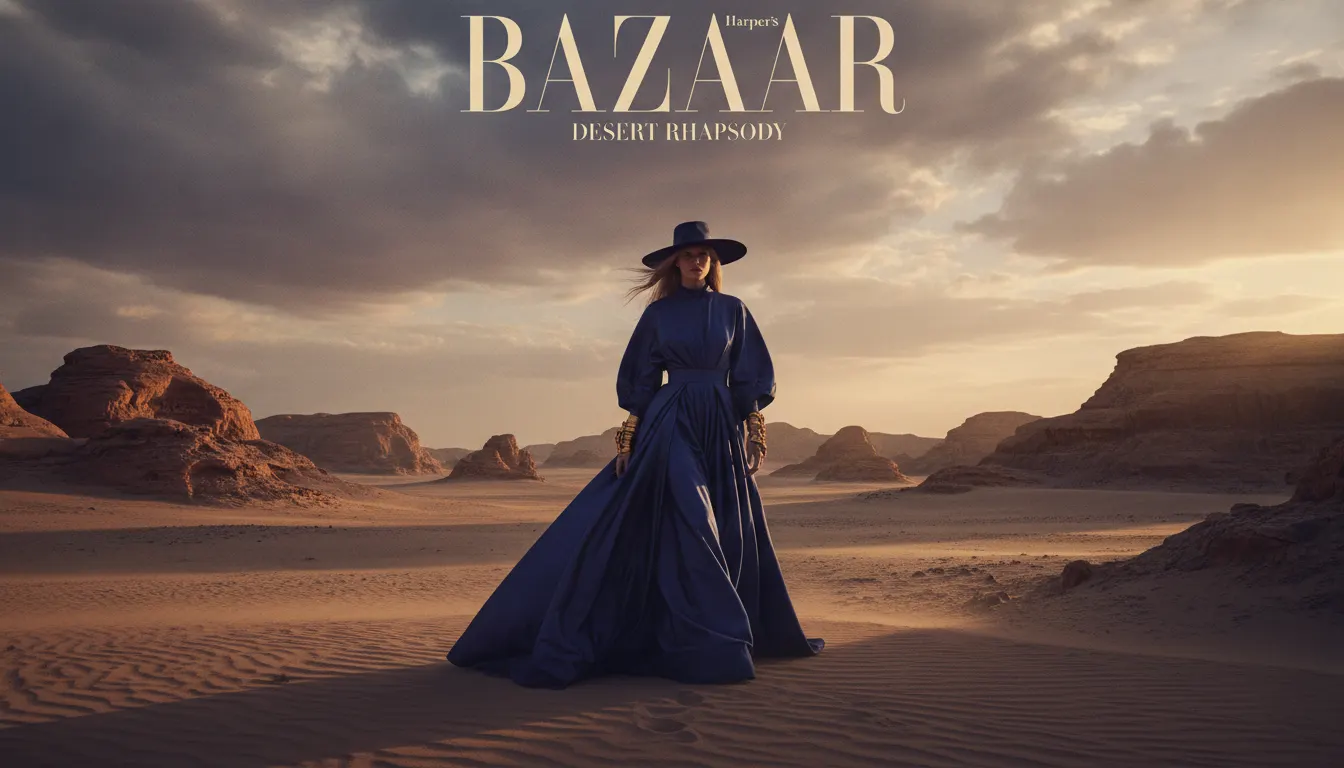
Fashion-shoot editorial. Serif headers, abundant white space, considered styling.
The moves a human crew would use to get here. Cue applies them for you, and knowing their names is how you ask for a change.
directed framing: images composed with layout in mind (bleed edges, text-safe zones, gutter awareness)
processing with a filmic quality: controlled grain, natural highlights, retained skin texture
Editorial photography is photography made in service of a story - an article, a feature, a cultural narrative - rather than a product or brand. Unlike commercial photography, which answers to a client's marketing brief, editorial photography answers to an editor and art director whose goal is to illuminate, provoke, or contextualize a written or digital story. The distinction has commercial implications (editorial shoots are typically lower-budget but higher in creative latitude) and aesthetic ones: editorial images are expected to communicate complexity, ambiguity, and point of view.
The visual grammar of editorial photography was largely established between the 1930s and 1960s by a handful of influential art directors. Vogue under art director Alexander Liberman (1943-1994) codified fashion editorial; Life magazine (1936-1972) defined photojournalistic long-form storytelling; Harper's Bazaar under Alexey Brodovitch (1934-1958) introduced Modernist layout experimentation that freed photographers from symmetry. Richard Avedon, Irving Penn, and W. Eugene Smith did their defining editorial work within these institutional frameworks.
Editorial photography encompasses fashion editorial (model-led, heavily styled, often concept-driven), portrait editorial (the subject interview image, environmental or studio), documentary editorial (photojournalism integrated into long-form features), and conceptual editorial (illustrative images for essays on abstract topics). Each genre has distinct conventions around lighting, composition, and subject relationship.
Editorial photography is almost always collaborative. The photographer works from a brief provided by a photo editor or creative director that defines the story angle, the page count, and the art direction concept. Layout considerations - image proportions, text overlay zones, opening spread vs. interior - shape the photographer's framing decisions in ways commercial photographers rarely face.
Digital publishing has fundamentally changed editorial photography economics. Magazines that once funded two-week international shoots now assign photographers to single-day sessions with smaller production budgets. The rise of digital-first publications has also changed image rights structures: editorial usage rights (typically one-time print and digital rights) versus commercial usage rights (broader licensing) directly affect photographer income. Despite these pressures, editorial photography retains its cultural prestige - images from National Geographic, The New Yorker, and Time shape public perception in ways that commercial photography rarely does.
1985
*In the American West* , landmark editorial portrait series for rolling tour and book
'Country Doctor' (*Life*, 1948), defining documentary editorial essay
still life and portrait covers for *Vogue* (1943-2009)
Rolling Stone covers and editorial portraiture (1970-present)
*Harper's Bazaar* art direction (1934-1958), revolutionary layout experiments
*Vogue* fashion editorial redefining naturalistic style (1988-2019)
A Look is not a filter. It is a set of stored decisions the pipeline reads before it makes a single frame, so two videos in the same Look actually match.
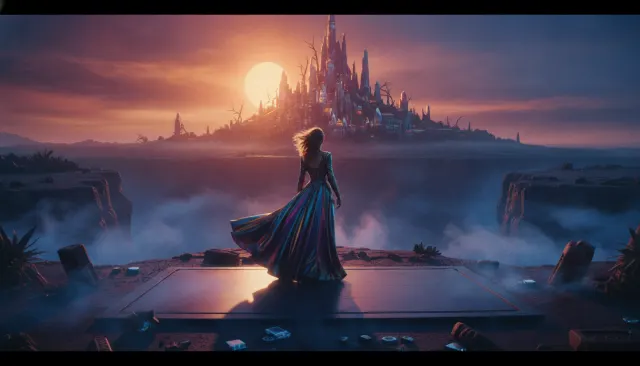 Fashion EditorialAnnie Leibovitz Celebrity Portrait
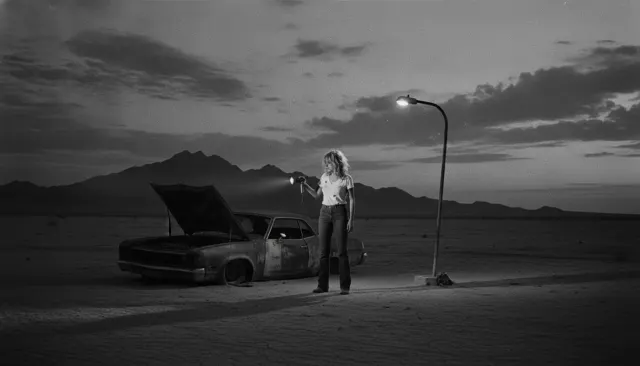 Photographers Fine ArtCindy Sherman Conceptual Portraiture
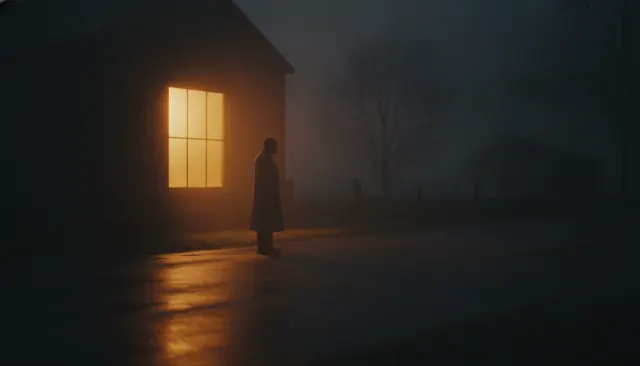 CinematographerBradford Young Shadows
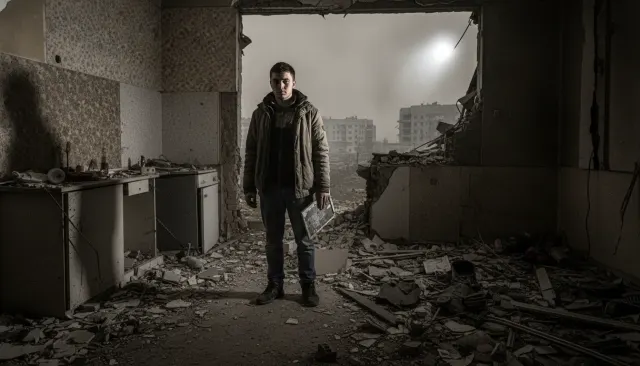 Genres ExtendedConflict Zone Photojournalism Color
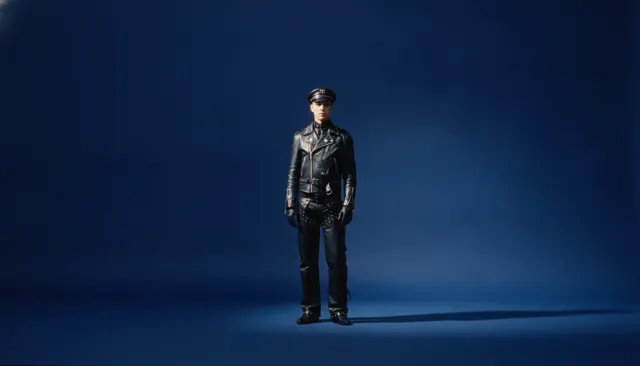 Photographers Fine ArtCatherine Opie Portrait Formal
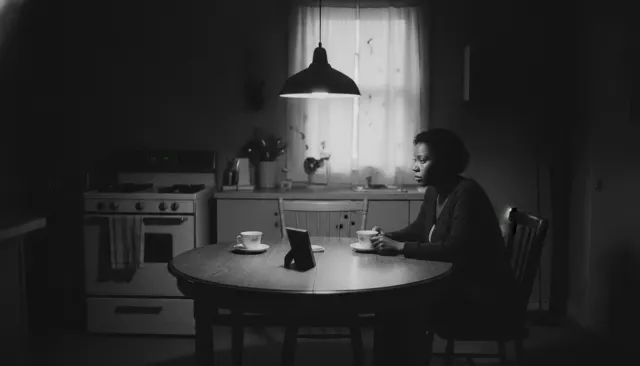 Photographers Color ModernCarrie Mae Weems Narrative BW